How to Choose Between a Dog Stroller and Dog Carrier
Selecting the right pet travel gear is crucial for your dog's comfort and safety. Whether you're considering a dog stroller for leisurely walks or a dog carrier for trips to the vet, our guide will help you understand the key features and materials to look for.
Key Considerations for Dog Strollers
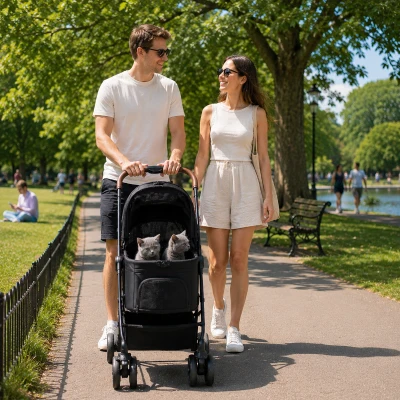
When choosing a dog stroller, think about your dog's size, your intended use (jogging vs. casual walks), and the typical terrain.
-
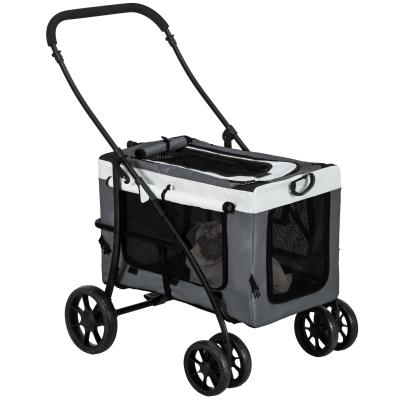
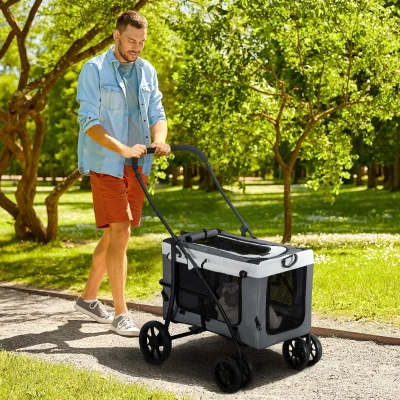
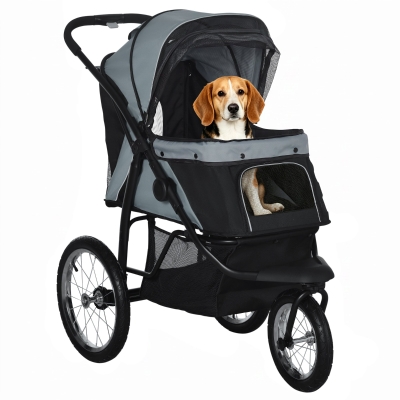
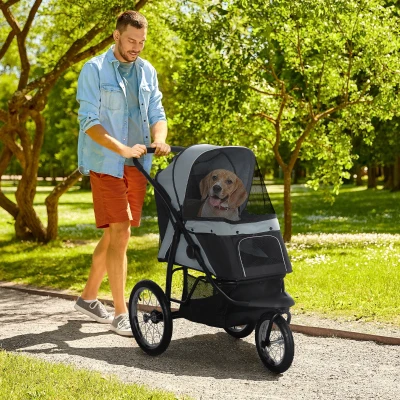
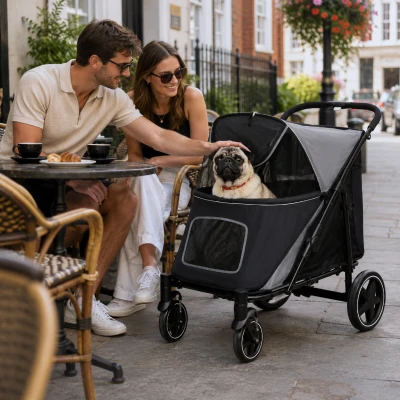
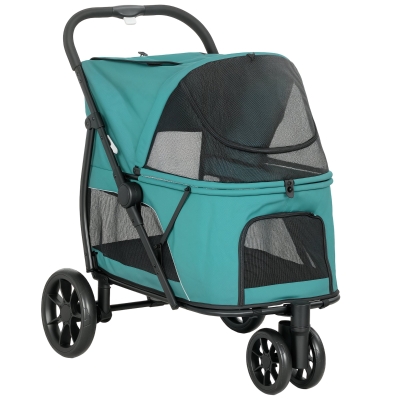
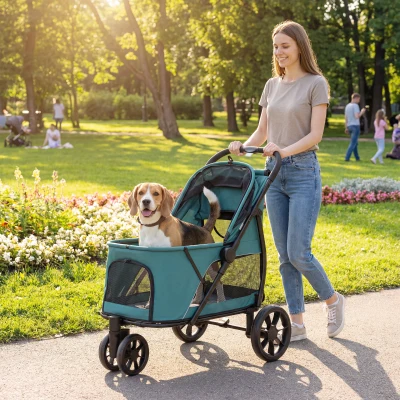
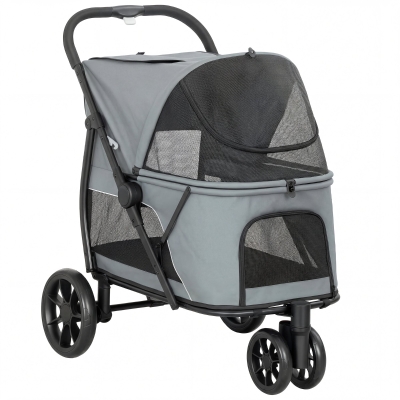
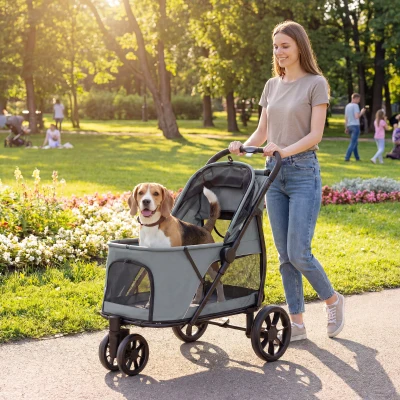
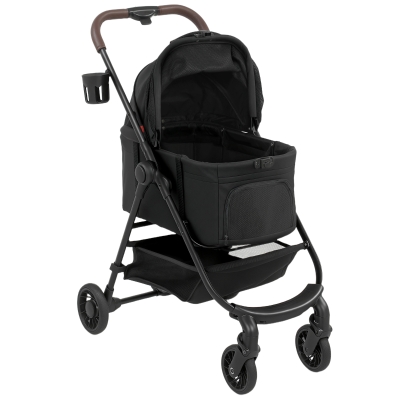
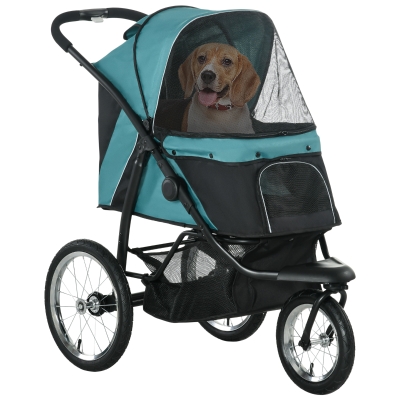
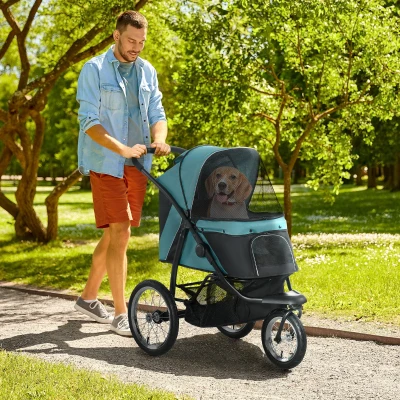
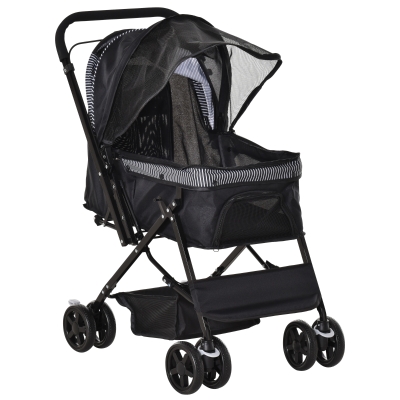
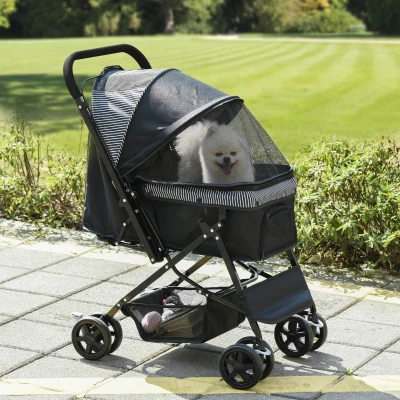
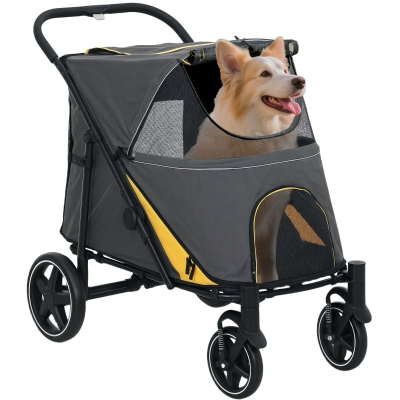
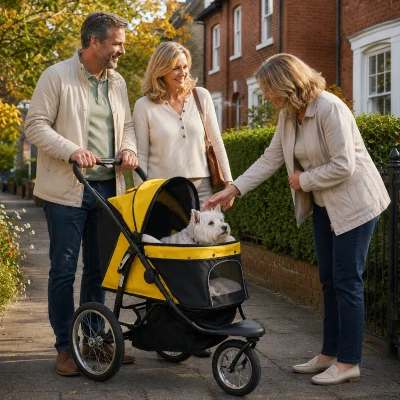
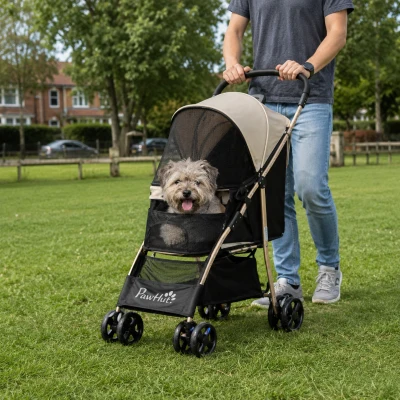
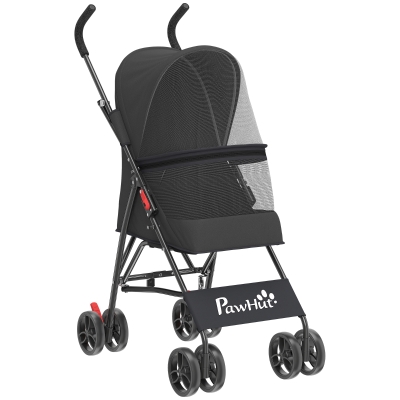
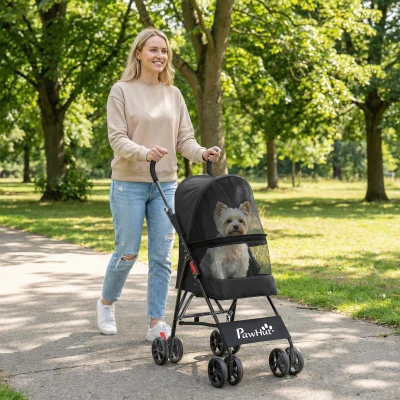
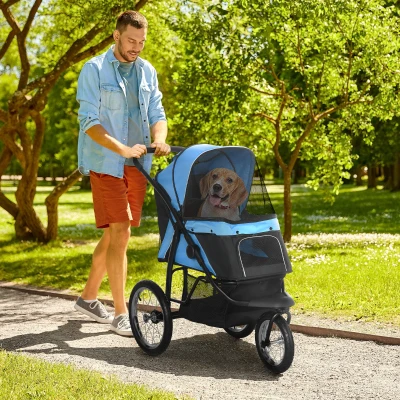
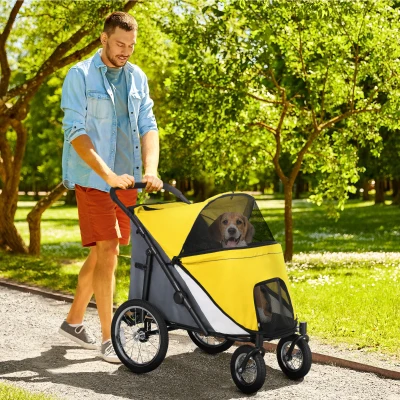
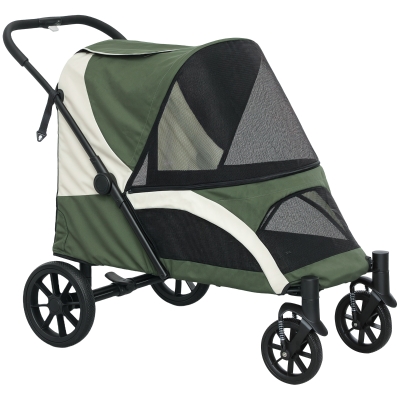
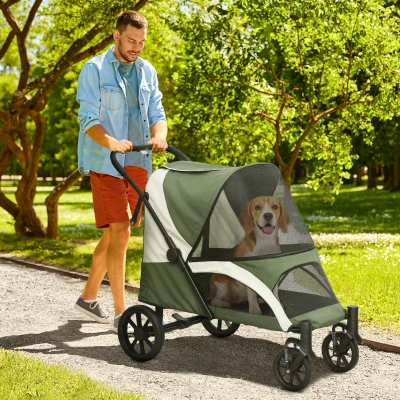
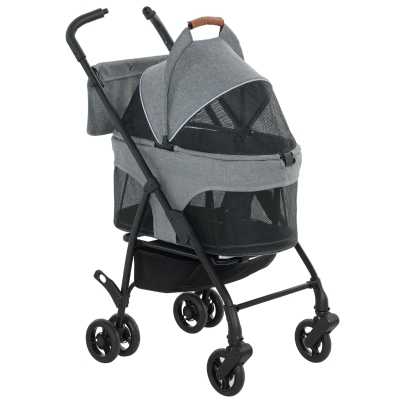
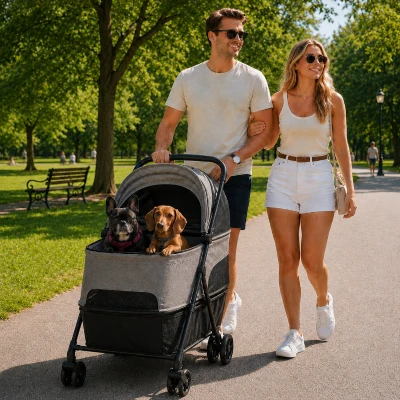
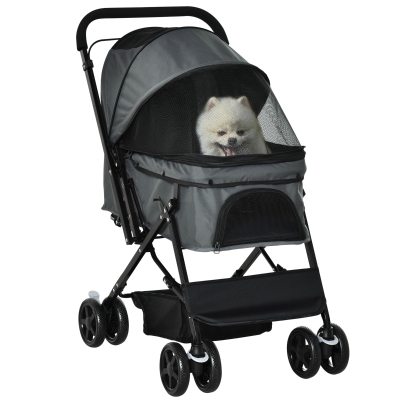
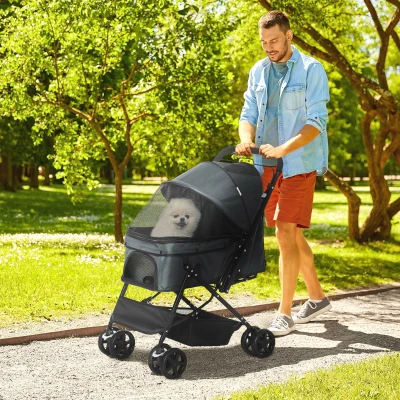
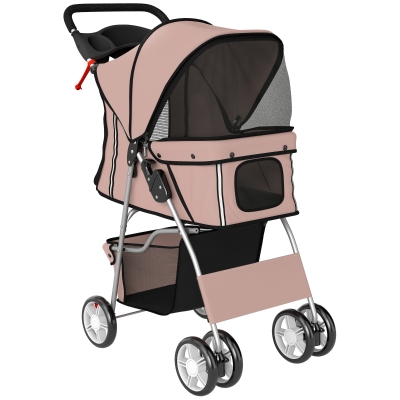
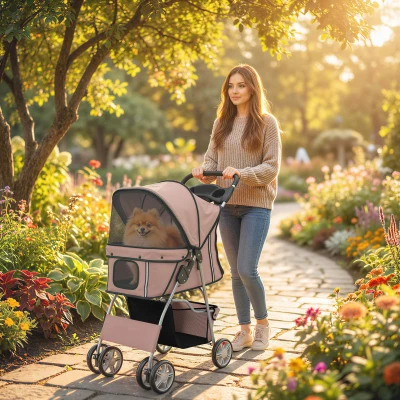
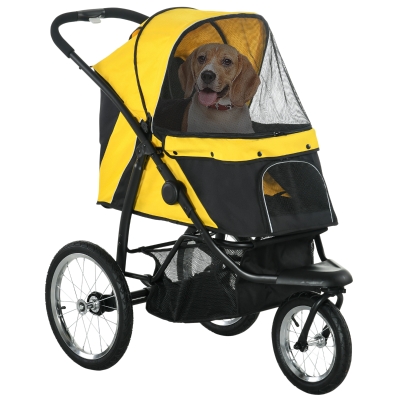
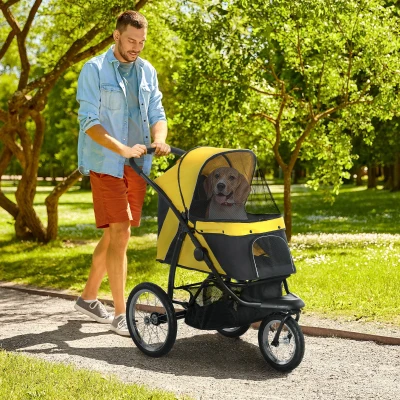
Wheel Configuration (3 vs. 4 Wheels): A primary decision point. Three-wheeled models, like the PawHut Foldable Pet Stroller for Medium Dogs, offer greater maneuverability and a sportier feel, often preferred for jogging. Four-wheeled options, such as the PawHut Folding Pet Stroller for Large Dogs, provide superior stability and a larger cabin, ideal for larger pets or uneven ground.
-
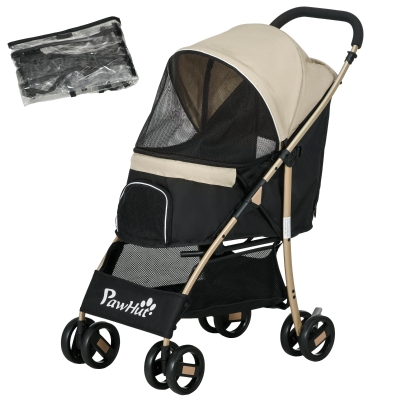
Material & Construction: Look for durable, lightweight materials. Steel and alloy frames offer a sturdy, long-lasting build, while the compartment is often made from breathable oxford polyester or polyester with mesh panels for ventilation. A foldable design is essential for storage and transport.
-
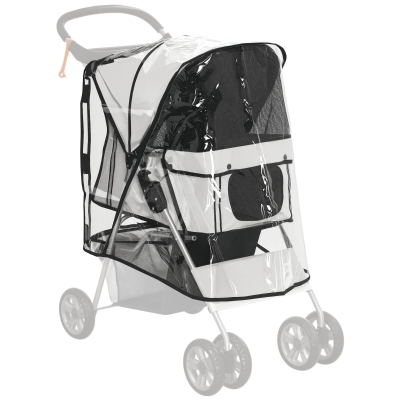
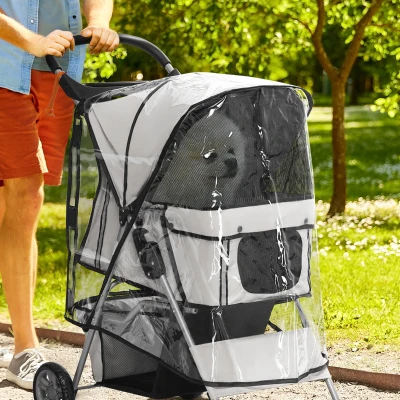
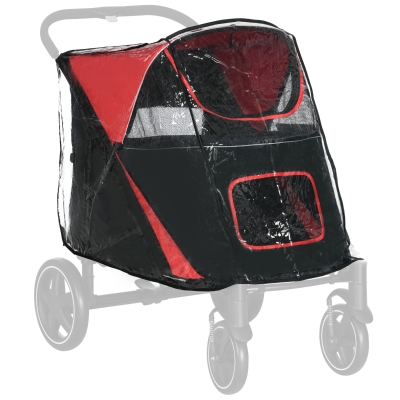
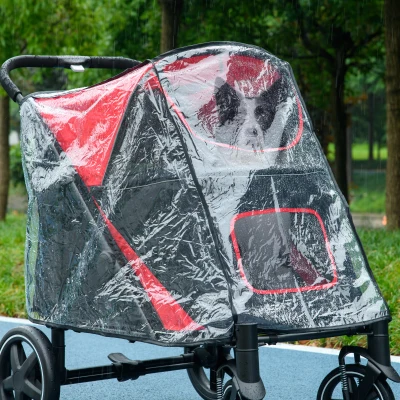
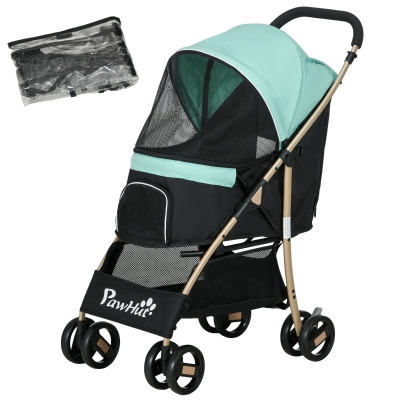
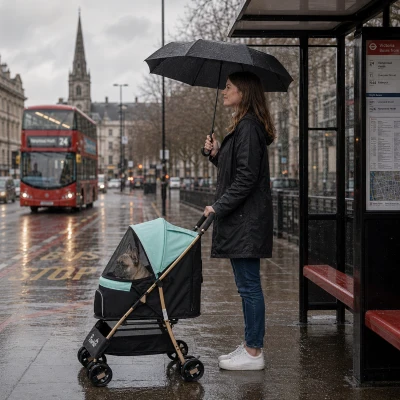
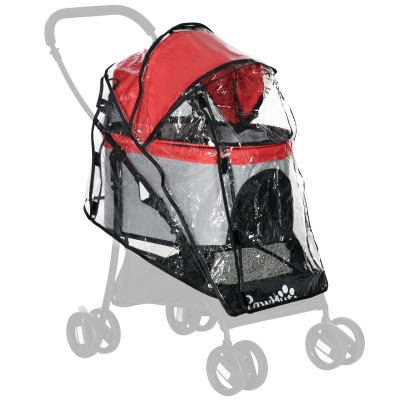
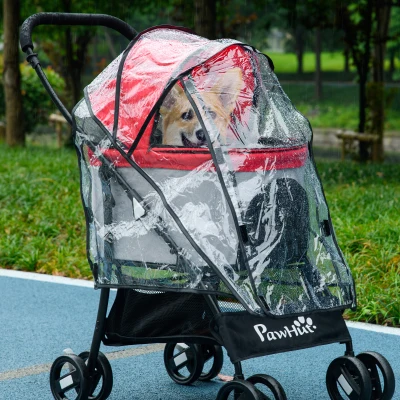
Essential Features: A rain cover, like the PawHut Dog Pram Rain Cover, is invaluable for British weather. Safety leashes inside the cabin, storage baskets, and lockable brakes are also important for a secure and convenient outing.
Choosing the Right Dog Carrier
Dog carriers come in various styles for different modes of transport, from car seats to airline-approved travel bags.
-
Type of Carrier:
-
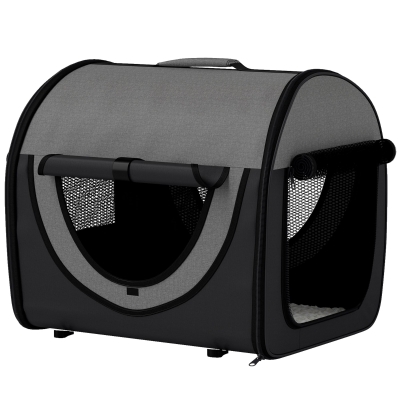
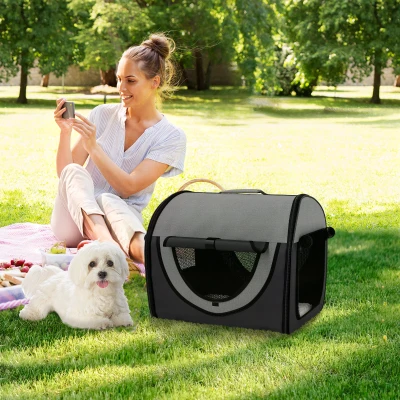
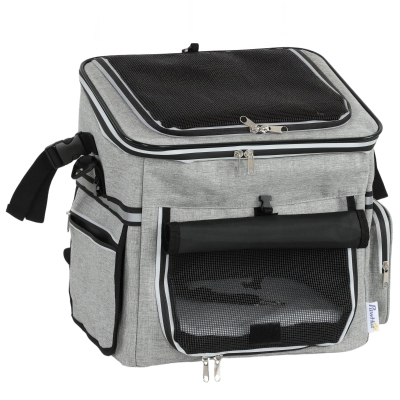
Soft-Sided Carriers: Made from oxford fabric or polyester, they are lightweight, foldable, and cozy. The PawHut Soft Pet Carrier Bag is a perfect example, ideal for short trips or as an in-cabin travel bag.
-
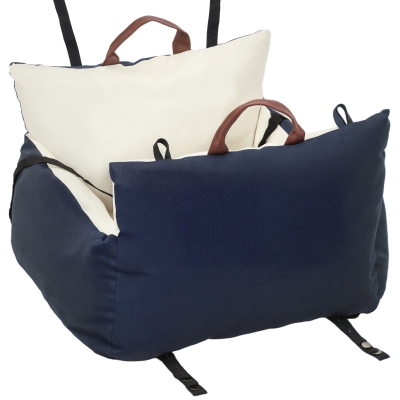
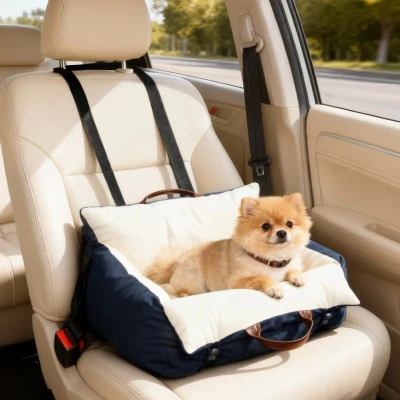
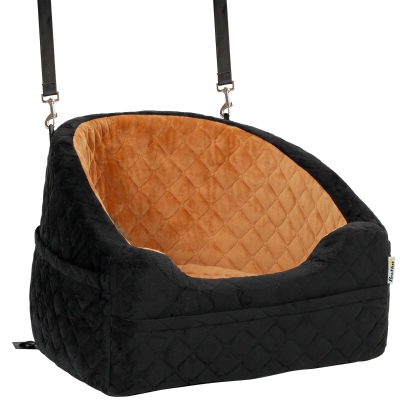
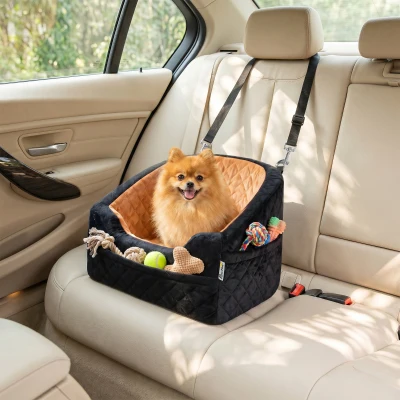
Car Seats/Beds: Designed for vehicle safety, these often feature PVC or water-resistant bases and built-in safety straps, like the PawHut Dog Car Seat.
-
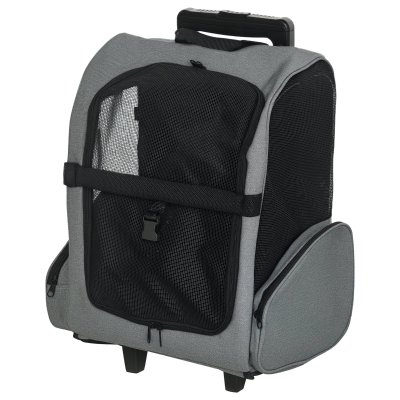
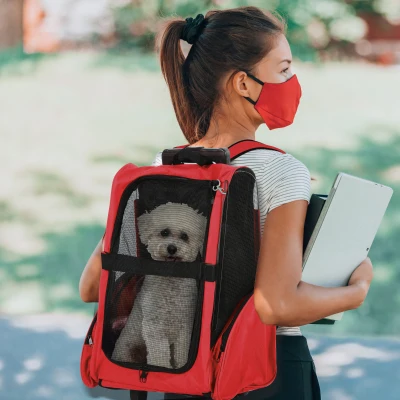
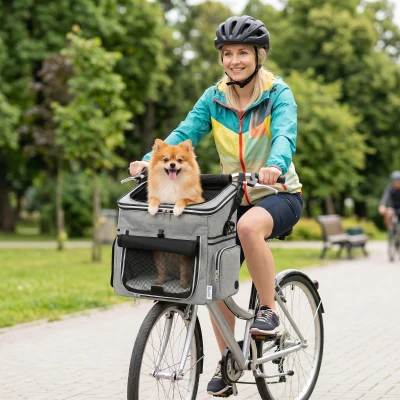
Backpack Carriers: Offer hands-free convenience, with models like the PawHut Pet Travel Backpack Carrier even including a trolley.
-
Size and Fit: The carrier should be large enough for your dog to stand up, turn around, and lie down comfortably. An undersized carrier can cause stress and overheating.
-
Material and Ventilation: Look for durable, easy-to-clean materials and ample mesh panels. A removable, washable cushion or mat, as seen in the PawHut Foldable Pet Carrier with Cushion, adds comfort.
Comparison: Stroller vs. Carrier Use Cases
Use the table below to match the product type to your primary needs and your dog's profile.
Explore our full range of dog strollers and carriers from the trusted brand PawHut, many of which are included in our ongoing Winter Sale with free UK mainland delivery on most items.
FAQs
1. What to look for when buying a dog stroller?
Prioritise your dog's weight and size to choose a stroller with adequate interior space. Look for a sturdy frame material like steel or alloy, a foldable design for storage, and features that match your use—such as larger, air-filled tyres for jogging or a rain cover for all-weather walks. Ensure it has interior safety tethers.
2. Which is better, a 3 wheel or 4 wheel dog stroller?
It depends on your needs. 3-wheel strollers are more maneuverable and agile, better suited for jogging or brisk walks on paved paths. 4-wheel strollers offer greater stability and balance, which is beneficial for larger dogs, uneven ground, or if you need a more robust, wagon-like feel.
3. How to know if a dog carrier is too small?
A carrier is too small if your dog cannot stand up without its head touching the top, turn around completely in a full circle, or lie down in a natural, stretched-out position. Signs of discomfort during use, like constant shifting or panting, also indicate poor fit. Always check the product's internal dimensions against your dog's measurements.