


Min
Hamster Hutches & Cages









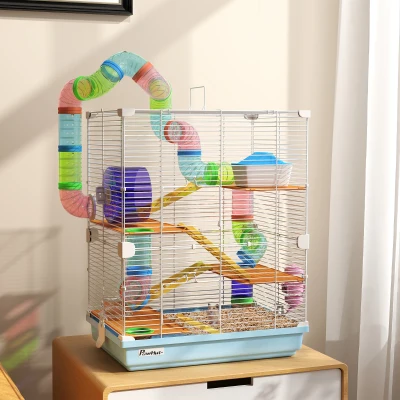
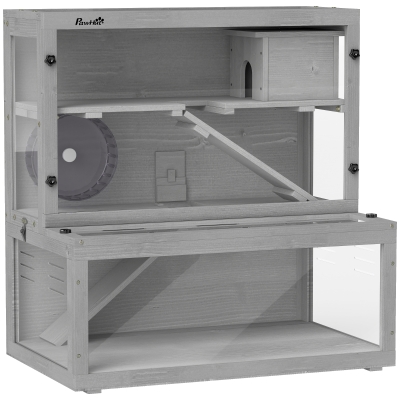
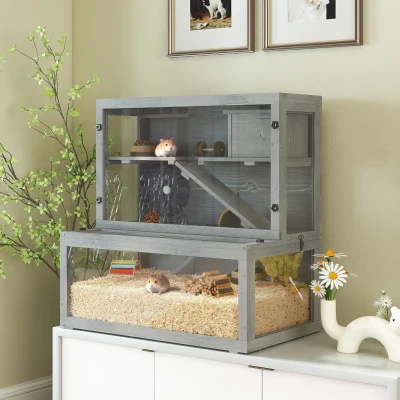


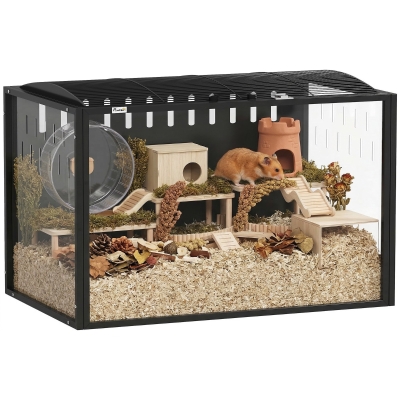







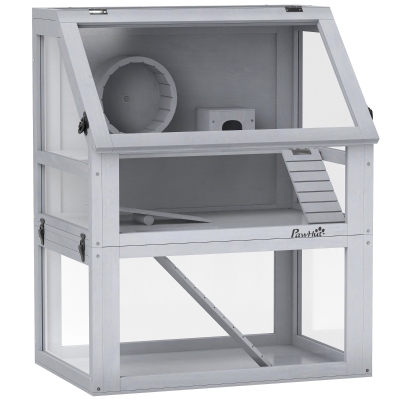
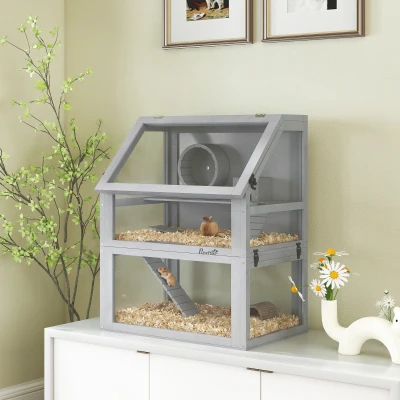


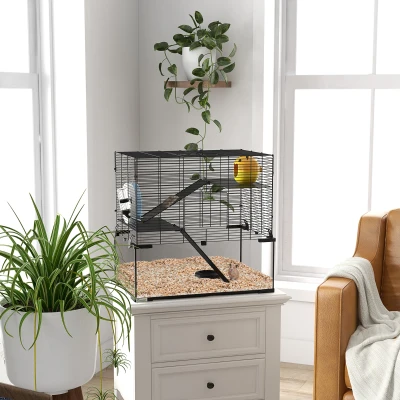

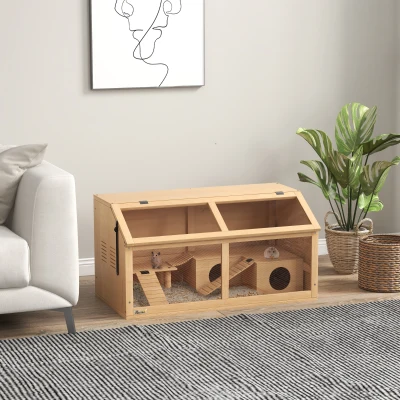

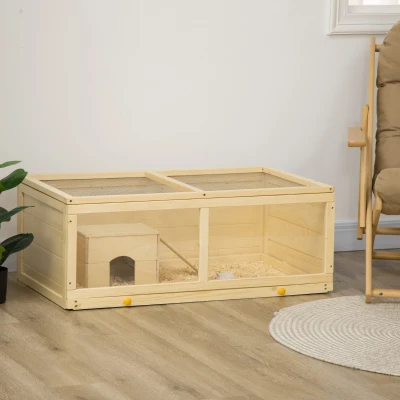



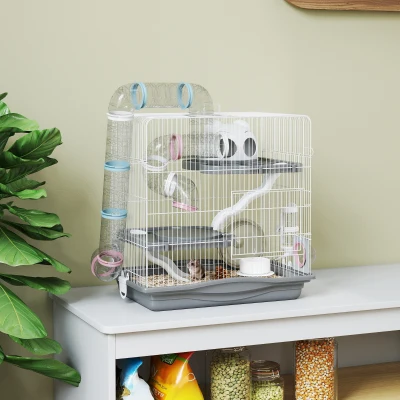
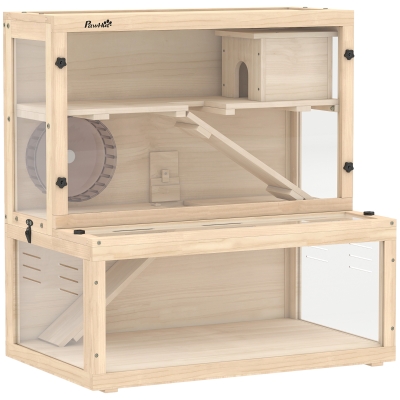
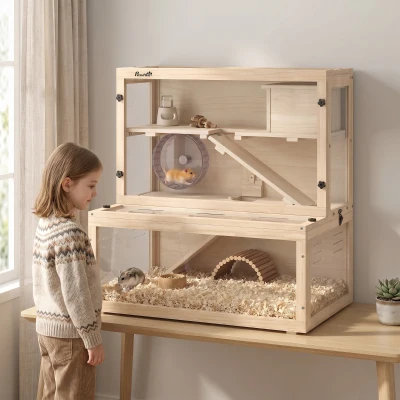
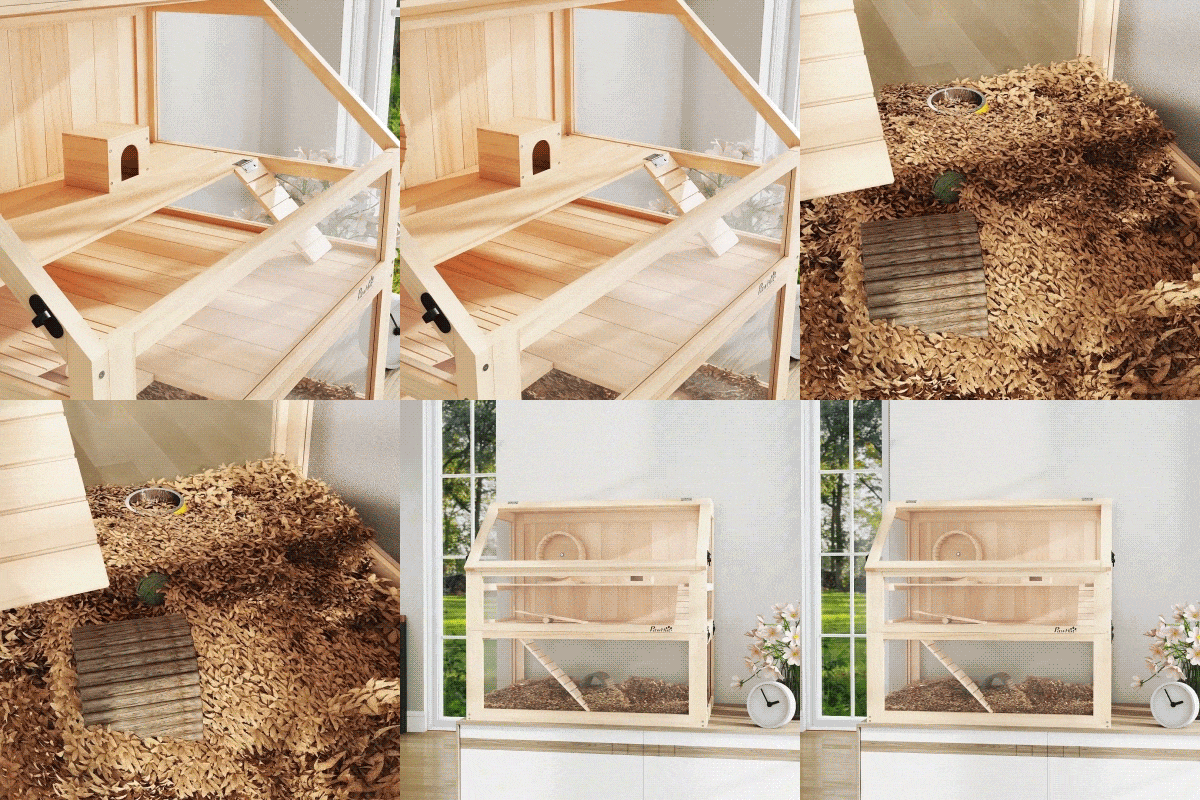
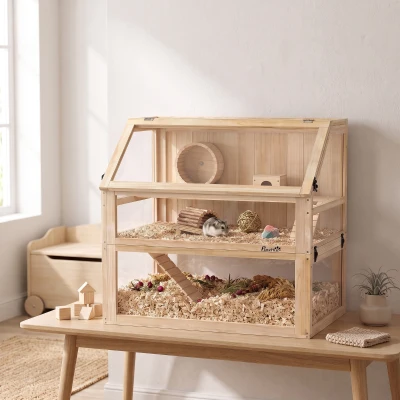
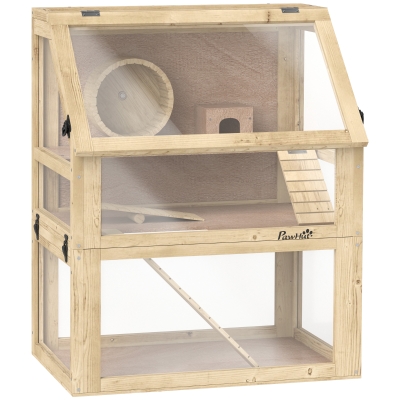
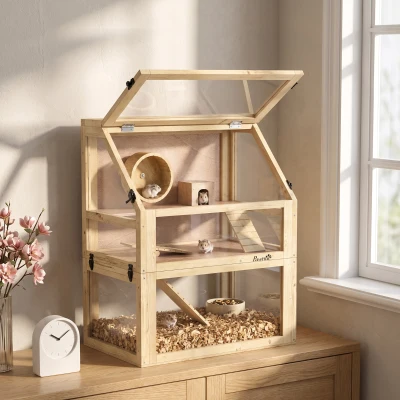







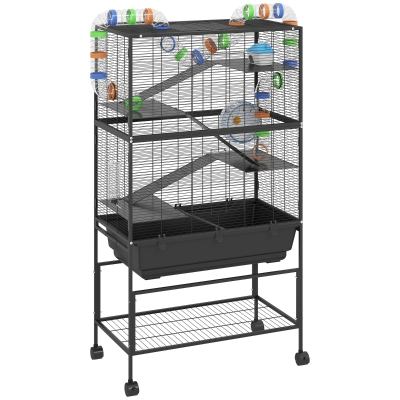
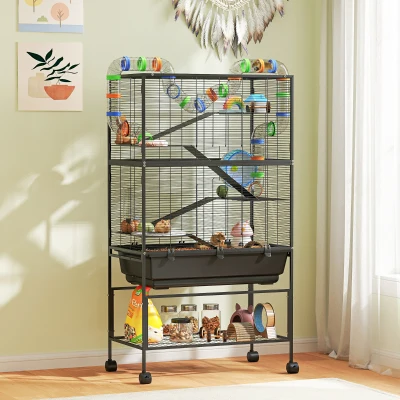


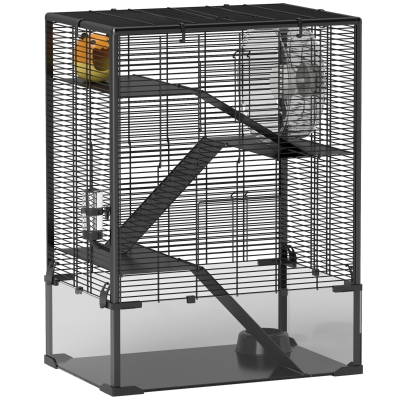
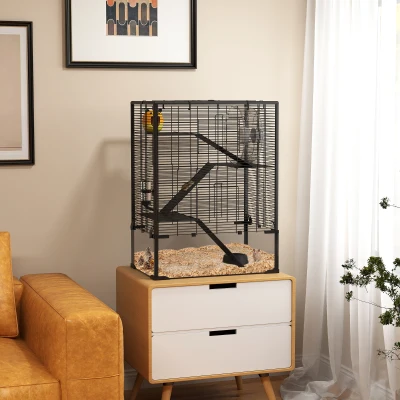
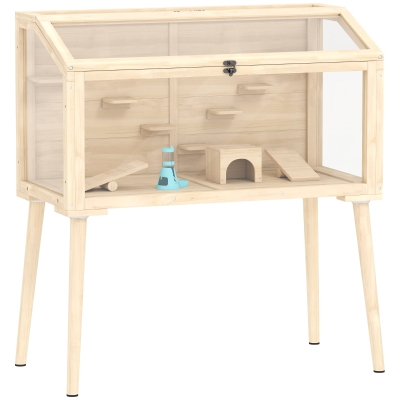
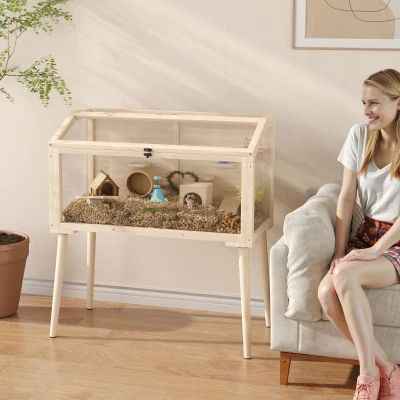



Hamster Cages and Hutches – Creating the Perfect Home for Your Small Pet
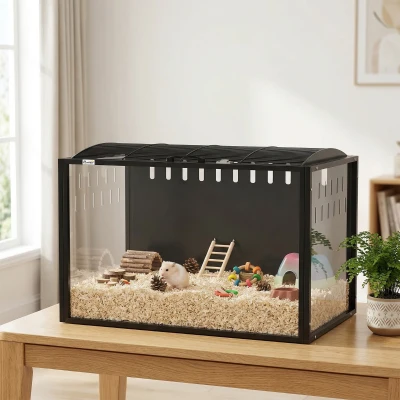
Choosing the right hamster cage or hutch is one of the most important decisions you will make as a small pet owner. A well-designed habitat provides your hamster with space to explore, exercise, and rest, while also keeping them safe and secure. Whether you have a Syrian hamster, a dwarf hamster, or gerbils, the right cage makes all the difference to their health and happiness. With a wide range of options available, from multi-tier plastic habitats to spacious wooden hutches, finding the perfect hamster cage for your home has never been easier. This guide will help you understand the key features to look for and choose the ideal habitat for your furry friend.
1. Why the Right Hamster Cage Matters
A hamster cage is more than just a containment unit—it is your pet's entire world. Hamsters are active, curious creatures that need plenty of space to run, climb, burrow, and play. A cage that is too small can lead to stress, obesity, and behavioural issues. A well-chosen hamster hutch provides room for essential activities, including exercise, foraging, and nesting. It should also be easy to clean and maintain, ensuring a hygienic environment for your pet. Investing in a quality hamster cage is one of the best things you can do for your pet's wellbeing. Our small animal cages and habitats collection includes a variety of options to suit different species and living spaces.
2. Key Factors to Consider When Choosing a Hamster Hutch
When shopping for a hamster cage or hutch, several factors should guide your decision. Size is the most critical consideration. Syrian hamsters, for example, require significantly more space than dwarf hamsters. A general rule is that the cage should provide at least 80 x 50 cm of floor space for a Syrian hamster, with multiple levels adding valuable vertical space. Bar spacing is also important—spacing that is too wide can allow small hamsters to escape, while spacing that is too narrow may be uncomfortable. Material matters: plastic habitats with tubes and tunnels are lightweight and easy to clean, while wooden hutches offer a more natural aesthetic and better insulation. Accessibility is another key feature—look for cages with large doors, removable trays, and easy-to-reach platforms for convenient cleaning and feeding.
3. Comparing Hamster Cage Types
Hamster cages and hutches come in several configurations, each suited to different species and owner preferences. Here is a comparison of the main types available.
| Cage Type | Key Features | Best For | Typical Dimensions (L x W x H) |
|---|---|---|---|
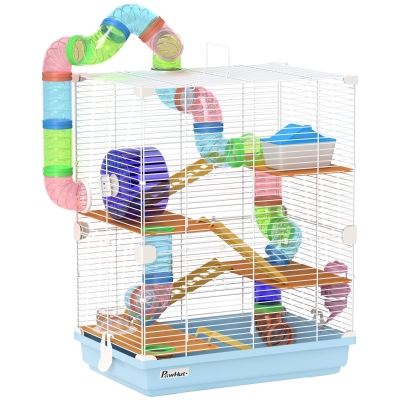
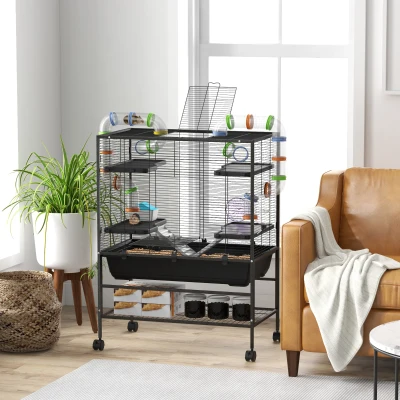
| Multi-Tier Plastic Habitat | Tunnels, tubes, exercise wheels, lightweight, easy to clean | Dwarf hamsters, gerbils, interactive play | 40–60 x 30–50 x 40–65 cm |
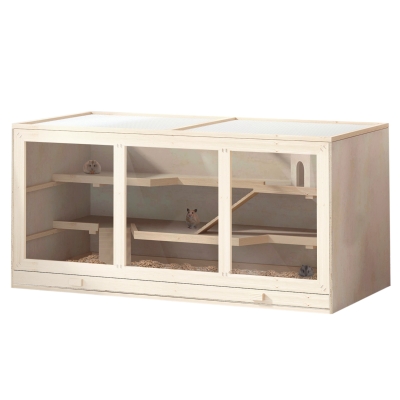
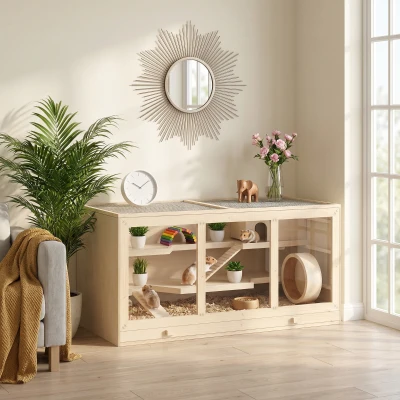
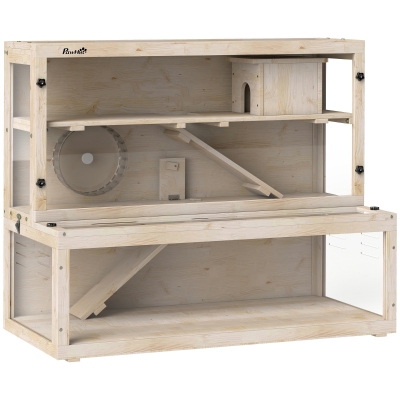
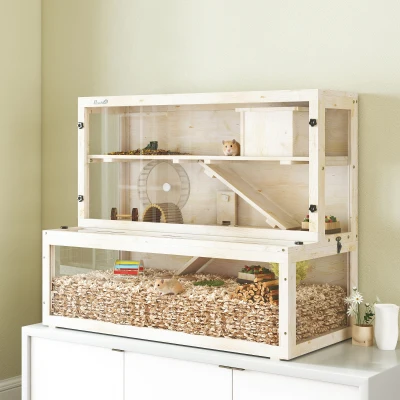
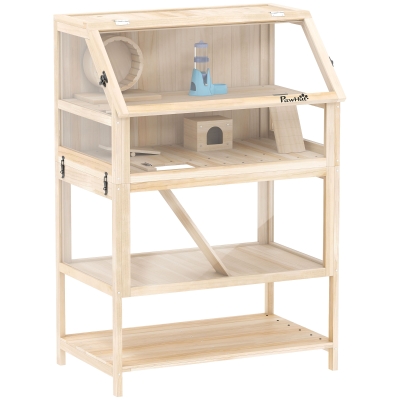
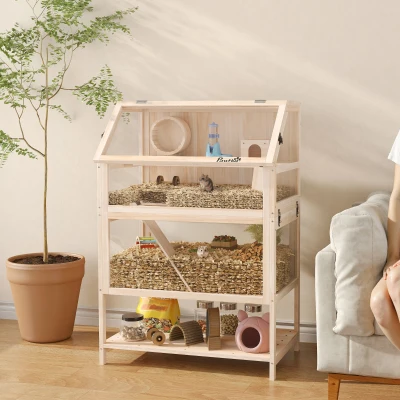
| Wooden Hamster Hutch | Natural wood, openable top, bridges, platforms, more durable | Syrian hamsters, larger species, natural aesthetic | 60–115 x 40–60 x 42–55 cm |
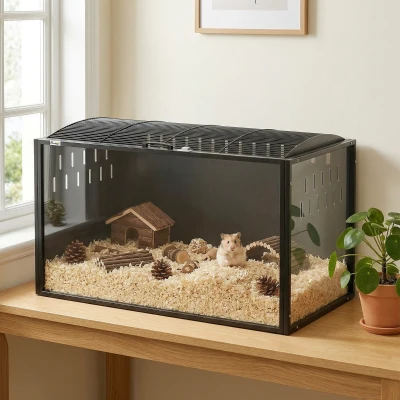
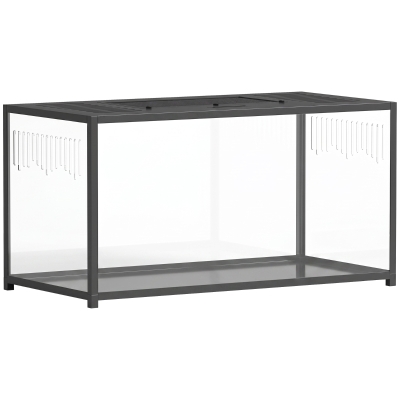
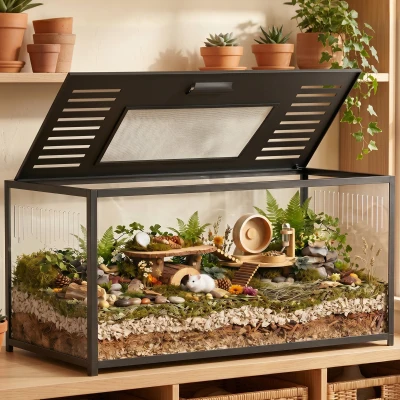
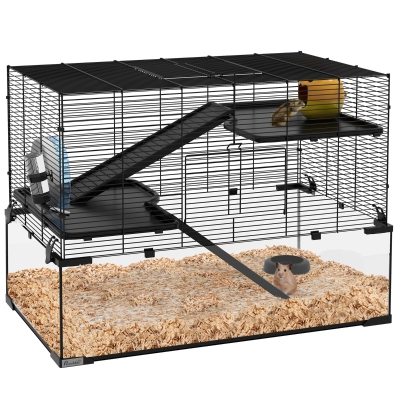
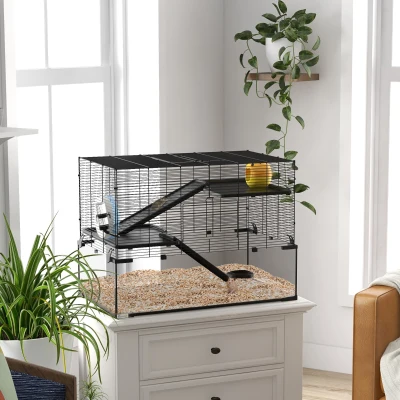
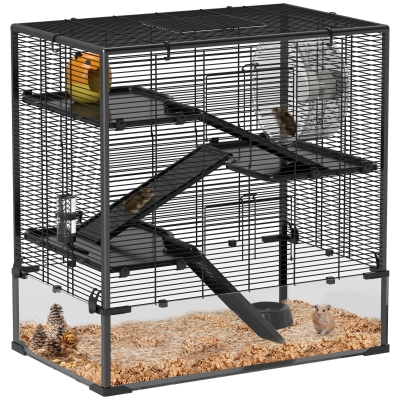
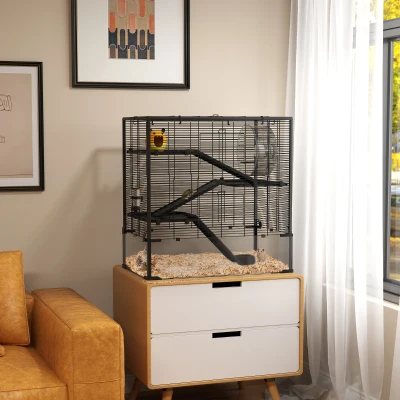
| Glass Bottom Cage | Deep glass base for burrowing, wire top, multiple levels | Hamsters that enjoy digging and burrowing | 60–80 x 40–50 x 55–60 cm |
| Small Animal Cage with Wheels | Portable, storage shelf, multiple platforms, removable tray | Homes wanting flexibility and easy repositioning | 80–90 x 40–50 x 60–70 cm |
4. Materials, Accessories and Enrichment
The material of your hamster cage affects durability, maintenance, and your pet's comfort. Plastic habitats are lightweight, affordable, and easy to clean, making them a popular choice for first-time owners. Wooden hutches, on the other hand, offer a more natural look and better temperature regulation, though they may require more careful cleaning. The accessories included with the cage are equally important. Look for cages that come with exercise wheels, tunnels, ramps, and water bottles—these essentials provide mental stimulation and physical activity. Some models feature deep glass bottoms for burrowing, which is particularly beneficial for Syrian hamsters. The PawHut brand offers a wide variety of hamster cages with comprehensive accessory packages.
5. Popular Hamster Cage Models to Consider
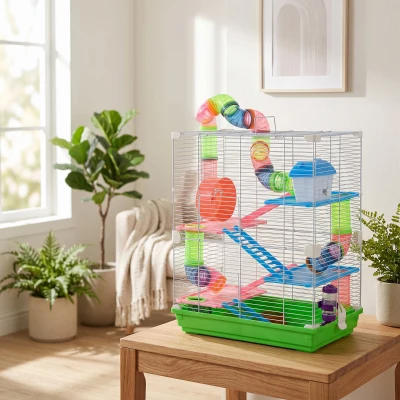
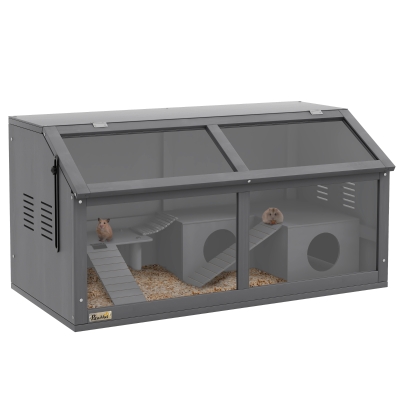
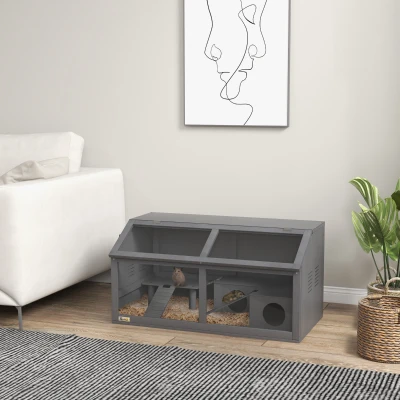
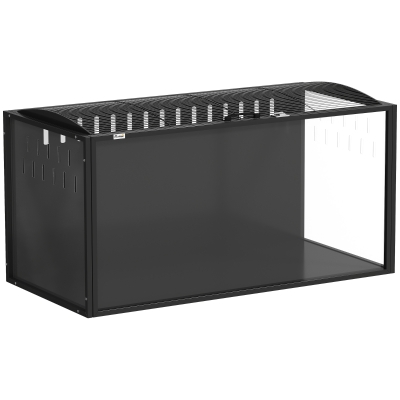
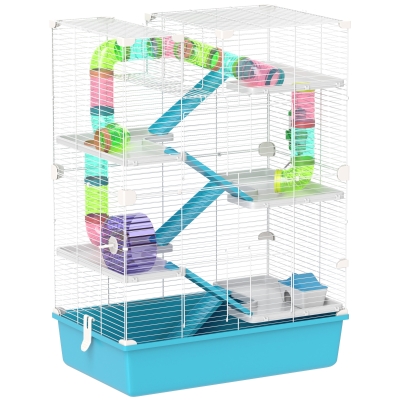
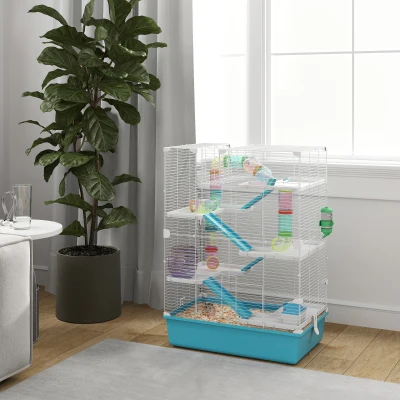
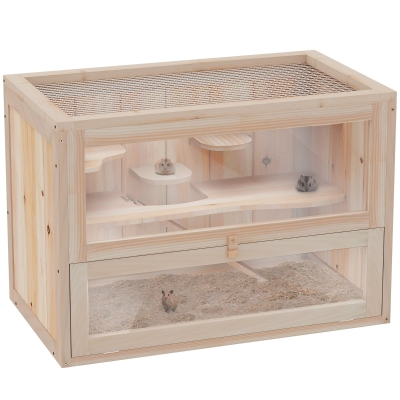
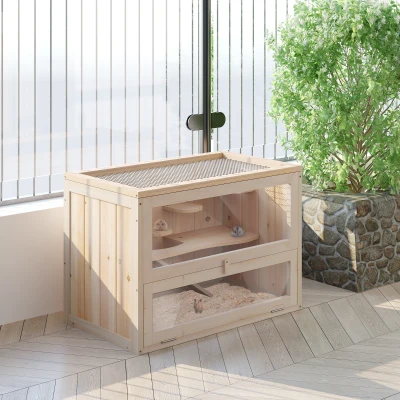
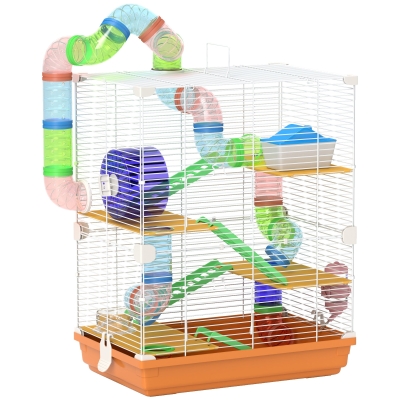
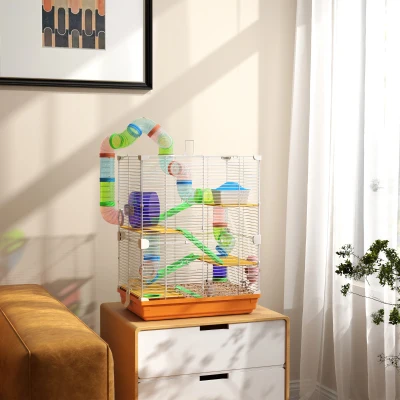
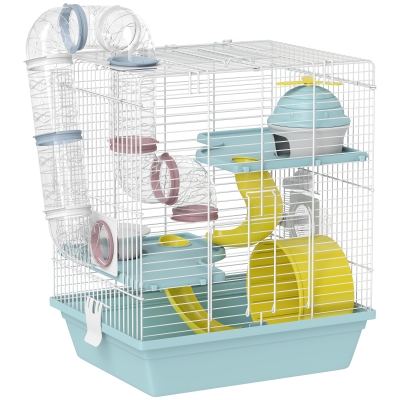
Our selection includes a variety of highly-rated hamster cages and hutches to suit different needs and budgets. The Pawhut 5-Tier Hamster Cage Habitat with Tunnel & Wheels Green is a compact and affordable option with plenty of enrichment features. For a more spacious wooden option, the PawHut Wooden Hamster Cage with Bridge & Openable Top Grey offers a natural aesthetic and easy access. The Pawhut 2-Tier Hamster Cage Small Animal Habitat Blue is a popular choice for dwarf hamsters, offering multiple levels and tunnels. For those seeking a premium habitat, the PawHut 3-Tier Hamster Cage with Glass Bottom provides a deep base for burrowing and multiple levels for climbing.
6. Budget-Friendly Options for Every Home
Quality hamster cages and hutches are available at various price points to suit different budgets. Our selection includes options starting from under £25, such as the Pawhut 5-Tier Hamster Cage, offering excellent value for money. Mid-range options between £40 and £80, like the PawHut Large Hamster Cage Wooden Hutch, provide enhanced space and durability. For those seeking premium quality with glass bottoms, multiple tiers, or wooden construction, models over £80 are also available. With many items currently discounted during the Summer Sale, now is a great time to invest in a comfortable and stimulating habitat for your hamster.
Frequently Asked Questions
1. What size cage does a Syrian hamster need?
A Syrian hamster needs a cage with at least 80 x 50 cm of floor space, though larger is always better. They require more room than dwarf hamsters due to their larger size and active nature. Multiple levels can add valuable vertical space for climbing and exploration.
2. How often should I clean my hamster cage?
Spot-clean the cage daily by removing soiled bedding and uneaten food. A full clean, including washing the cage, accessories, and replacing all bedding, should be done weekly. Regular cleaning prevents the build-up of harmful bacteria and keeps your hamster healthy.
3. What is better for a hamster—a plastic cage or a wooden hutch?
Plastic cages are lightweight, easy to clean, and often come with tunnels and tubes for enrichment. Wooden hutches offer a more natural look, better insulation, and are often more durable. The choice depends on your preferences for aesthetics, maintenance, and your hamster's specific needs.
Showing
1-30
of
62
Results
0 of 5 items