Min
Garden Planters & Stands






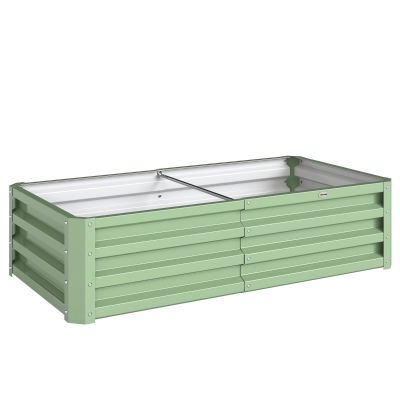
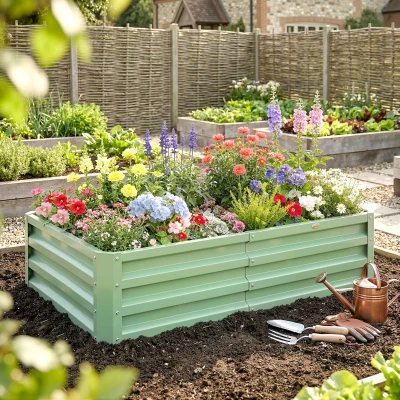


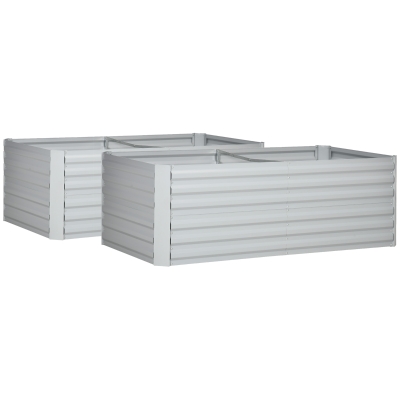


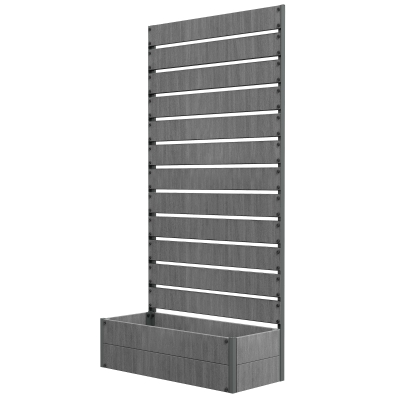

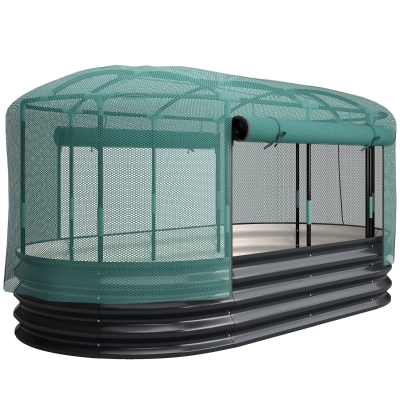
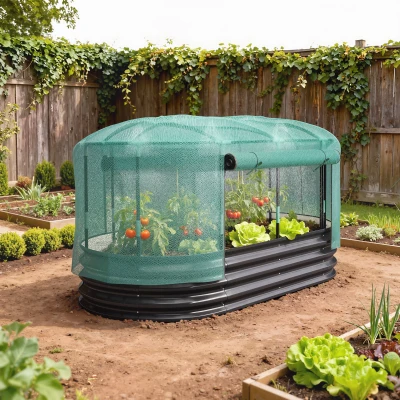


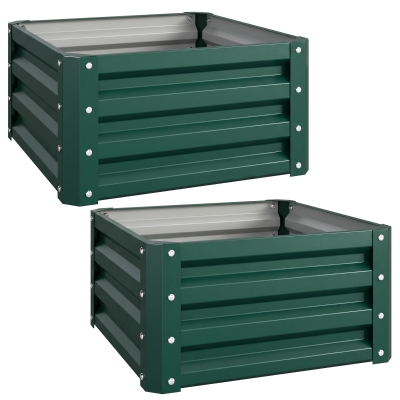
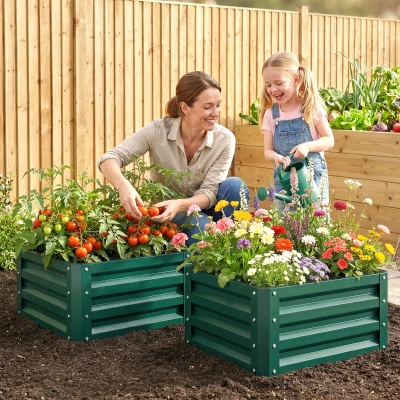


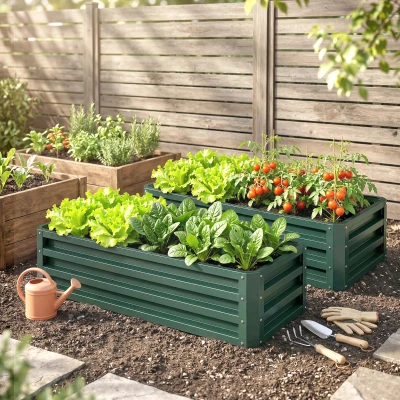


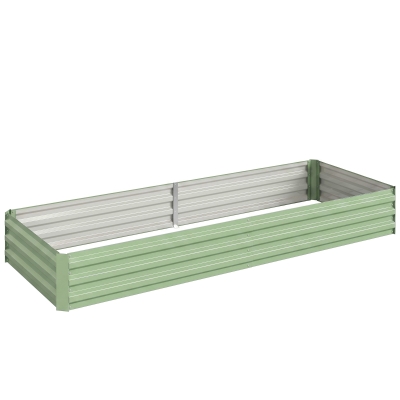
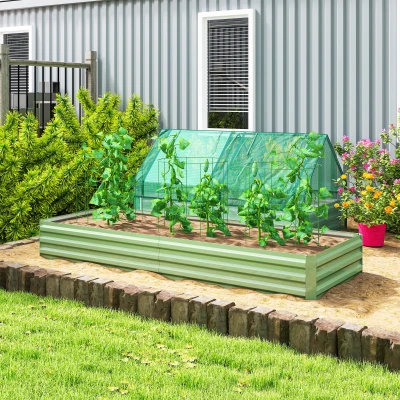
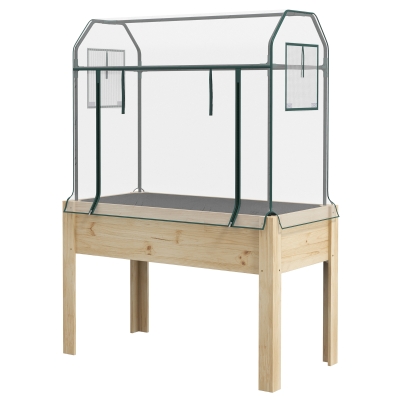
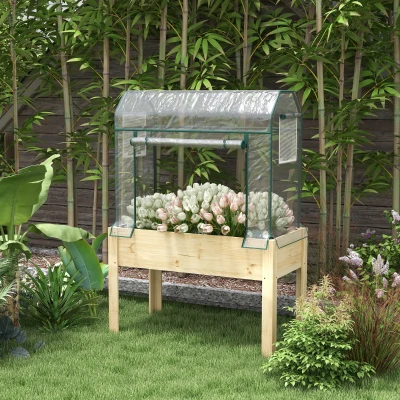


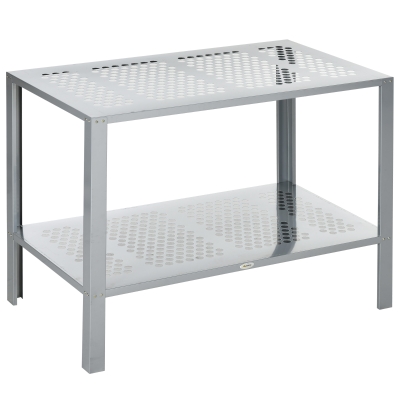


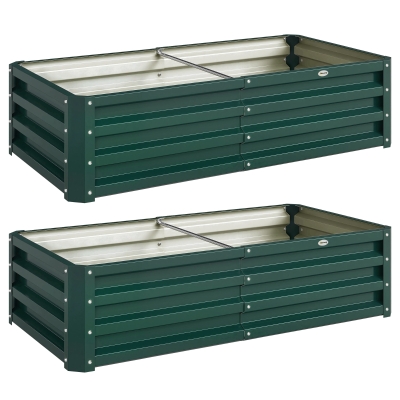
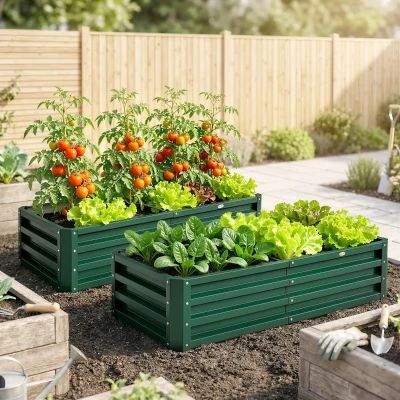


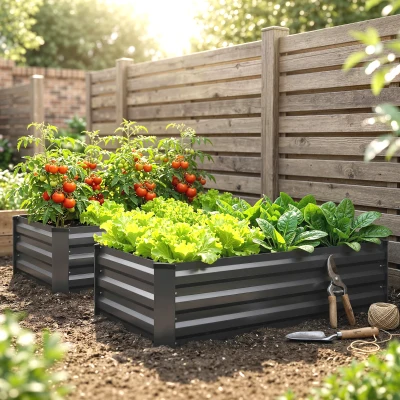


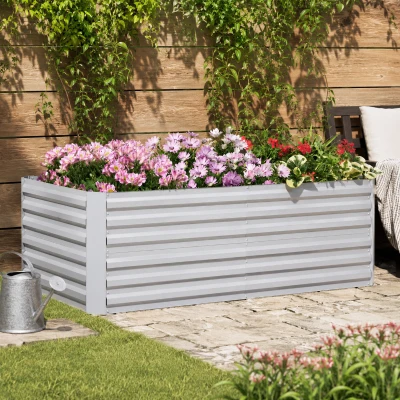


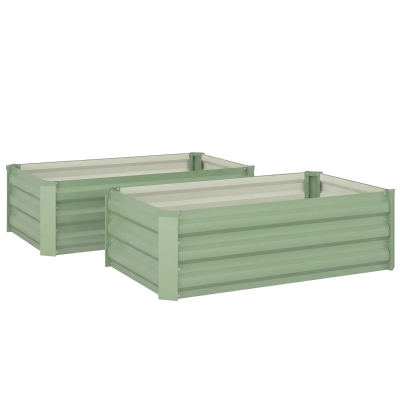
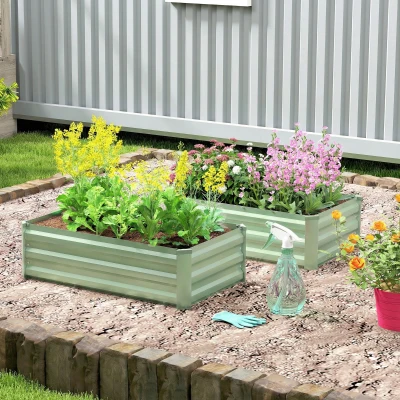
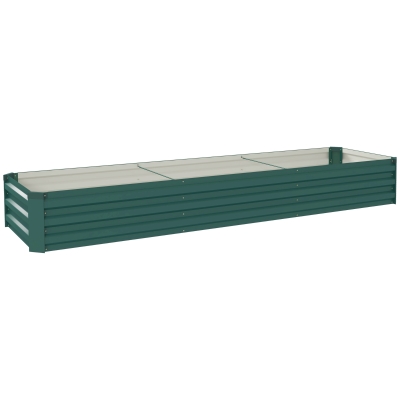
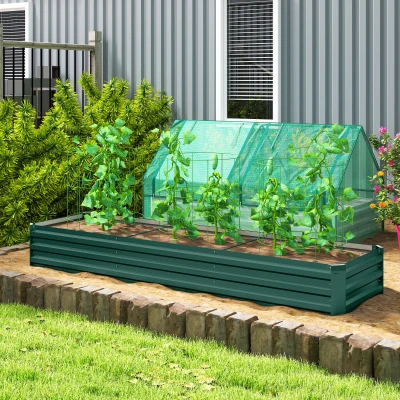


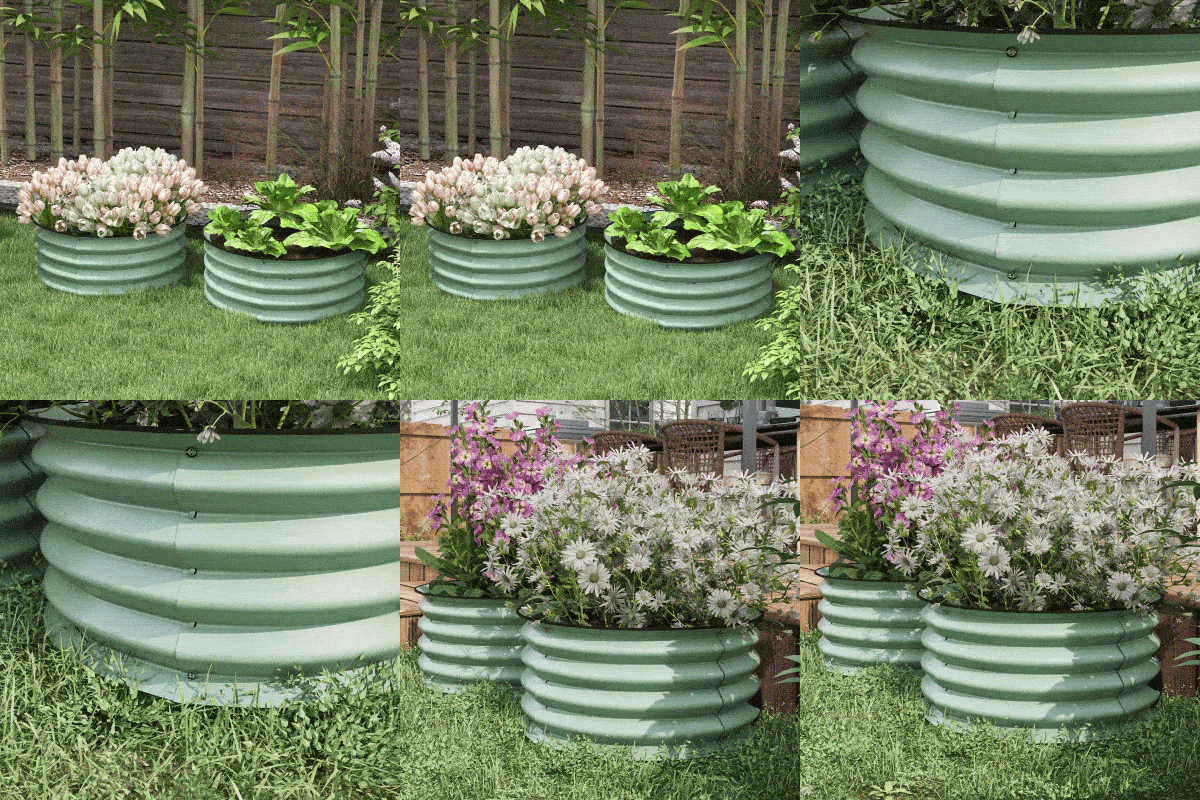
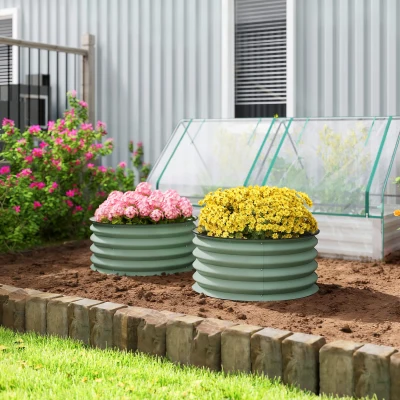


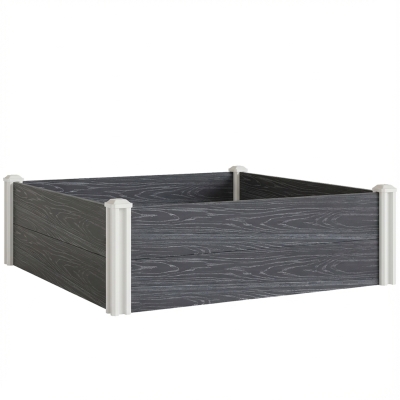
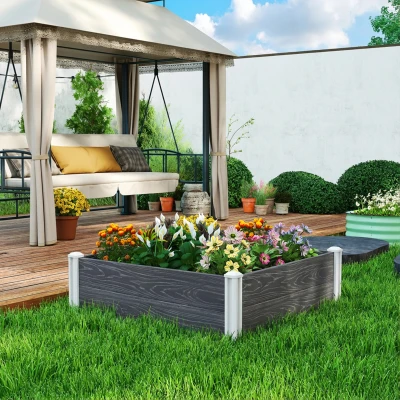


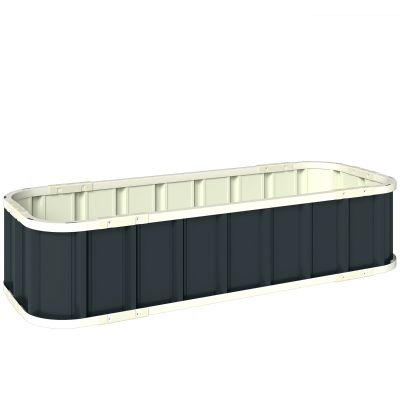
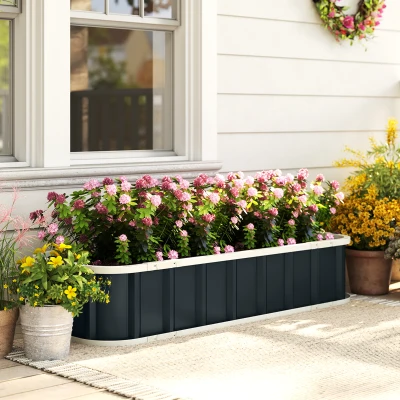


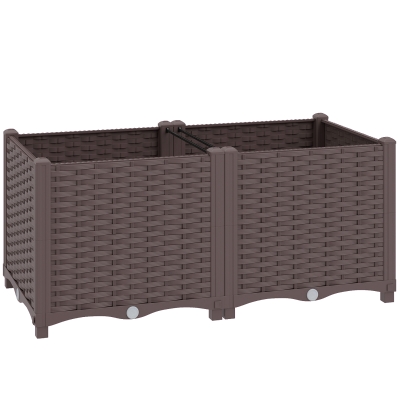
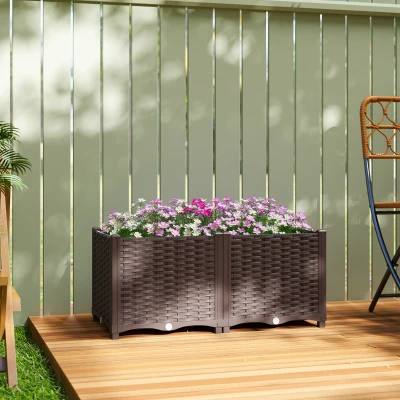


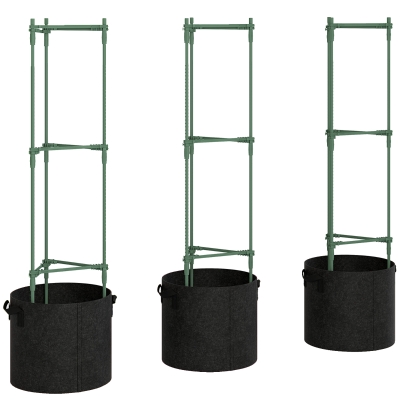
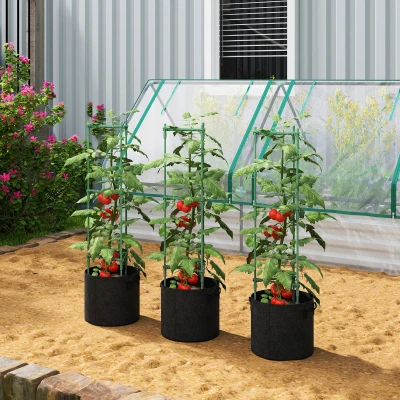
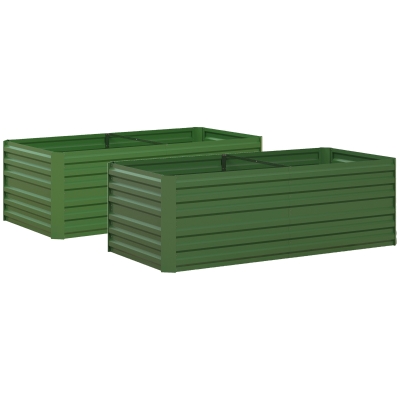


Garden Planters & Stands for Every Outdoor Space
Bring more greenery into your garden, patio or balcony with practical garden planters and stands from Aosom. Whether you want to grow vegetables, arrange colourful flowers or create a decorative plant display, choosing the right planter can make gardening easier. Explore freestanding planters, raised garden beds, tiered plant stands and potting benches in a variety of sizes, materials and styles.
Garden Planters and Raised Beds
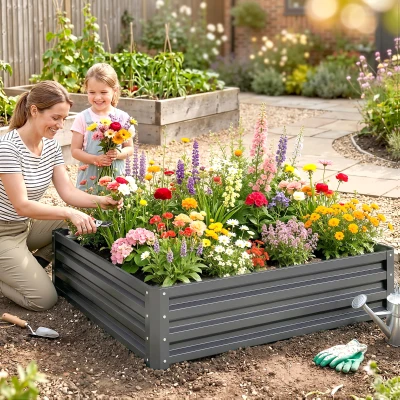
Our pots and planters collection includes planting solutions for flowers, herbs, vegetables and small shrubs. Raised garden beds offer defined growing areas, while freestanding planters can help organise greenery on patios, balconies and other outdoor spaces.
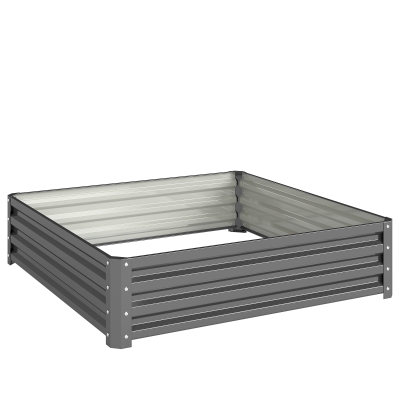
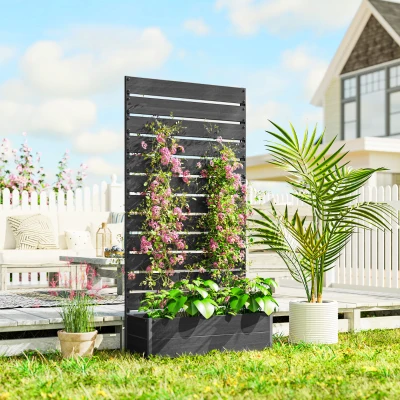
Wooden planter boxes provide a natural garden appearance, while galvanised steel designs offer a practical alternative for outdoor planting. Some raised beds feature open bottoms for direct contact with garden soil, whereas elevated planter boxes may include their own planting base. Always check the individual product design before choosing a location.
Plant Stands for Decorative Displays
Make the most of limited space with plant stands designed to display multiple pots at different heights. Freestanding plant racks and tiered flower stands can help create attractive arrangements on balconies, terraces and garden patios without taking up large amounts of floor space. Choose between wooden and metal designs to complement your outdoor setting.
Potting Benches for Everyday Gardening
A dedicated gardening workspace can make planting and maintenance more convenient. Explore our potting benches for preparing pots, organising gardening tools and handling everyday planting tasks. Depending on the design, features may include worktops, shelves or storage compartments for gardening essentials.
How to Choose the Right Freestanding Planters and Garden Stands
The best outdoor standing planters depend on the plants you want to grow, the available space and how you intend to use them.
- Available space: Measure your patio, balcony or garden area before selecting a planter. Compact containers and vertical plant stands are useful where floor space is limited.
- Planter size and depth: Choose sufficient soil volume for the root systems of your flowers, herbs or vegetables. Larger plants generally need more growing space.
- Materials: Wooden planters offer a traditional appearance, while galvanised steel and suitable outdoor plastics provide alternative options with different maintenance requirements.
- Drainage: Check whether the planter includes drainage holes, an open base or another drainage solution. Good drainage helps prevent water from collecting around plant roots.
- Height and accessibility: Elevated garden planters can make planting and maintenance more comfortable, while tiered stands help organise several smaller flower pots.
- Outdoor conditions: Consider sunlight, wind exposure and the weight of the filled planter, particularly when placing containers on balconies or exposed patios.
Freestanding Planters vs Raised Garden Beds vs Plant Stands
Although these products are often used together, they serve different gardening purposes.
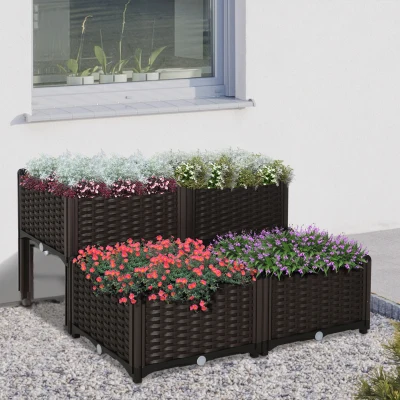
- Freestanding planters: Independent planting containers that can be positioned on patios, terraces or other suitable surfaces. Some designs include elevated legs or integrated supports.
- Raised garden beds: Defined growing areas designed to hold soil for flowers, herbs or vegetables. Some models have open bottoms that allow roots to grow into the ground beneath.
- Plant stands: Structures designed primarily to support and display separate flower pots rather than hold planting soil directly.
For growing vegetables in an established garden, a raised bed may provide a larger planting area. For displaying potted plants on a small patio, a freestanding plant stand or compact planter may be more suitable.
Frequently Asked Questions About Garden Planters
What are freestanding planters?
Freestanding planters are independent planting containers that do not need to be attached to a wall or fence. They can be used to grow flowers, herbs and other suitable plants in gardens, patios and outdoor living areas. Some models feature raised legs to lift the planting area above the ground.
Are freestanding planters suitable for balconies?
Yes, compact freestanding planters can work well on balconies when their dimensions and weight are suitable for the space. Check the balcony's permitted load, allow room for drainage and choose a stable design that can be positioned securely.
What is the difference between a planter and a plant stand?
A planter is a container that holds soil and plants directly. A plant stand usually supports one or more separate flower pots, often arranging them at different heights. Some combined designs provide both a planting container and an integrated stand.
Are wooden or metal garden planters better?
Both materials can be suitable for outdoor use. Wooden planters offer a natural appearance but may require periodic treatment or maintenance. Galvanised metal planters can provide a durable growing structure, although their surface may become warm in direct sunlight. The best choice depends on the product's construction, garden conditions and maintenance preferences.
Do raised garden beds need drainage holes?
Raised beds with open bottoms usually allow excess water to drain into the soil beneath. Raised planters with enclosed bases need an appropriate drainage system to prevent waterlogging. Always check the product specifications and drainage design before planting.
Can I grow vegetables in an outdoor standing planter?
Yes, many outdoor standing planters can accommodate herbs, salad leaves and compact vegetables. Select a planter with sufficient soil depth, growing space and drainage for the crops you intend to grow, and place it where the plants receive appropriate sunlight.
Showing
1-30
of
296
Results
0 of 5 items