


Last Updated: 22/04/2026
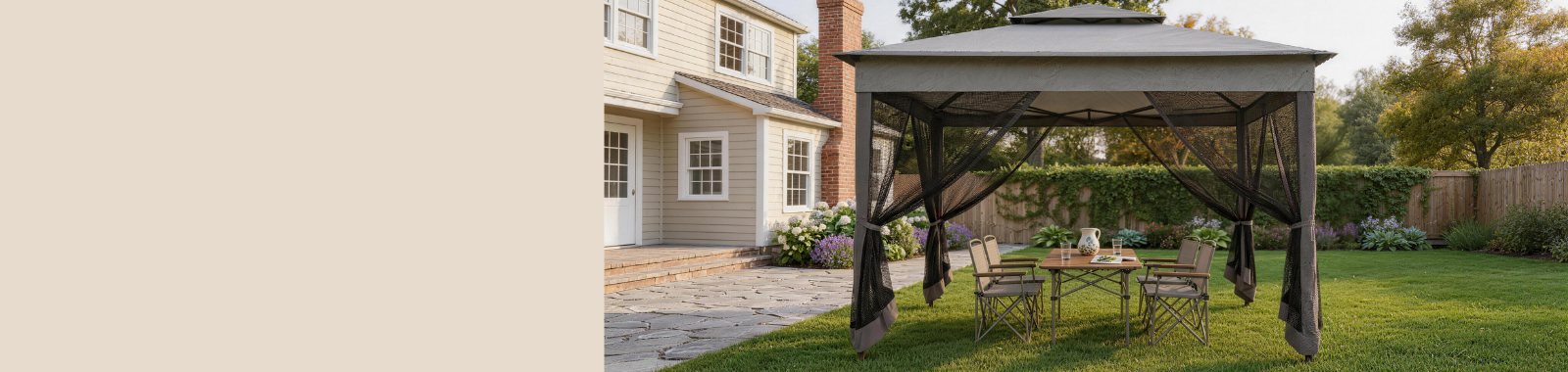
How quickly can it be set up?
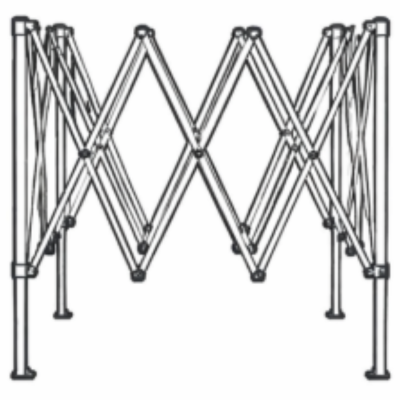
Step 1
Open the canopy
... See more
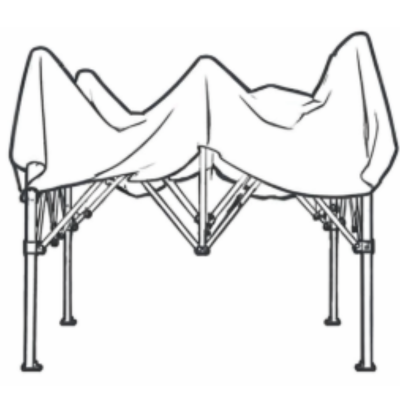
Step 2
Push the central button
... See more
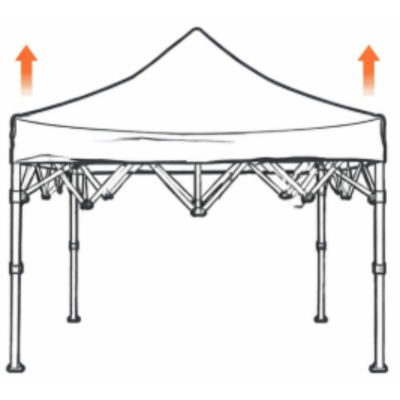
Step 3
Adjust the height
... See more
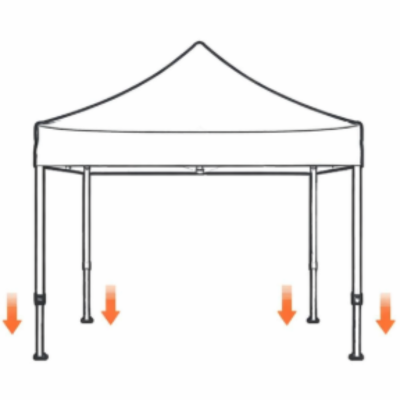
Step 4
Attach the side wall
... See more
... See more
Quick setup depends on structure and how you use it.
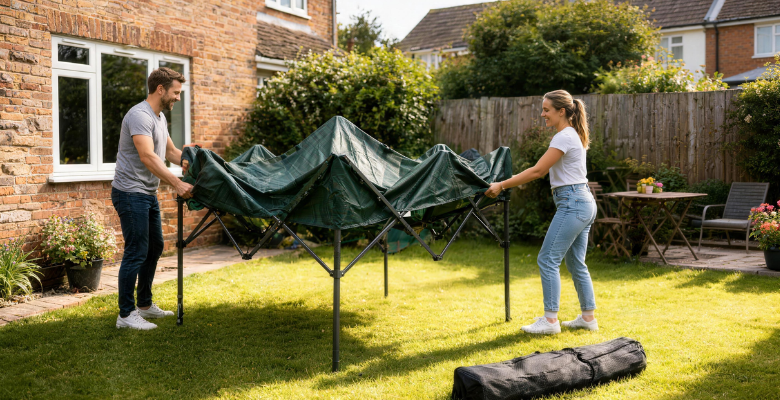

What you expect
- Can one person set it up?
- Is it truly “instant”?
How it actually works
- Scissor-frame structure expands from the centre
-
Best setup requires:
- flat ground
- even pulling on both sides
What to expect
- ✅ 2 people: 2–5 minutes (best experience)
- ⚠️ 1 person: possible, but slower and less stable
How portable is it in practice?
Portable, but not lightweight.
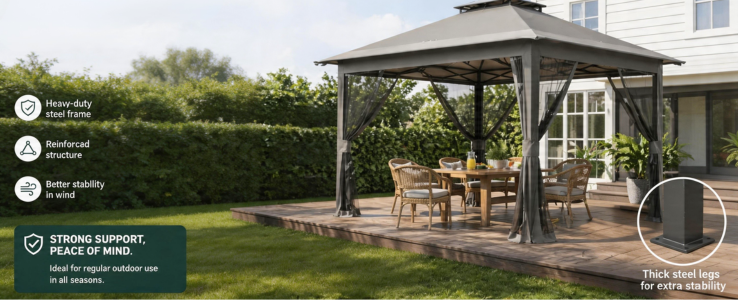
Stronger, but heavier
What it offers
- Higher structural strength
- Better stability in wind
What to consider
- Heavier to move
- Requires more effort to carry
Typical weight
- 20–35kg (depending on size)
Best for
- Garden use
- Semi-fixed setups
- Less frequent movement
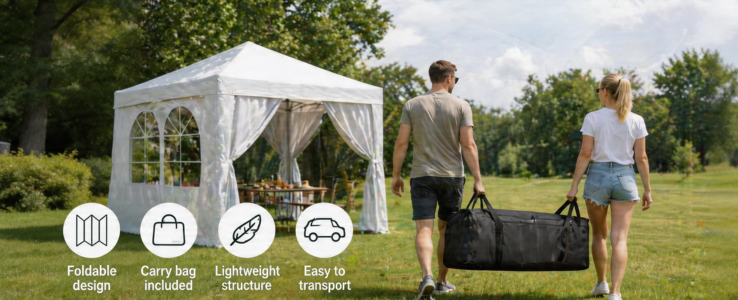
Lighter, easier to handle
What it offers
- Lightweight structure
- Easier to transport and set up
What to consider
- Slightly less rigid than steel
- Needs proper anchoring in wind
Typical weight
- 15–25kg
Best for
- Events / markets
- Frequent setup and transport
Discover more
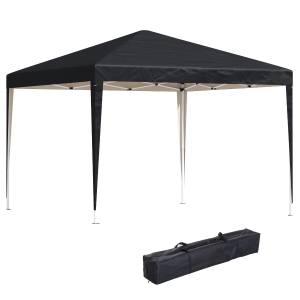


How stable is it in wind conditions?
Stability depends on a complete anchoring system — not just the frame.
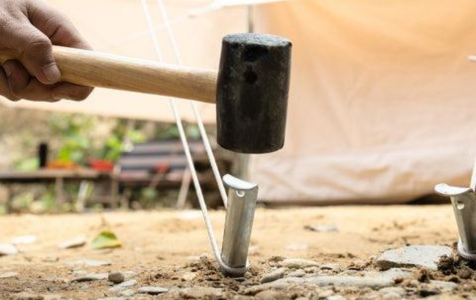
Ground stakes — Securing to soft ground
What it does
- Fixes the frame directly into soil
- Prevents lifting and sliding
Best for
- Grass
- Soil
- Campsites
Key limitation
- Not effective on hard surfaces
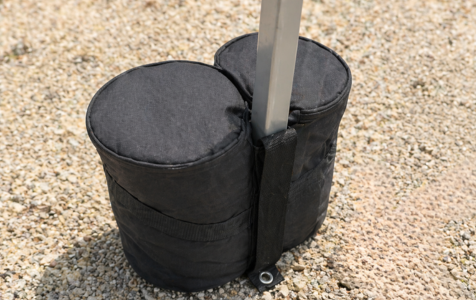
Weight bags — Stability on hard surfaces
What it does
- Adds downward force
- Keeps structure grounded
Best for
- Patios
- Decking
- Concrete
Key limitation
- Needs sufficient weight to be effective

Guy ropes — Managing wind forces
What it does
- Distributes wind load
- Reduces pressure on frame
Best for
- Windy conditions
- Open areas
Key limitation
- Must be used with stakes or weights
Discover more
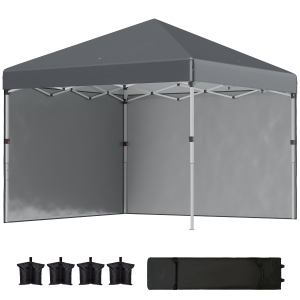
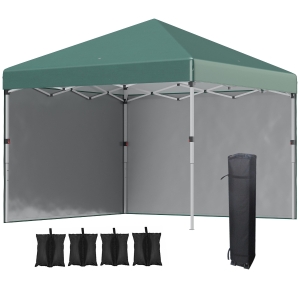

How well does it perform in rain?
Designed for light weather — not extreme conditions.
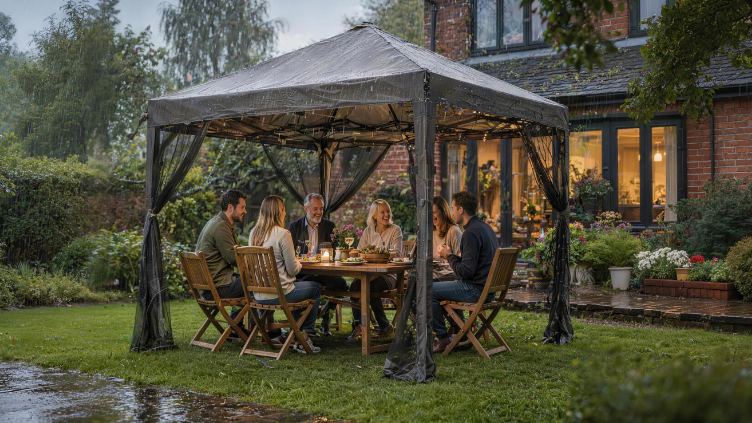

Suitable for light weather use

Light rain and short showers
Temporary outdoor shelter
Garden use and casual events

Pro Tip
Provides protection in mild weather conditions
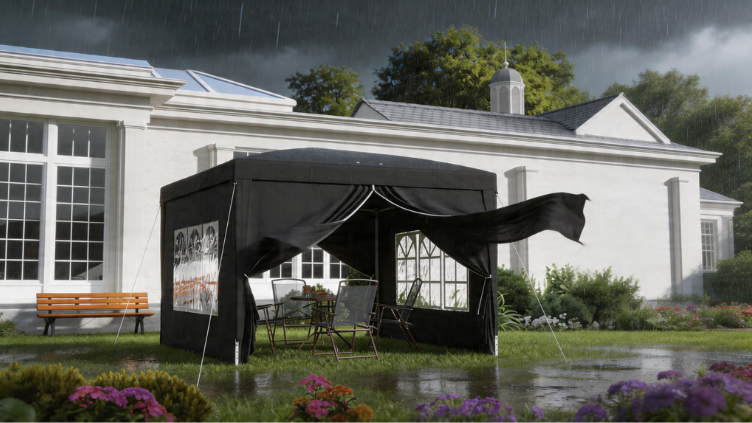

Not suitable for heavy weather

Heavy or prolonged rain
Strong wind combined with rain
Leaving unattended in bad weather
Pro Tip
Not designed for storms or long exposure
How long will it last in real use?
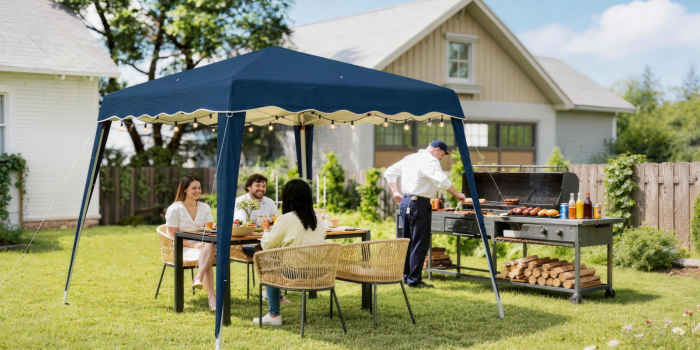
Occasional use
Designed to perform well across multiple seasons
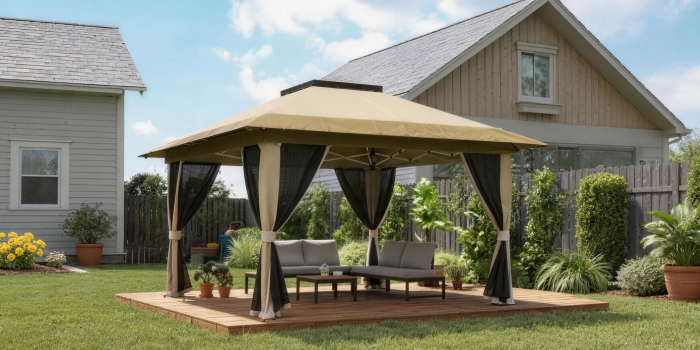
Frequent or extended use
More frequent use may lead to faster wear over time
Explore more

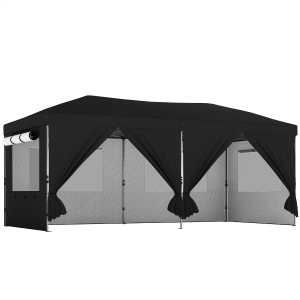


Common misunderstandings
Understanding these differences will help you avoid the most common issues.
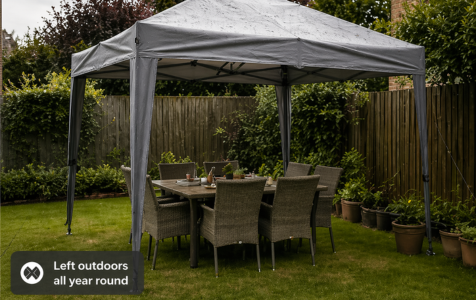
A temporary shelter
Designed for occasional use
Not intended for long-term installation
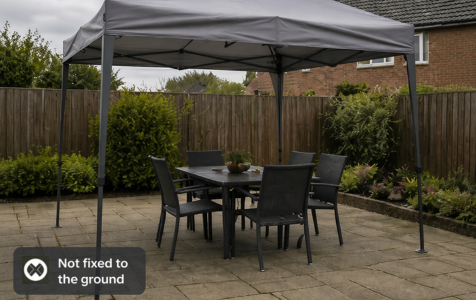
Stability comes from proper anchoring
Requires stakes, weights and ropes
Frame strength alone is not enough
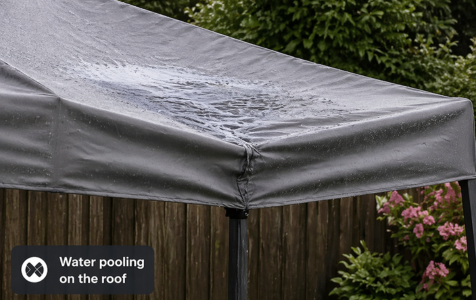
Suitable for light rain only
Water-resistant, not storm-proof
Not designed for heavy or prolonged rain
Conclusions
A pop-up gazebo is designed for flexibility, not permanence.
It offers quick shelter, easy setup and practical outdoor use - but performs best when used correctly and within its intended conditions.
Understanding how it works helps you get the most out of it - and avoid common issues.