


Min
Small Animal Cages & Habitats















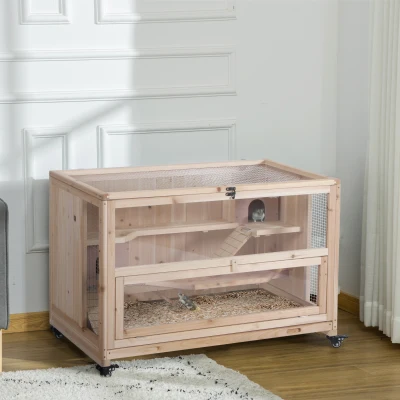


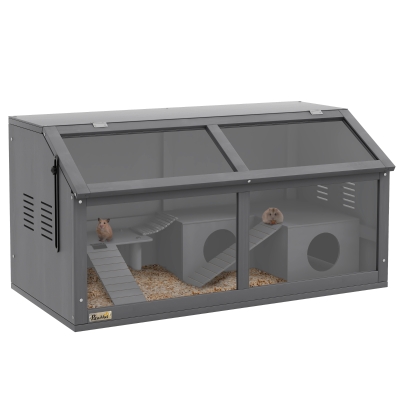
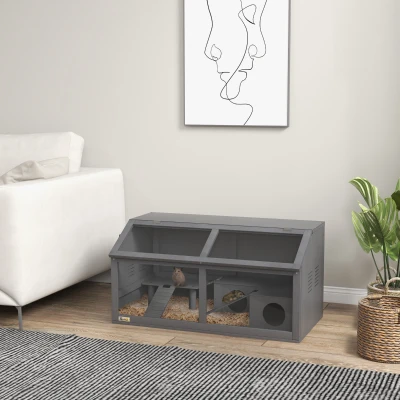


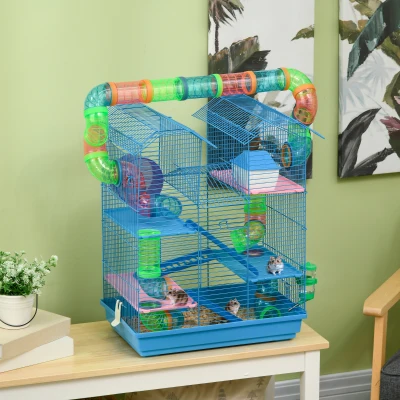




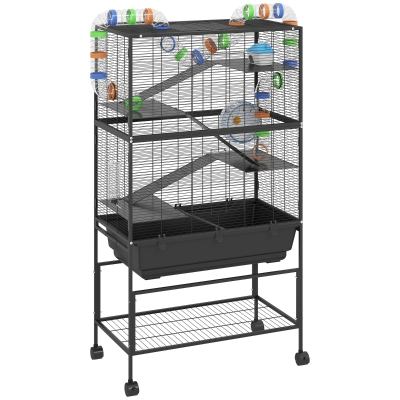
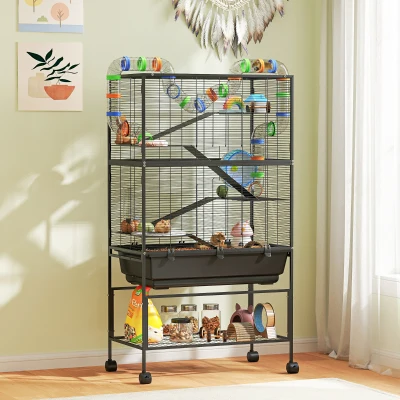
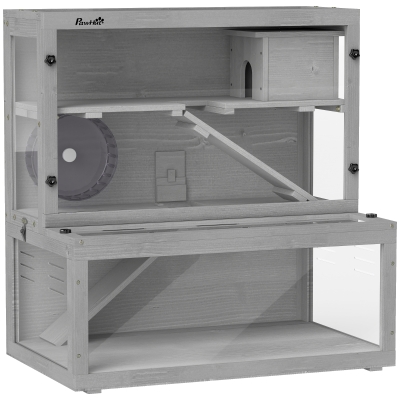
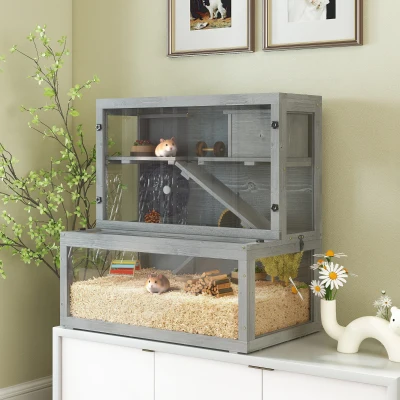
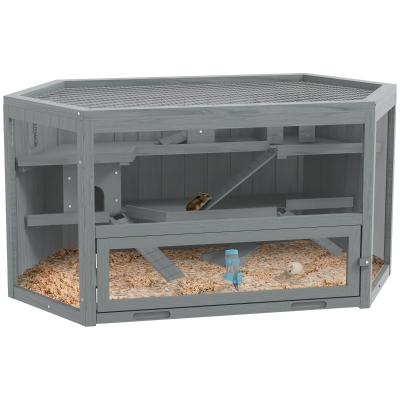
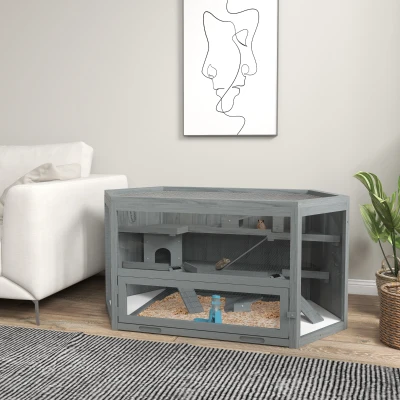
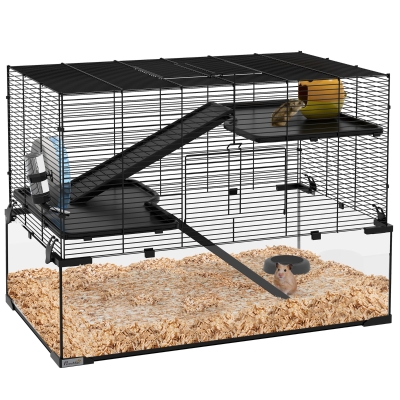
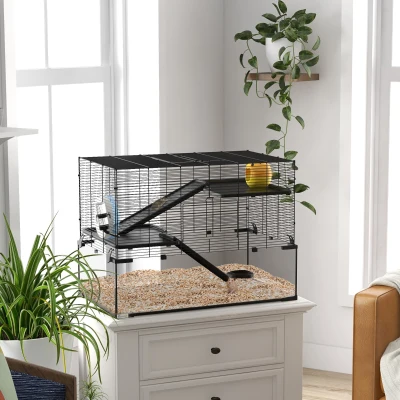


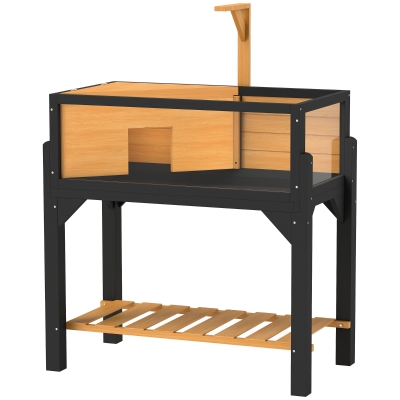
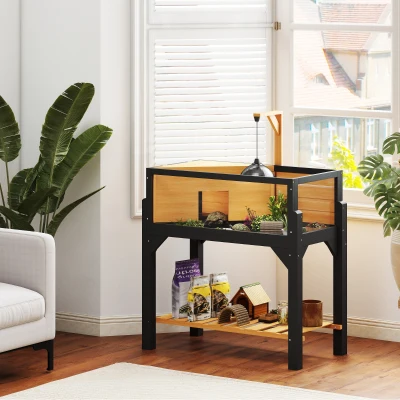


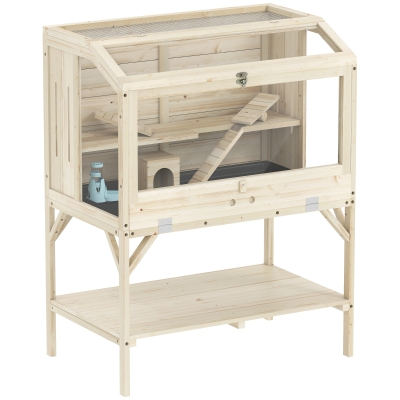
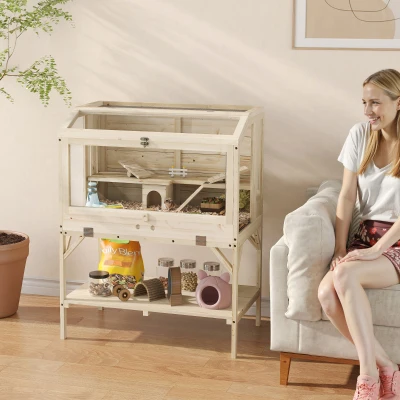




Small Animal Cages – A Cosy Home for Your Tiny Companion
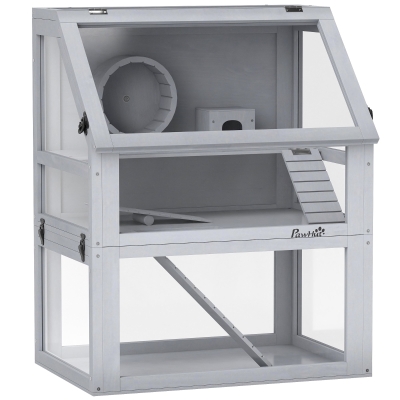
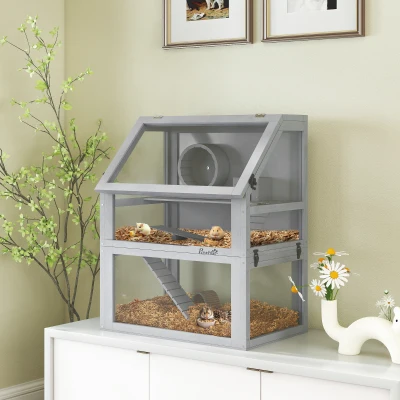
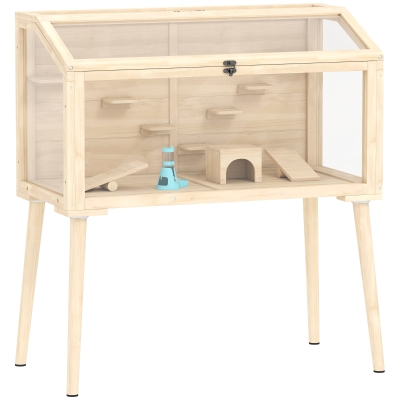
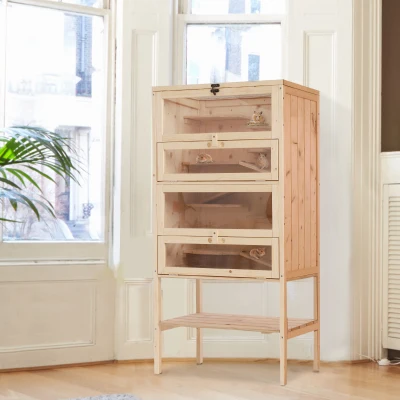
Small pets bring big joy – and they deserve a space that feels safe, spacious, and just right for their unique habits. Whether you have a burrowing hamster, an active gerbil, or a curious chinchilla, the right cage makes all the difference. At Aosom UK, we carry over 88 small animal cages and habitats from PawHut, designed for hamsters, gerbils, rats, mice, chinchillas, and other small mammals. You'll find wooden hutches with deep bases for burrowing, metal wire cages with multiple levels for climbing, and portable playpens for supervised exercise. Many models include exercise wheels, tunnels, ramps, water bottles, and food dishes – everything your pet needs to thrive. Colours range from natural wood and crisp white to playful blue, green, and grey. Find the perfect home for your little companion and watch them thrive.
Matching the Cage to Your Pet's Personality
Not all small animals are alike. A cage that works for a hamster might frustrate a chinchilla. Here's how to choose based on who you're bringing home:
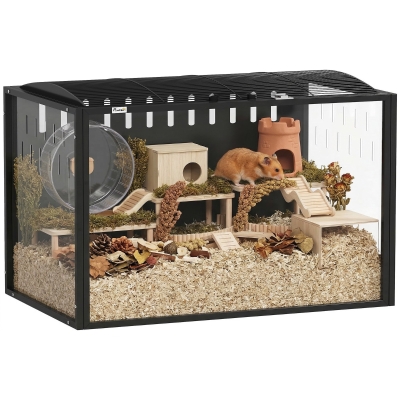
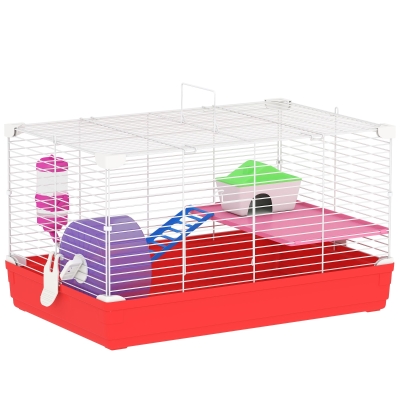
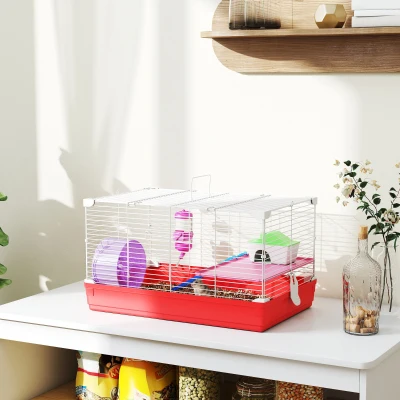
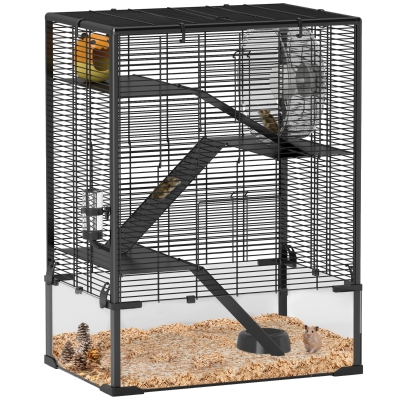
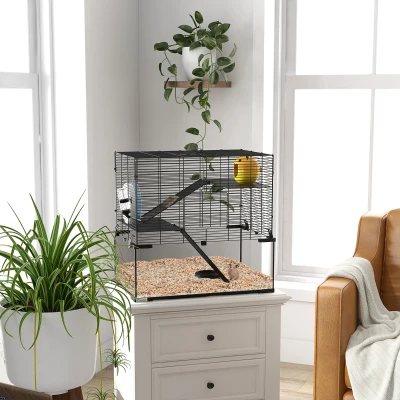
- Hamsters & Gerbils: These burrowers need floor space more than height. A wide, horizontal cage with deep bedding (6+ inches) lets them dig tunnels. Look for cages with deep plastic or glass bases – they keep bedding inside and give your pet room to excavate. The PawHut Steel Hamster Cage with Openable Top has a 51cm deep base that's perfect for burrowing.
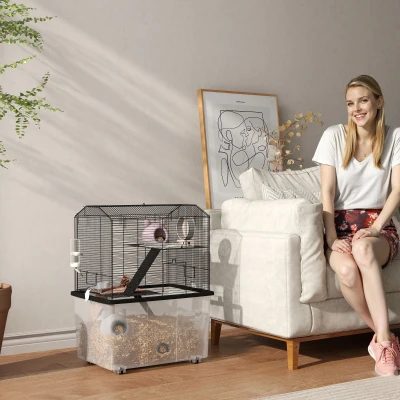
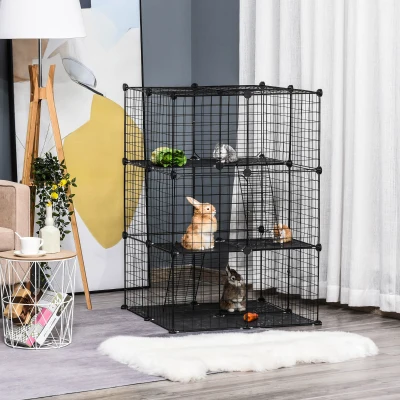
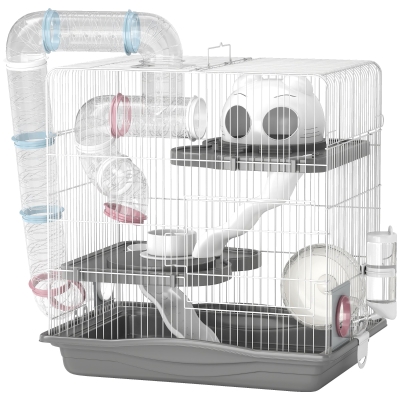
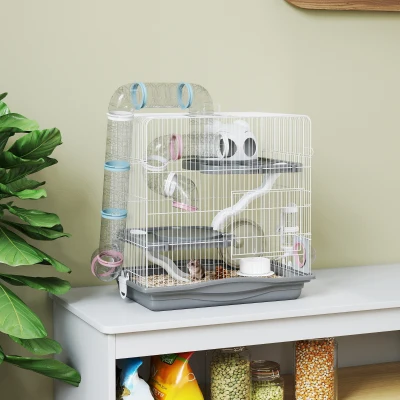
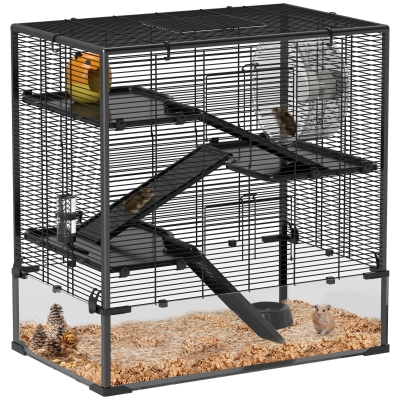
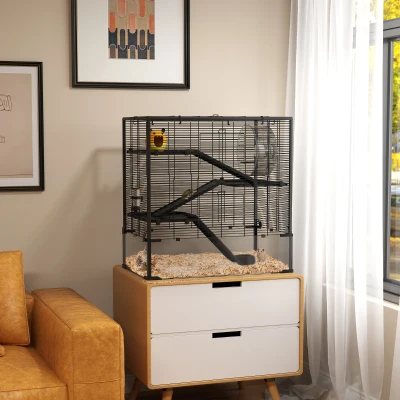
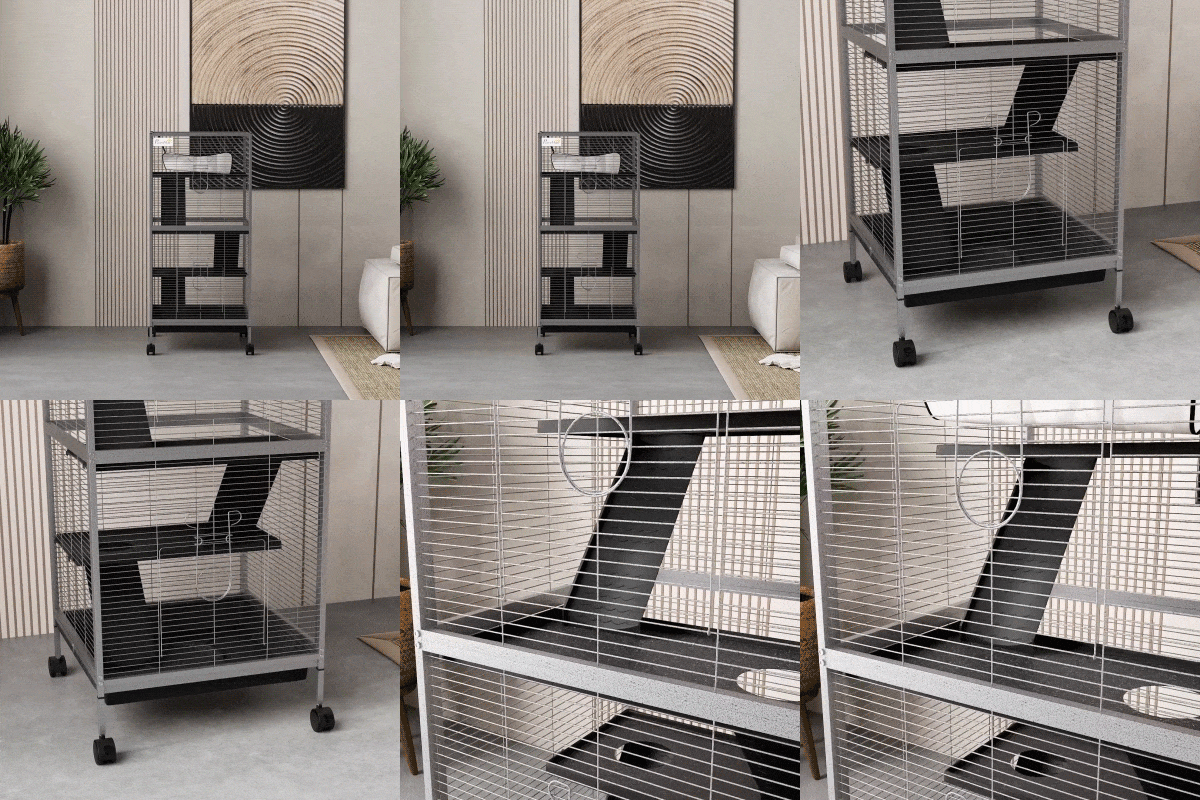
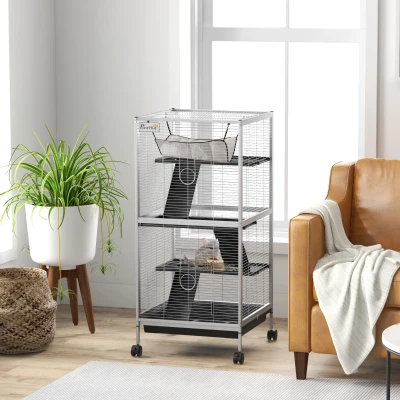
- Rats & Mice: Smart and social, rats need room to climb and explore. A tall cage with multiple levels, ramps, and platforms keeps them engaged. The Hamster Cage with Three Tiers offers multiple levels – ideal for curious rats who love to climb.
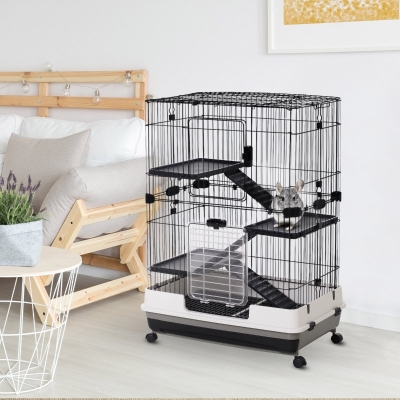
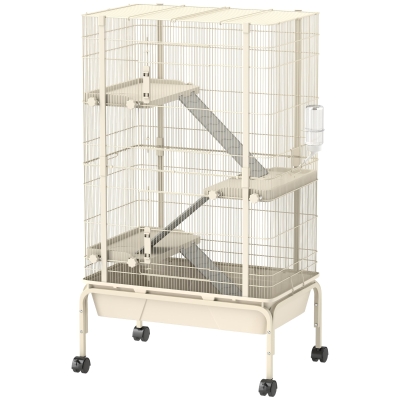
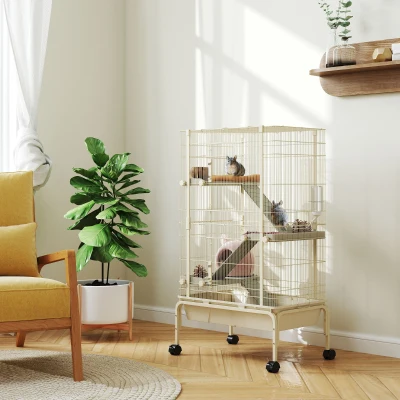
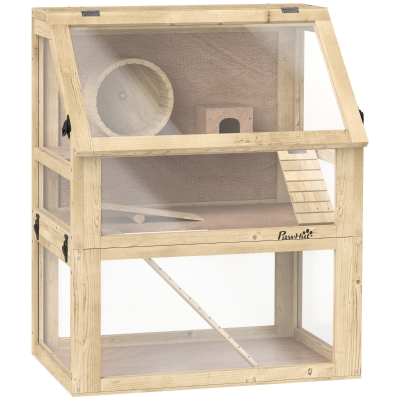
- Chinchillas: These active jumpers need vertical space and solid shelves (wire floors hurt their feet). Look for a tall cage with multiple platforms, a deep tray, and secure door latches – chinchillas are clever escape artists. The PawHut Wooden Hamster Cage with Seesaws & Platforms provides plenty of climbing space.
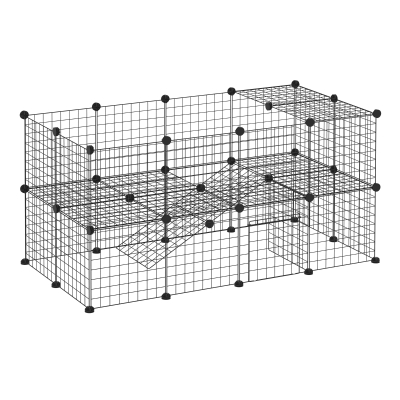
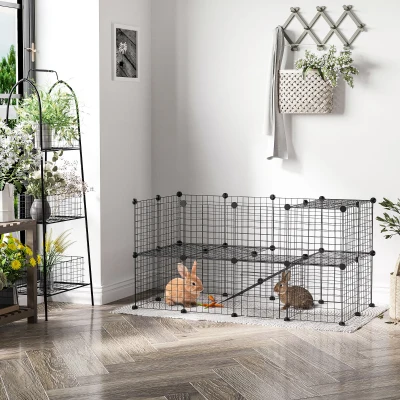
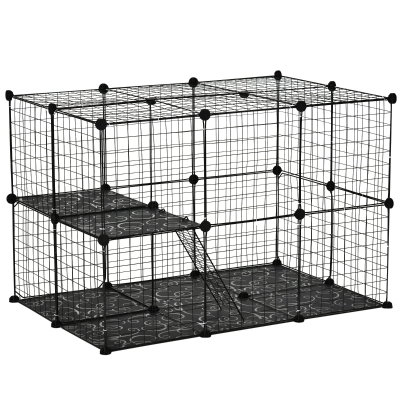
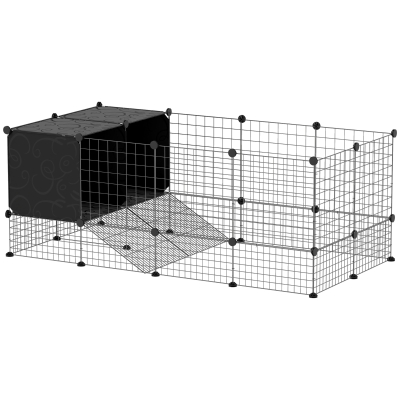
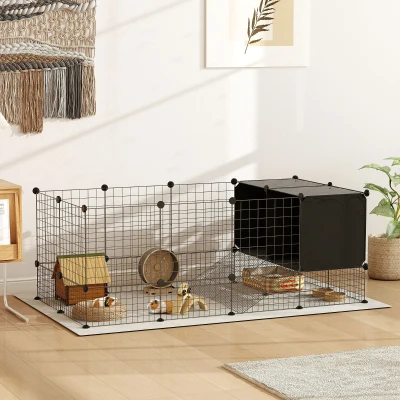
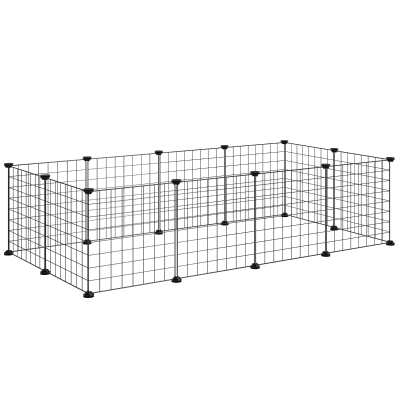
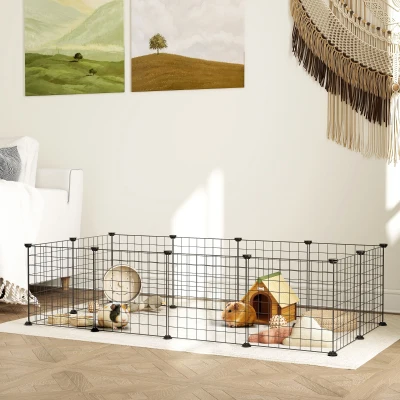
- Guinea Pigs: Ground dwellers need long, single-level cages with solid floors. C&C cages or wooden hutches with open tops work well. A metal wire playpen with 39 panels gives you flexibility to design the perfect layout.
Wood, Metal, or Glass – Choosing the Right Material
The material of your small animal cage affects durability, cleaning ease, and your pet's comfort. Here's what each option offers:
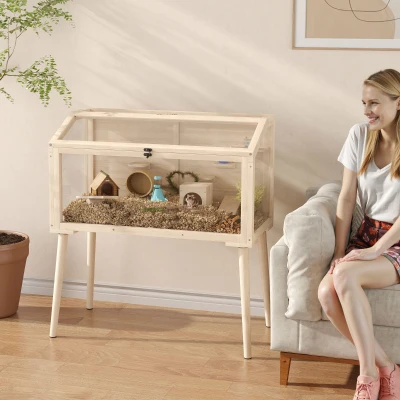
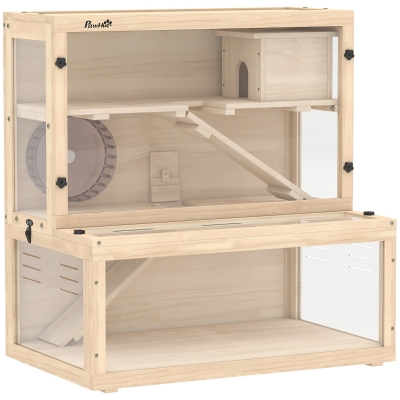
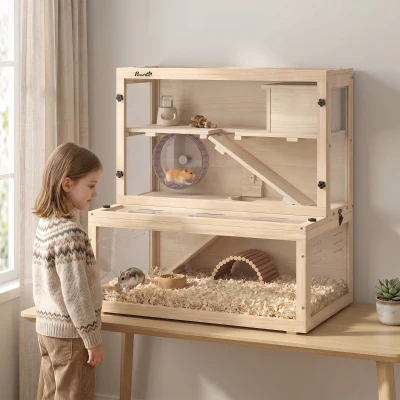
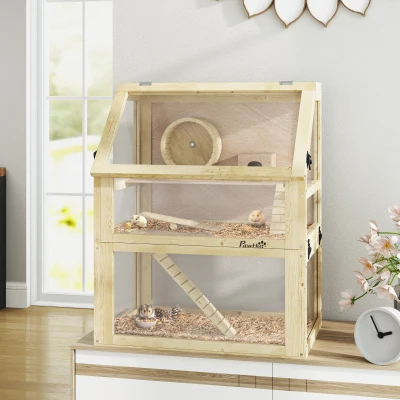
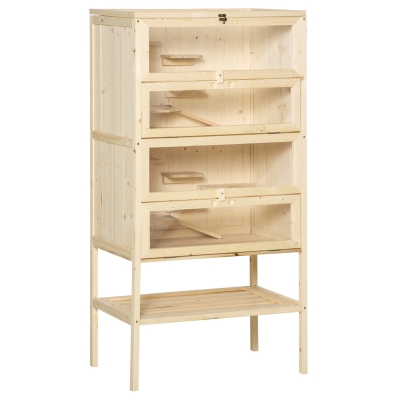
- Wooden cages: Beautiful and insulating. Ideal for hamsters and gerbils who like enclosed spaces. Look for cages with a deep plastic or glass base to protect the wood from moisture and chewing. The PawHut Wooden Hamster Cage with Deep Bottom includes a 32cm base for burrowing – everything your hamster needs.
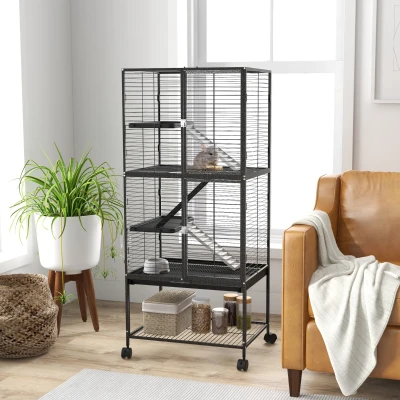
- Metal wire cages: Best for rats, chinchillas, and ferrets – excellent ventilation and visibility. Choose powder-coated steel to resist rust. Many come with removable plastic trays for easy cleanup. The PawHut Metal Wire Playpen with 36 Panels is a top-rated wire option with over 900 sold.
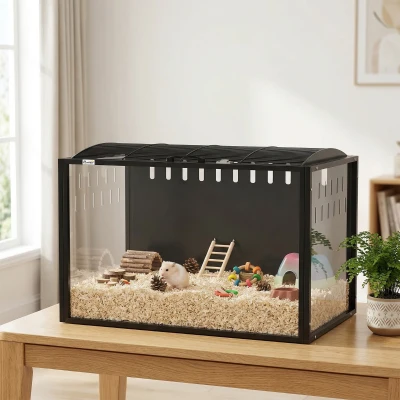
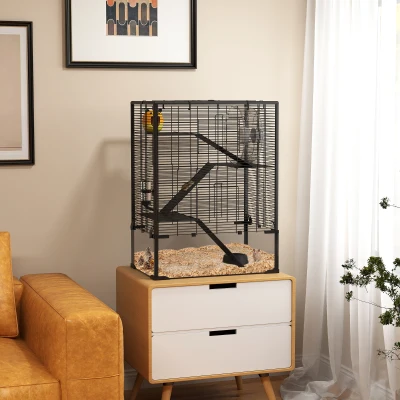
- Glass-bottom cages (tanks): Perfect for burrowing species – the deep glass base holds bedding without scattering. The clear walls give you a full view of your pet's underground tunnels. The PawHut 4-Tier Hamster Cage with Glass Bottom combines a deep glass base with multiple levels for climbing.
- Plastic & fabric playpens: Lightweight and portable for temporary use – outdoor time, travel, or as an addition to a permanent cage. Easy to wipe clean.
Features That Make Daily Care Easier (For You AND Your Pet)
A well-designed small animal cage saves you time and keeps your pet healthier. Look for these practical features:
- Deep base trays: No more bedding scattered across the floor. A deep tray (15-30cm) contains burrowing material and reduces mess. The PawHut Wooden Hamster Cage with 32cm Deep Bottom is designed specifically for burrowers.
- Locking casters: Wheels let you move the cage for cleaning or to follow the sun. Lock them in place when the cage is stationary.
- Multiple access doors: Top-opening roofs and side doors make it easy to reach your pet without scaring them.
- Chew-proof edges: For wooden cages, look for metal corner guards or thick, untreated wood – safe if nibbled.
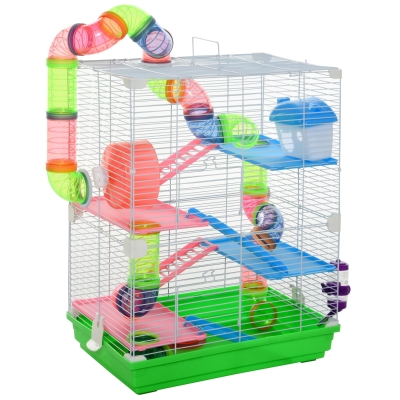
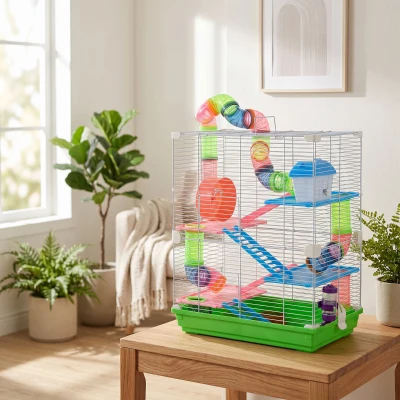
- Included accessories: Many PawHut cages come with exercise wheels, ramps, platforms, food dishes, and water bottles. The PawHut 5-Tier Hamster Cage with Tunnel & Wheels includes everything you need to get started.
Setting Up Your Small Animal Enclosure – Tips for a Happy Pet
Bringing home a new cage? Here's how to make it feel like home on day one:
- Location matters: Place the cage away from direct sunlight, drafts, radiators, and noisy appliances. Small animals are sensitive to temperature changes and loud sounds.
- Bedding basics: Use paper-based, aspen, or hemp bedding. Avoid cedar and pine shavings – the phenols can cause respiratory problems.
- Hideouts and enrichment: Every cage needs at least one enclosed hide (wooden house, igloo, or tunnel). Add chew toys, a solid-surface wheel (not wire), and climbing branches for exercise.
- Cleaning routine: Spot-clean daily. Deep-clean weekly by removing all bedding, washing the tray with mild soap, and wiping down bars or wood surfaces. Let everything dry completely before adding fresh bedding.
- Introduce gradually: If your pet is moving from an old cage, place some of their used bedding in the new enclosure first. The familiar scent reduces stress.
Frequently Asked Questions About Small Animal Cages
❓ How big should a cage be for a Syrian hamster?
Syrian hamsters (the largest hamster breed) need a minimum of 80cm x 50cm of floor space. The PawHut Wooden Hamster Cage with Deep Bottom meets this requirement and includes a deep base for burrowing. For dwarf hamsters, a 60x40cm cage is usually sufficient. Always prioritise floor space over height – hamsters are ground dwellers, not climbers.
❓ Are wooden cages safe for pets that chew?
Yes, when made correctly. PawHut uses untreated fir wood or pine that is safe for nibbling (unlike pressure-treated lumber). However, no wooden cage is fully chew-proof. If you have an aggressive chewer (some hamsters or chinchillas), a metal wire cage with a plastic tray is a better choice. For moderate chewers, provide plenty of alternative chews – apple sticks, willow balls, or lava blocks – to redirect the behavior. The PawHut Steel Hamster Cage is a chew-proof alternative.
❓ Can I use a hamster cage for a gerbil or mouse?
Yes, with some considerations. Gerbils and mice are also burrowers and need deep bedding, so a cage with a deep base tray (20cm+) is ideal. The Hamster Cage with Three Tiers works well for gerbils. However, mice are smaller and can squeeze through wider bar spacing – check that the bar gaps are 1cm or less. Gerbils also need a sand bath area, so ensure the cage has room for a separate sand dish.
Your small pet spends most of their life inside their cage – make it a good one. Browse the full collection of small animal cages, hutches, and playpens from PawHut at Aosom UK. With free delivery, Matchday Sale discounts, and over 70 models in stock, the perfect home for your furry friend is just a click away. Shop today and watch them thrive.
Showing
1-30
of
88
Results
Popular searches
0 of 5 items