


Last Updated: 30/07/2026
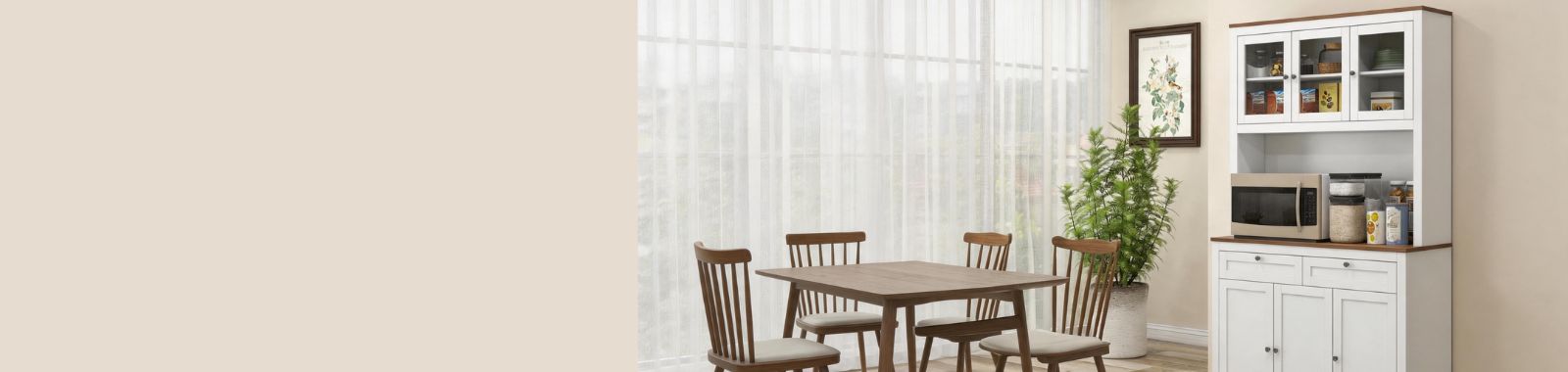
What People Really Care About Is Not "Structural Parameters", but Whether the Cabinet Feels Safe to Use
When choosing a kitchen cabinet, pantry cabinet or storage cupboard, most people are not thinking in technical engineering terms. They are asking very practical questions:
Will the cabinet wobble from side to side?
Will it shake when the doors are opened or closed?
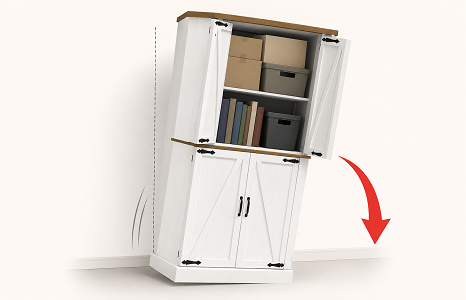
Could a tall cabinet lean forward?
Does a fully loaded cabinet become safer, or more dangerous?
Is wall fixing necessary in a home with children or pets?
Why does a product say "freestanding" while the instruction manual still recommends wall fixing?
Behind all these questions is one core concern: Does the cabinet simply stand upright, or is it safe and stable for long-term everyday use?
Cabinet stability is not only about whether the unit can stand on its own when empty. A truly stable cabinet should remain reliable after assembly, after loading, after repeated opening and closing, and after being placed in a real home environment.
Will the cabinet wobble from side to side?
Will it shake when the doors are opened or closed?
Could a tall cabinet lean forward?
Does a fully loaded cabinet become safer, or more dangerous?
Is wall fixing necessary in a home with children or pets?
Why does a product say "freestanding" while the instruction manual still recommends wall fixing?
Behind all these questions is one core concern: Does the cabinet simply stand upright, or is it safe and stable for long-term everyday use?
Cabinet stability is not only about whether the unit can stand on its own when empty. A truly stable cabinet should remain reliable after assembly, after loading, after repeated opening and closing, and after being placed in a real home environment.
"Freestanding" Does Not Mean "Never Needs Wall Fixing"
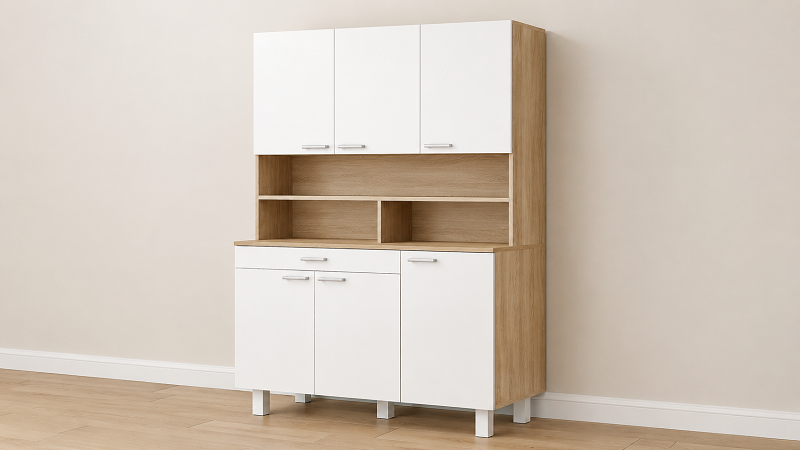

"Freestanding" Does Not Mean "Never Needs Wall Fixing"

Many products are described as:
Freestanding cabinet
Freestanding kitchen pantry
Freestanding storage cupboard
Freestanding cabinet
Freestanding kitchen pantry
Freestanding storage cupboard

It is easy to assume that "freestanding" means: The cabinet can stand completely on its own, does not need wall fixing, and will not wobble or tip.

That is not fully accurate.
Common Misunderstanding:
"Freestanding" Does Not Mean "Never Needs Wall Fixing"

"Freestanding" Does Not Mean "Never Needs Wall Fixing"

The cabinet is not a built-in unit and does not need to be permanently integrated into a fitted kitchen structure. It can be placed as a separate storage unit.
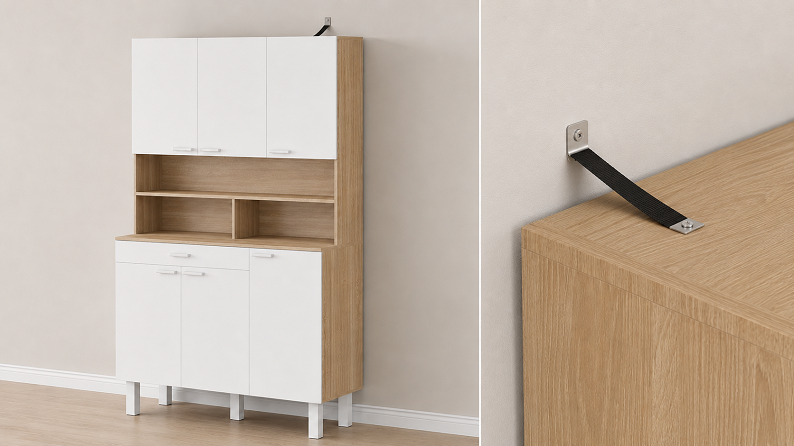
However, for tall cabinets, narrow cabinets, shallow cabinets, or units with heavier upper sections, wall fixing is still strongly recommended.

Safety organisations and furniture brands commonly advise securing tall or top-heavy furniture to the wall, especially where children may climb or pull on drawers, doors or shelves.
In simple terms:
Freestanding means flexible placement. It does not remove the need for anti-tip safety measures.
What Actually Determines Cabinet Stability?
A cabinet's stability is not decided by weight alone. It depends on several structural and usage factors working together.
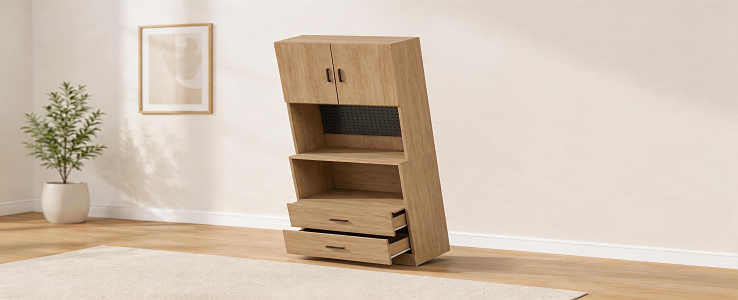
Cabinet Height: The Taller the Cabinet, the Higher the Tip-Over RiskTall cabinets have a higher centre of gravity. When doors are opened, drawers are pulled out, or the cabinet is bumped, the cabinet is more likely to move or lean forward.
This is especially important for:
Tall pantry cabinets
Narrow high storage cupboards
Combined upper-and-lower sideboards
Cabinets with glass doors or heavy door panels
If a cabinet is tall but not very deep, the risk increases further because the front-to-back support area is smaller. A tall unit may still be structurally sound, but it needs to be used correctly. Wall fixing is one of the most important safety steps for this type of cabinet.
This is especially important for:
Tall pantry cabinets
Narrow high storage cupboards
Combined upper-and-lower sideboards
Cabinets with glass doors or heavy door panels
If a cabinet is tall but not very deep, the risk increases further because the front-to-back support area is smaller. A tall unit may still be structurally sound, but it needs to be used correctly. Wall fixing is one of the most important safety steps for this type of cabinet.
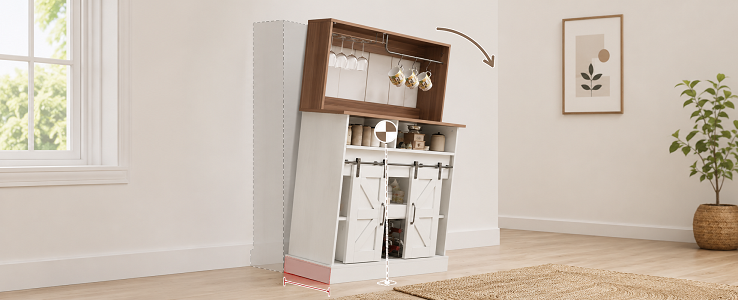
Cabinet Depth: The Shallower the Cabinet, the Weaker Its Front-to-Back StabilityMany cabinets are designed to fit small kitchens, apartments, hallways, laundry rooms or compact dining areas. To save space, they may be narrower or shallower.
This makes them practical, but it also means:
There is less base depth to resist forward movement.
When a door opens or a drawer slides out, the cabinet's weight distribution changes. A shallow cabinet is more affected by this shift.
Shallow cabinets are not a bad choice. They simply need more careful use:
Place them against a wall where possible.
Keep heavier items on lower shelves.
Use the anti-tip kit provided.
Avoid allowing children to climb, pull or hang on doors and shelves.
This makes them practical, but it also means:
There is less base depth to resist forward movement.
When a door opens or a drawer slides out, the cabinet's weight distribution changes. A shallow cabinet is more affected by this shift.
Shallow cabinets are not a bad choice. They simply need more careful use:
Place them against a wall where possible.
Keep heavier items on lower shelves.
Use the anti-tip kit provided.
Avoid allowing children to climb, pull or hang on doors and shelves.
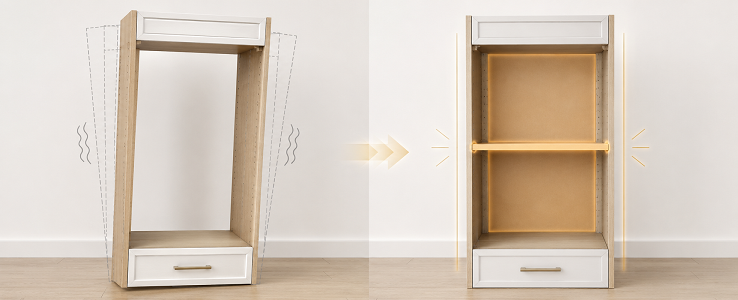
Back Panel Installation: The Back Panel Is Not Just a Decorative BoardThe back panel may look thin, but it has an important structural role in many flat-packed cabinets. For a cabinet made from panel components, the back panel helps complete the box structure. It helps keep the cabinet square and reduces side-to-side movement, also known as racking. Cabinet-making references commonly describe the back panel as a part that helps keep the cabinet box aligned and rigid.
If the back panel is missing, loose or incorrectly fitted, the cabinet may develop problems such as:
Side-to-side wobbling
Uneven door gaps
Shelves not sitting evenly
A cabinet body that is not square
Door alignment becoming worse over time
Even if the back panel looks thin, it should not be skipped unless the instruction manual clearly allows it.
If the back panel is missing, loose or incorrectly fitted, the cabinet may develop problems such as:
Side-to-side wobbling
Uneven door gaps
Shelves not sitting evenly
A cabinet body that is not square
Door alignment becoming worse over time
Even if the back panel looks thin, it should not be skipped unless the instruction manual clearly allows it.
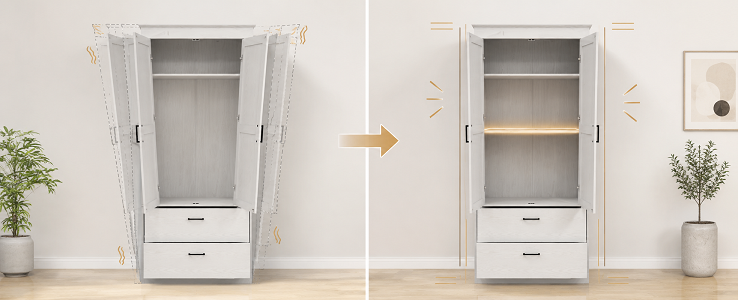
Fixed Shelves: Not Every Shelf Is Only for StorageSome shelves are adjustable. Others are fixed. This difference matters. An adjustable shelf is mainly used for storage flexibility. A fixed shelf may also help connect the side panels and control cabinet movement.
Removing a fixed shelf can reduce the cabinet's structural integrity.
It may cause:
A looser cabinet body
Increased side-to-side movement
More difficult door alignment
Lower load performance
Long-term deformation
If the manual does not clearly say a shelf can be removed, it should stay in place. A fixed shelf is not just a divider. In many cabinets, it is part of the structure.
Removing a fixed shelf can reduce the cabinet's structural integrity.
It may cause:
A looser cabinet body
Increased side-to-side movement
More difficult door alignment
Lower load performance
Long-term deformation
If the manual does not clearly say a shelf can be removed, it should stay in place. A fixed shelf is not just a divider. In many cabinets, it is part of the structure.
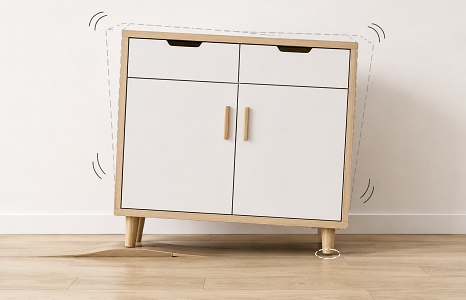
Floor Level: Uneven Flooring Can Make a Normal Cabinet Feel UnstableSometimes a cabinet wobbles not because the product is weak, but because the floor is uneven. Before judging the cabinet itself, check:
Are all four corners touching the floor?
Are the adjustable feet properly set?
Is the cabinet placed close to a wall?
Is a levelling pad or anti-slip pad needed?
Are all four corners touching the floor?
Are the adjustable feet properly set?
Is the cabinet placed close to a wall?
Is a levelling pad or anti-slip pad needed?
Weight Placement: A Full Cabinet Is Not Always a Safer CabinetThe basic rule is simple: Heavy items low, light items high.
A better storage principle is:
- Lower shelves: pots, pans, canned food, rice, flour, small kitchen appliances
- Middle shelves: tableware, pantry items, cleaning supplies
- Upper shelves: tissue, light food packaging, light decor, spare linens
A better storage principle is:
- Lower shelves: pots, pans, canned food, rice, flour, small kitchen appliances
- Middle shelves: tableware, pantry items, cleaning supplies
- Upper shelves: tissue, light food packaging, light decor, spare linens
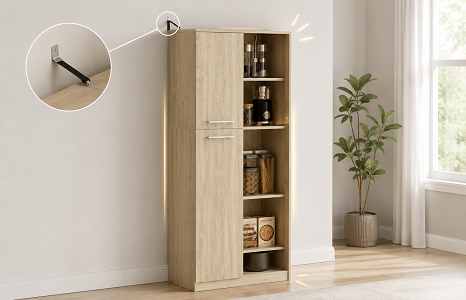
Wall Fixing: The Final Safety Line for Tall CabinetsWall fixing is especially important when:
Children live in the home
Pets may jump or push against furniture
Older adults use the space
The cabinet is tall or narrow
The floor is uneven
Heavy items will be stored inside
Doors or drawers will be opened frequently
Children live in the home
Pets may jump or push against furniture
Older adults use the space
The cabinet is tall or narrow
The floor is uneven
Heavy items will be stored inside
Doors or drawers will be opened frequently
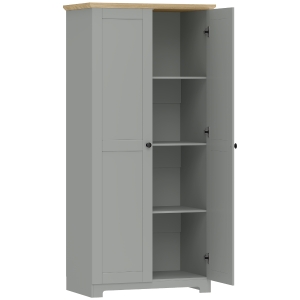
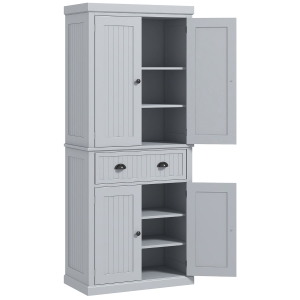
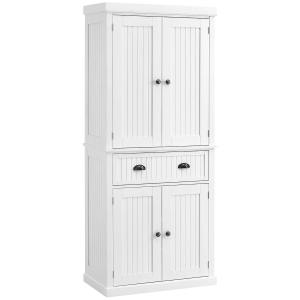
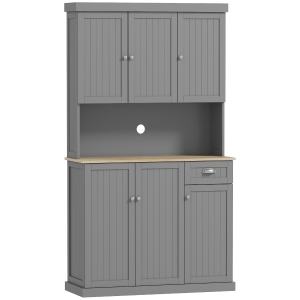
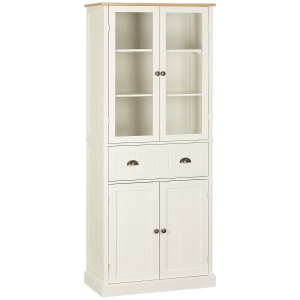
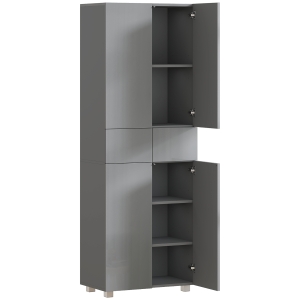
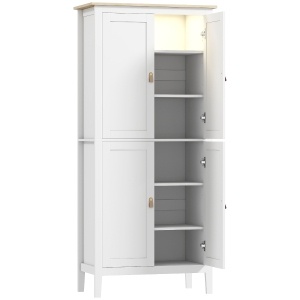
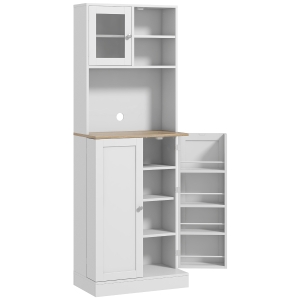
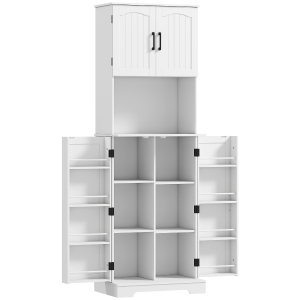
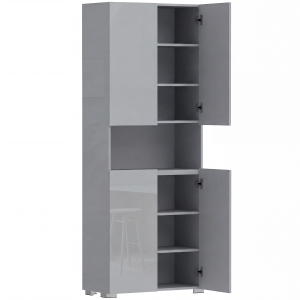
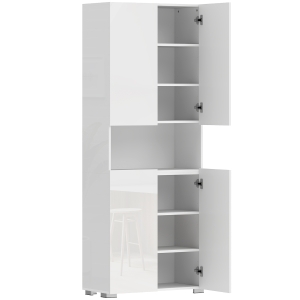
Discover sturdy and durable kitchen cabinets



Why Does a Cabinet Wobble During Assembly?
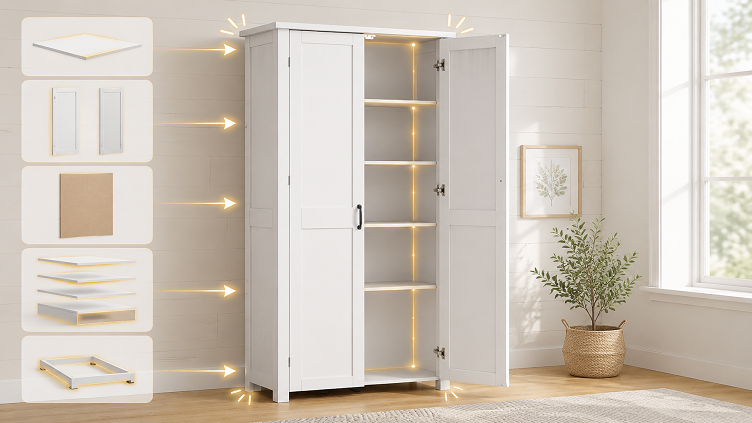

Flat-packed cabinets often become stable only after all key components are installed
Side panels
Top panel
Bottom panel
Fixed shelves
Back panel
Doors
Drawers
Anti-tip fittings
Top panel
Bottom panel
Fixed shelves
Back panel
Doors
Drawers
Anti-tip fittings
Note
The back panel and fixed shelves are particularly important because they help the cabinet become square and rigid.
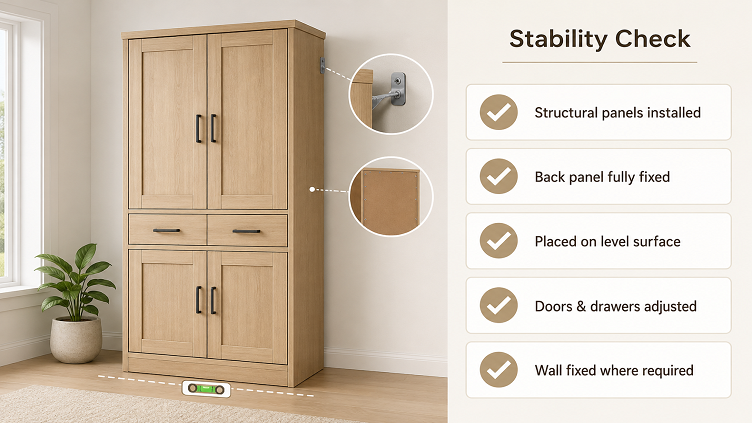

A more reasonable stability check should happen only after:
All structural panels are installed.
The back panel is fully fixed.
The cabinet is placed on a level surface.
Doors and drawers are adjusted.
The cabinet is fixed to the wall where required.
The back panel is fully fixed.
The cabinet is placed on a level surface.
Doors and drawers are adjusted.
The cabinet is fixed to the wall where required.
Note
A half-built cabinet can wobble. A correctly completed cabinet should feel much more stable.
How to Improve Cabinet Stability?
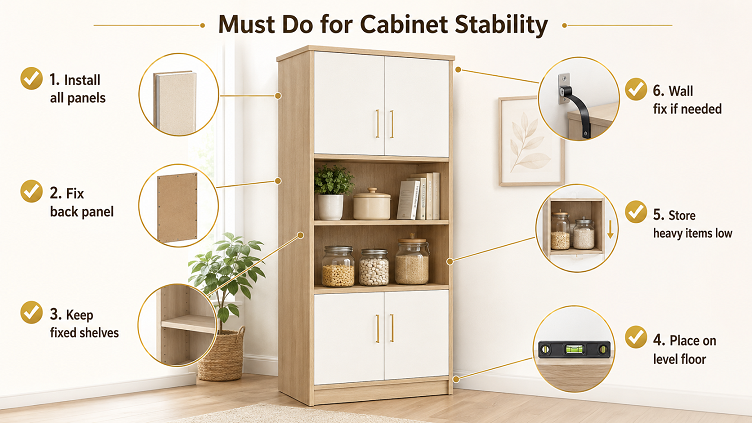

Do's
Secure Tall Cabinets to the Wall
Place Heavy Items on Lower Shelves
Install the Back Panel Correctly
Check Whether the Floor Is Level
Note
Use the mounting parts supplied with the product, such as: Anti-tip strap, Anti-dumping belt, Wall anchor, Wall fixing kit, Furniture restraint kit.
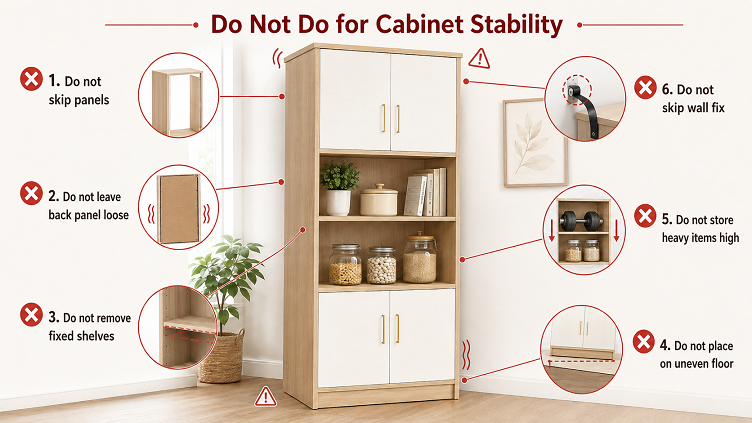

Not Do's

Do Not Remove Fixed Shelves
Do Not Fully Tighten Every Screw Too Early
Do Not Allow Children to Climb or Pull on Cabinet Doors
Note
Position first. Align the frame. Then tighten gradually. This helps the cabinet settle into the correct shape before final tightening.
Tightening screws successively and evenly at the end of assembly prevents stress in the cabinet body and makes future adjustments easier.
Tightening screws successively and evenly at the end of assembly prevents stress in the cabinet body and makes future adjustments easier.
What Is Normal Adjustment, and What May Be a Quality Issue?
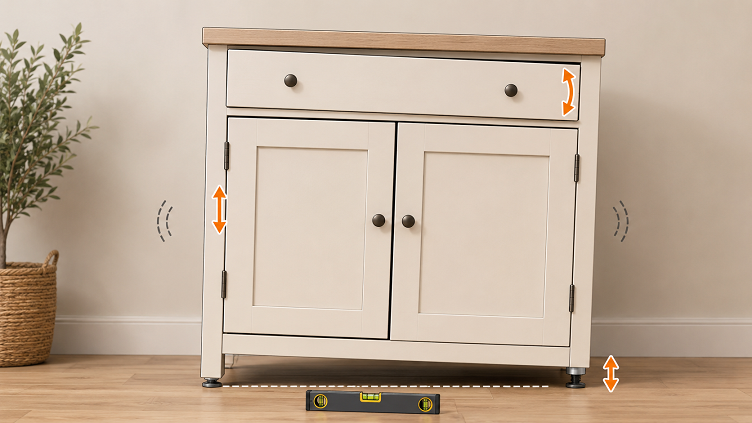

Normal Adjustment Range
The cabinet feels loose before the back panel is installed.
Door gaps are uneven before hinge adjustment.
Drawers do not slide perfectly before the runners are aligned.
The cabinet wobbles slightly on an uneven floor.
The cabinet feels more stable after wall fixing.
Tips
These are common adjustment points during cabinet assembly.
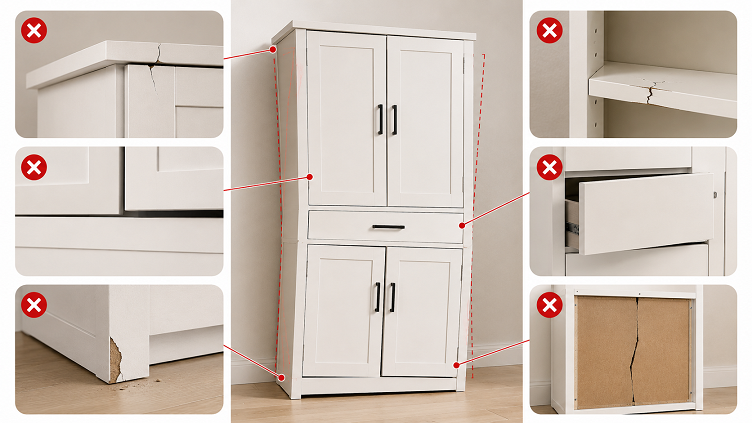

Possible Quality Issues
Panels are visibly warped.
Pre-drilled holes are seriously misaligned.
Key structural boards are cracked or broken.
Panel dimensions do not match.
Important fittings are missing.
Wall fixing or structural connectors cannot be installed.
Tips
Before assembly, check all parts and fittings. If possible, take photos of damaged panels, missing parts or misaligned holes before continuing. Keeping the packaging until the cabinet is fully checked can also make after-sales handling easier.
Stability Explanation Ready for Customer-Facing Use
A freestanding cabinet is designed for flexible placement, but it should still be used with proper stability precautions. Cabinet stability depends on height, depth, weight placement, back panel installation, fixed shelves, floor level and wall fixing. Tall or narrow cabinets are more sensitive to forward movement, especially when doors or drawers are opened. To improve safety, secure the cabinet to the wall where recommended, keep heavy items low, avoid removing structural shelves, and make sure the cabinet is fully assembled and level before use.
References
1. British Standards Institution. (2015). BS EN 14749:2016 - Domestic and kitchen storage furniture and kitchen worktops. Safety requirements and test methods.
2. British Standards Institution. (2017).BS EN 16121:2013+A1:2017 - Non-domestic storage furniture. Requirements for safety, strength, durability and stability.
3. Furniture Industry Research Association. (2020).FIRA Standard: Stability and attachment of storage furniture in domestic environments.
4. Royal Society for the Prevention of Accidents. (2019).Home safety: Guide to preventing furniture and TV tip-overs. Birmingham: RoSPA.
5. European Committee for Standardization. (2020).EN 1022:2018 - Furniture - Seating - Determination of stability. Brussels: CEN.
2. British Standards Institution. (2017).BS EN 16121:2013+A1:2017 - Non-domestic storage furniture. Requirements for safety, strength, durability and stability.
3. Furniture Industry Research Association. (2020).FIRA Standard: Stability and attachment of storage furniture in domestic environments.
4. Royal Society for the Prevention of Accidents. (2019).Home safety: Guide to preventing furniture and TV tip-overs. Birmingham: RoSPA.
5. European Committee for Standardization. (2020).EN 1022:2018 - Furniture - Seating - Determination of stability. Brussels: CEN.
About the Author
Dr. Jack Taylor
Dr. Jack Taylor is a specialist in domestic furniture engineering, structural integrity, and consumer product safety. His work focuses on aligning flat-packed furniture design with everyday usage stability, environmental conditions (such as floor leveling), and user behavior. He has collaborated with standard institutions and independent testing laboratories across the United Kingdom, with particular expertise in anti-tip mechanics, panel performance under lateral stress, and practical wall-fixing strategies for domestic living environments.
Dr. Jack Taylor is a specialist in domestic furniture engineering, structural integrity, and consumer product safety. His work focuses on aligning flat-packed furniture design with everyday usage stability, environmental conditions (such as floor leveling), and user behavior. He has collaborated with standard institutions and independent testing laboratories across the United Kingdom, with particular expertise in anti-tip mechanics, panel performance under lateral stress, and practical wall-fixing strategies for domestic living environments.