Min
Litter Boxes






















Stainless Steel Cat Litter Boxes
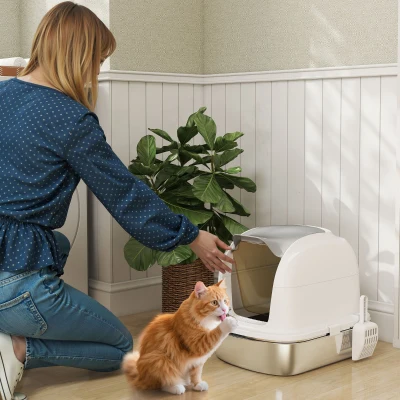
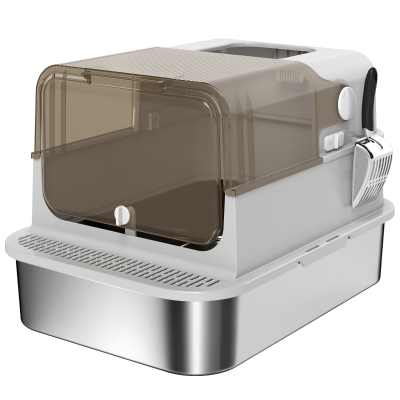
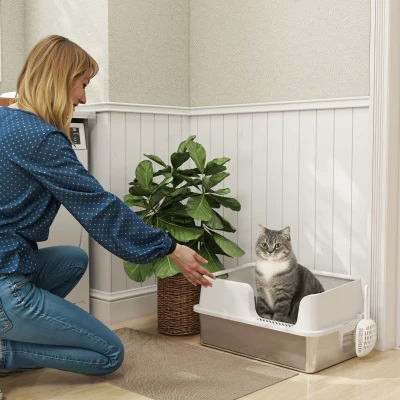
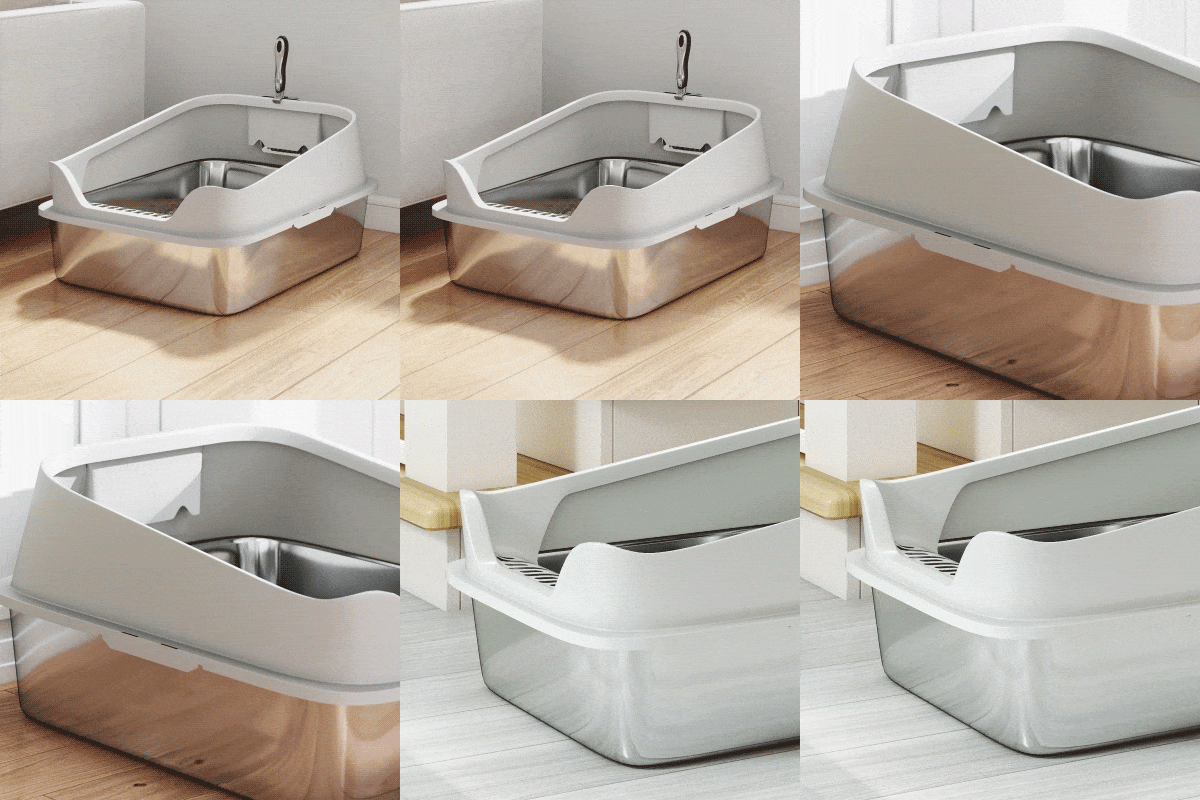
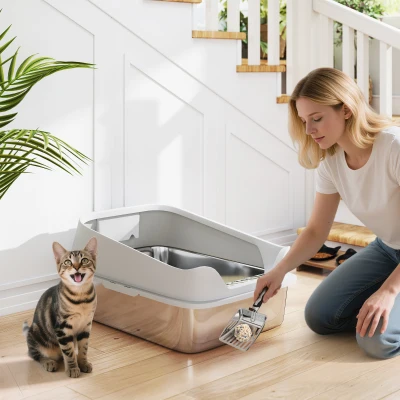
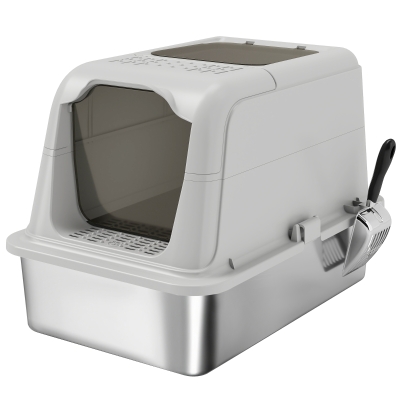
Stainless steel cat litter boxes are available in open-top, high-sided and enclosed designs. Their smooth metal trays are easy to wipe and wash, while removable lids and raised sides can help contain scattered litter. The PawHut range includes different sizes and entry configurations for cats with different needs.
Stainless Steel Litter Boxes with Lids
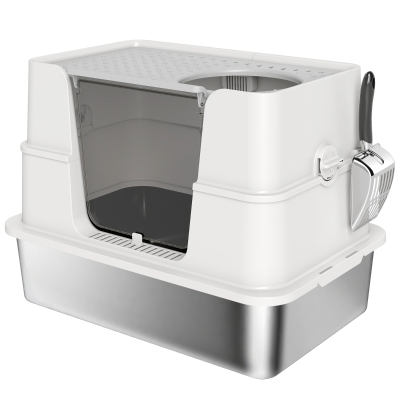
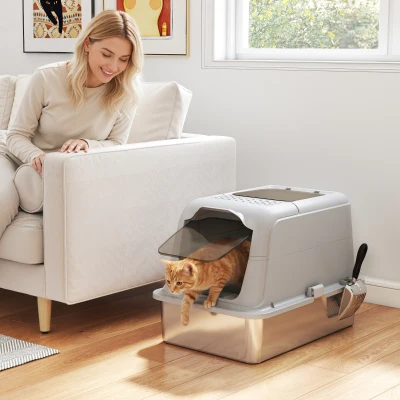
A stainless steel litter box with a lid combines a metal litter tray with a covered upper section. Enclosed designs can help reduce litter scattering, while removable or flip-up covers provide access for cleaning. However, covered litter boxes are not suitable for every cat, and regular cleaning remains essential.
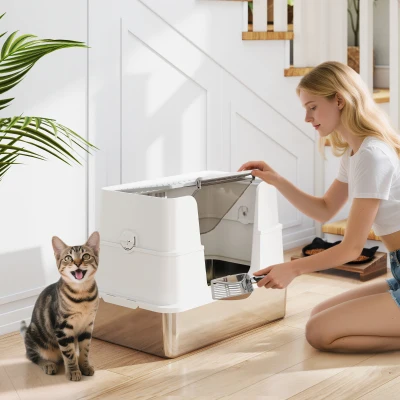
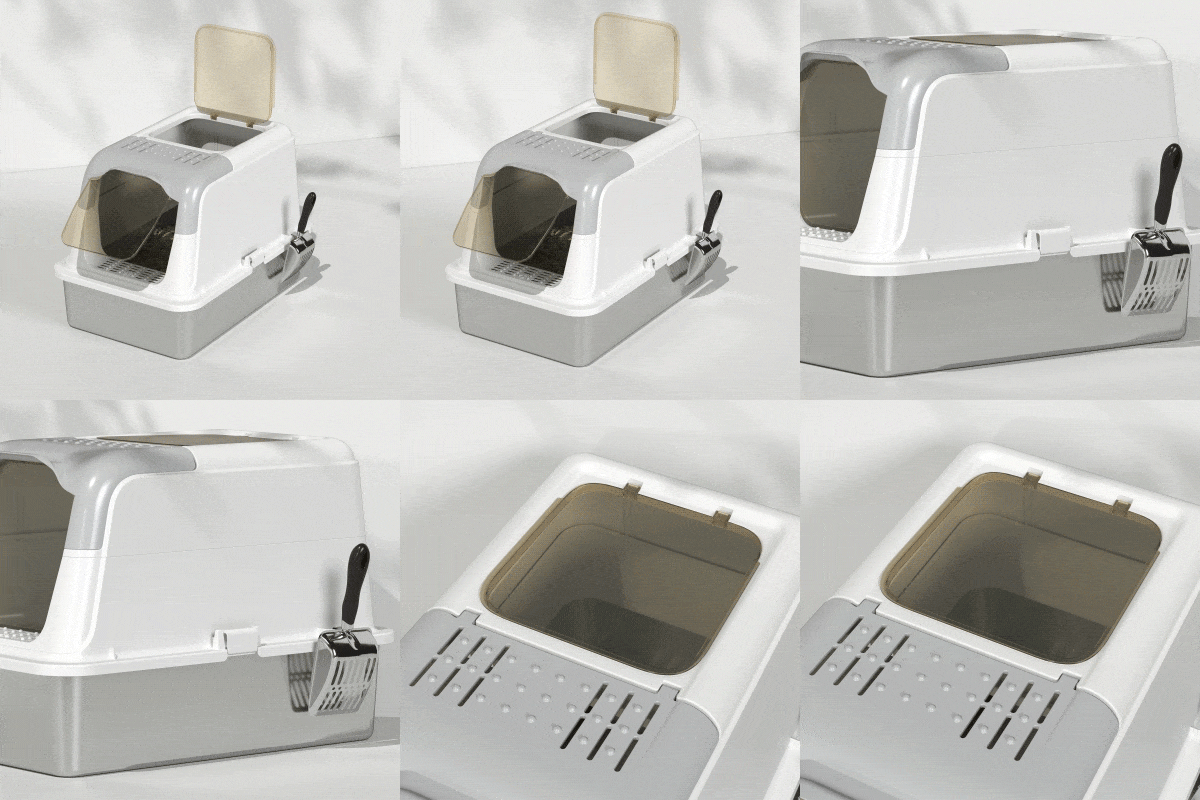
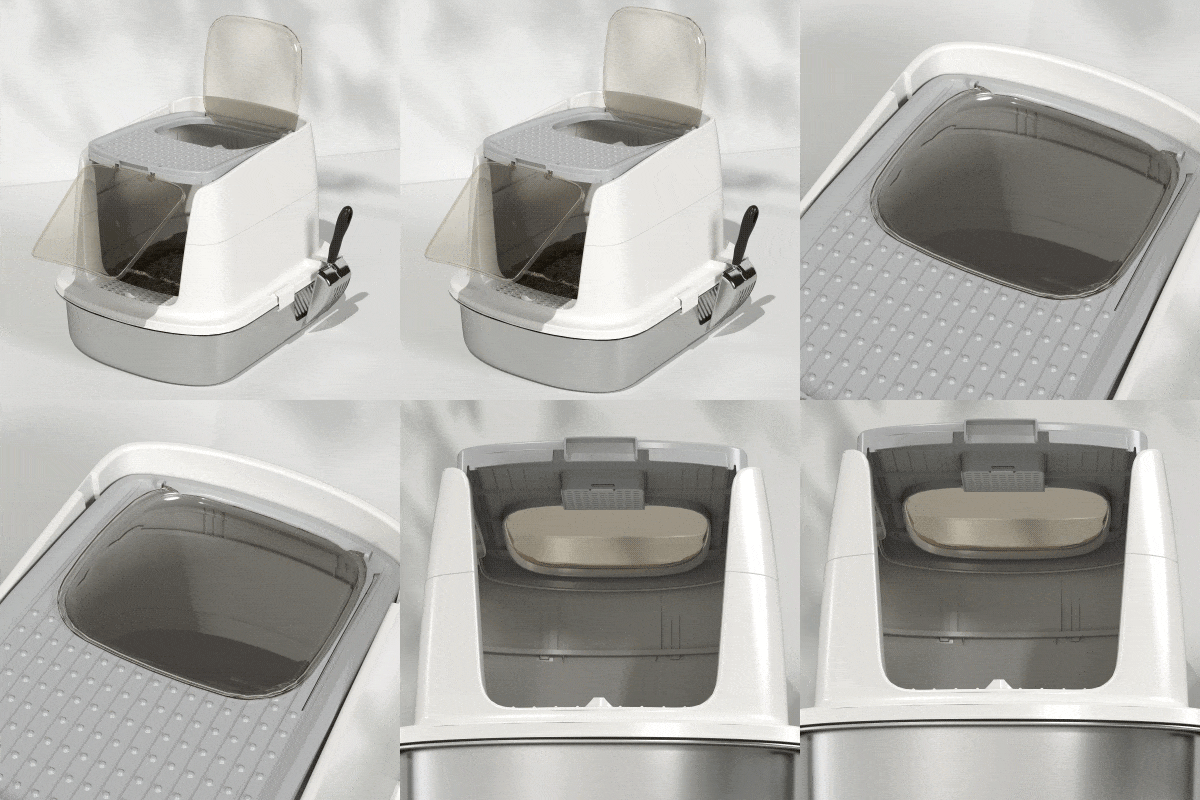
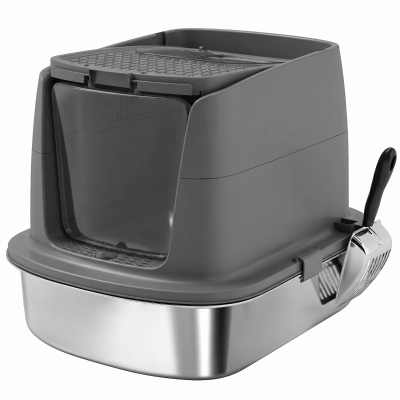
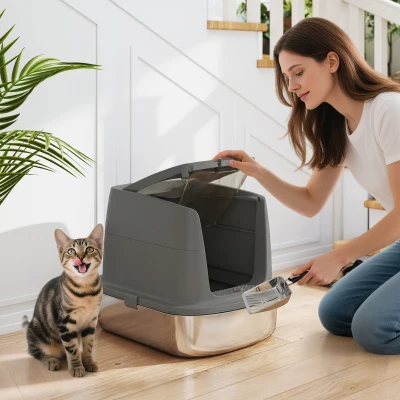
The PawHut enclosed stainless steel cat litter box with a flip-up lid measures 52.4 x 41.3 x 42 cm. It includes a stainless steel base, a front entrance, a litter scoop and a deodoriser pack. The lid can be lifted for access to the tray during cleaning.
When choosing an enclosed stainless steel litter tray, check the interior dimensions, entrance height and whether the cover can be removed or opened without dismantling the entire unit.
Large Stainless Steel Litter Trays
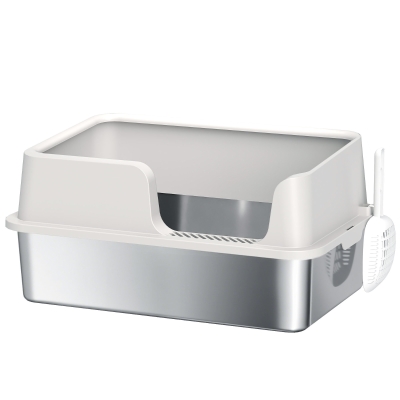
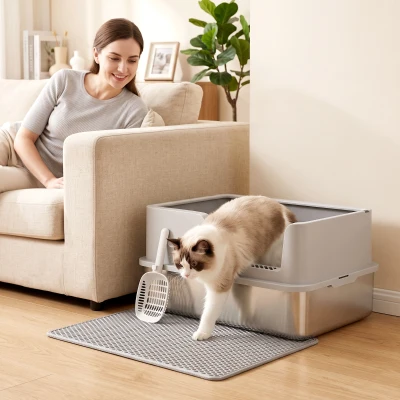
Large cat litter trays provide more room for cats to enter, turn around, dig and cover their waste. High-sided designs can help contain scattered litter while retaining an open top. This can be useful for cats that prefer an uncovered toilet area.
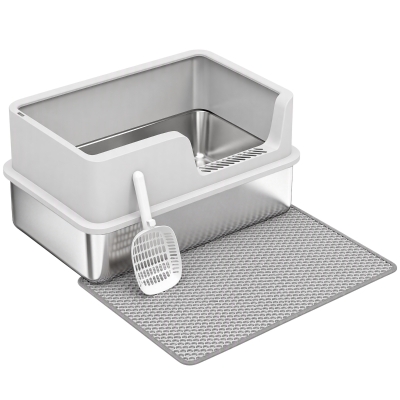
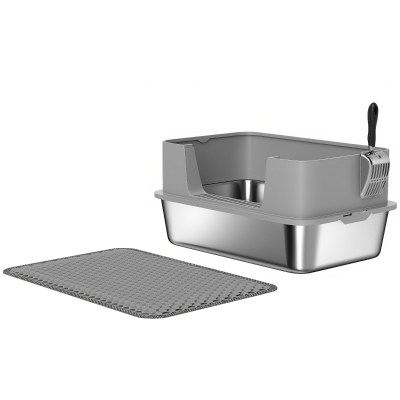
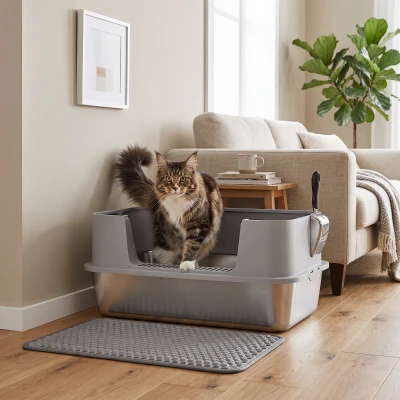
The PawHut XXL stainless steel cat litter box with high sides and a scoop measures 69.8 x 50.3 x 29.8 cm. It features a stainless steel tray, raised surrounding walls and an entrance area designed to help collect loose litter.
For larger cats, compare the usable internal floor area rather than relying only on the XL or XXL label. Your cat should be able to enter, turn and dig comfortably without feeling restricted.
Covered and Open Cat Litter Trays
Hooded Cat Litter Boxes
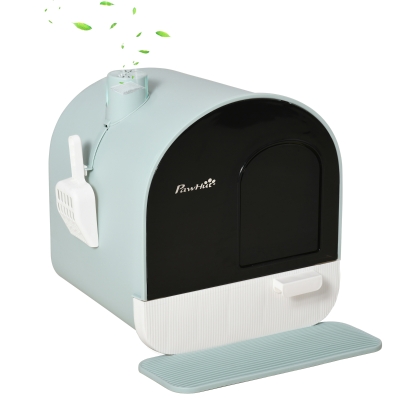
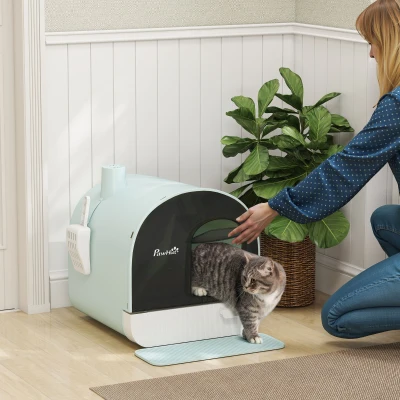
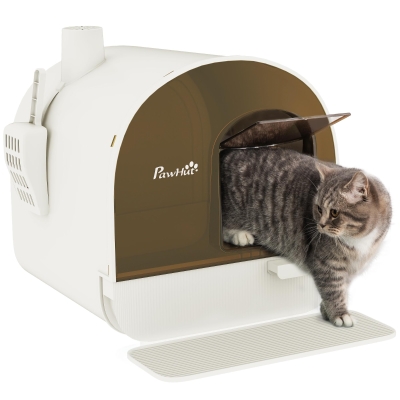
Hooded cat litter boxes use an enclosed upper section to separate the litter area from the surrounding room. Some designs include flap doors, removable covers, ventilation openings or deodorising compartments.
Covered trays can help contain scattered litter, but they may also retain odours inside if cleaning is neglected. Some cats prefer an open tray because it provides easier access and a clearer view of their surroundings.
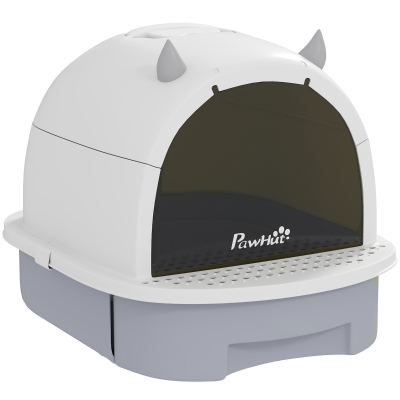
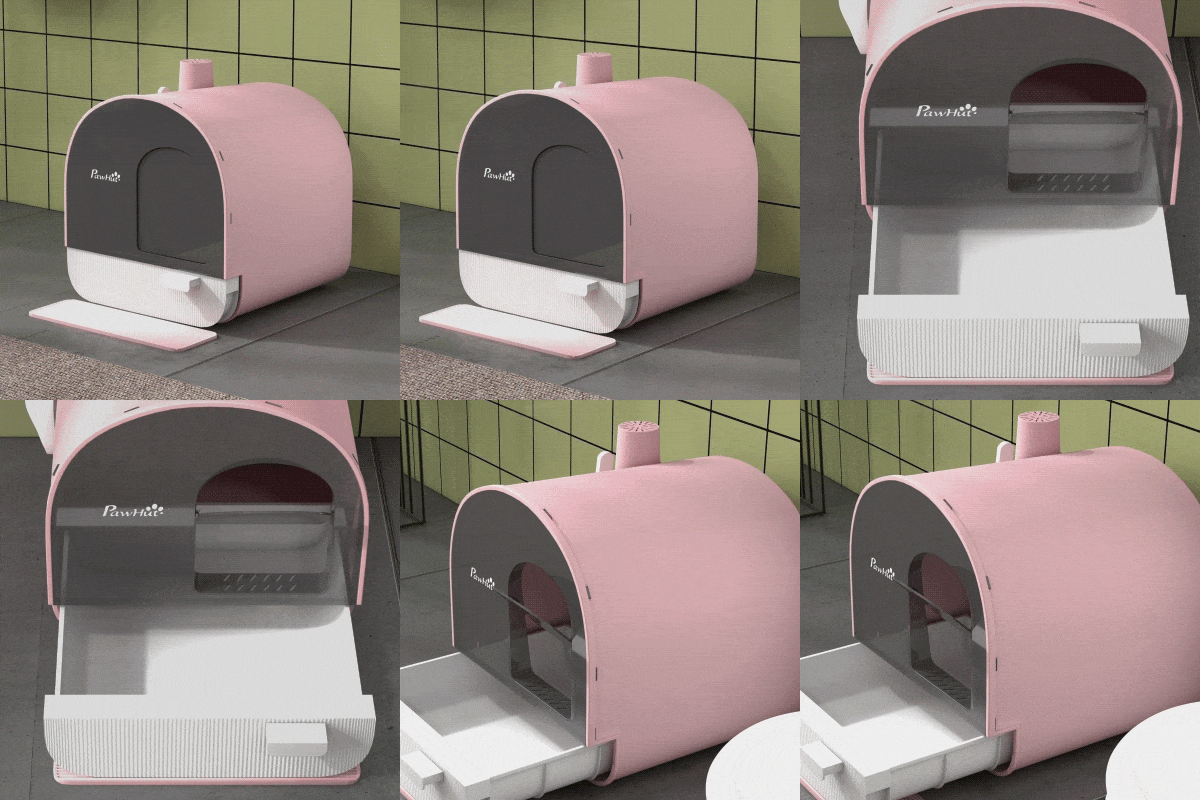
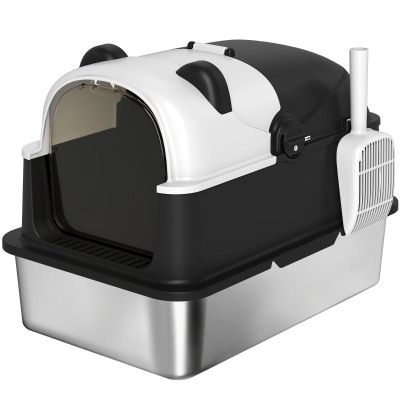
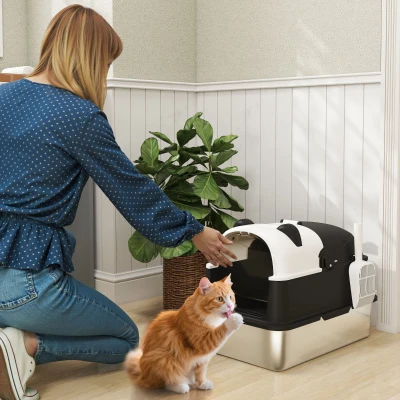
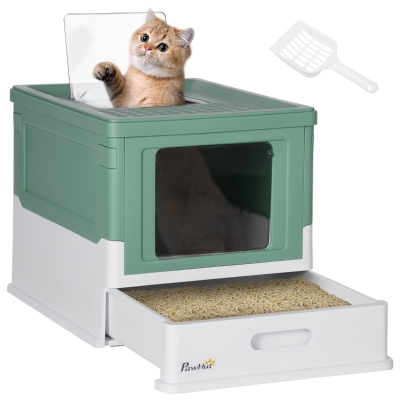
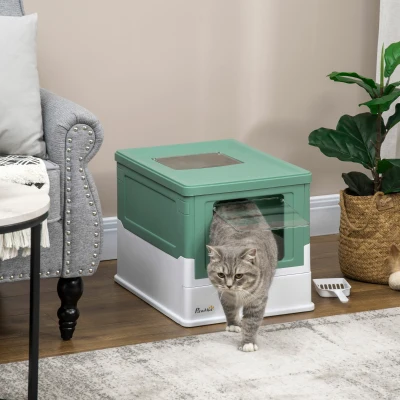
The PawHut hooded cat litter box with a pull-out cleaning drawer measures 43 x 44 x 47 cm. It includes a front entrance, a removable drawer-style tray and a litter scoop. This model is specified for smaller cats weighing under 5 kg.
Cat Litter Boxes with Pull-Out Drawers
Pull-out litter trays allow owners to access the litter compartment without removing the entire upper housing. These designs can be convenient for routine scooping and litter replacement, provided the drawer slides out completely and can be cleaned thoroughly.
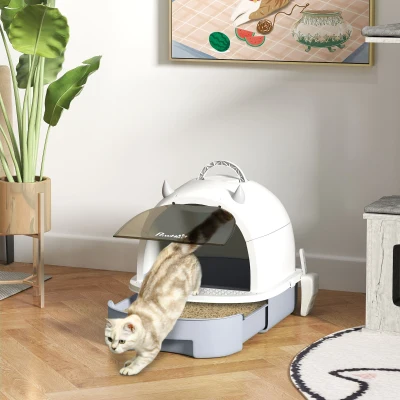
The PawHut enclosed cat litter box with a pull-out drawer and top exit measures 48 x 35 x 36 cm. It includes a front entrance, grated top exit, litter scoop and deodorisation bags. This specific model is designed for smaller cats weighing up to 4 kg.
When comparing drawer-style cat litter trays, check whether the entrance and interior height are suitable for your cat, particularly if it is large, elderly or has mobility difficulties.
Foldable Cat Litter Boxes
Foldable litter boxes can reduce the space required for storage when not in use. Their enclosed structures may include removable trays, access doors and cleaning accessories. Compare both the assembled and folded dimensions before choosing one for a compact home or occasional travel.
The PawHut foldable cat litter tray with a flip-up lid and scoop measures 52 x 41 x 38 cm when assembled and folds down to a height of 14.5 cm for storage. It is specified for cats weighing up to 5 kg.
Self-Cleaning and Automatic Cat Litter Boxes
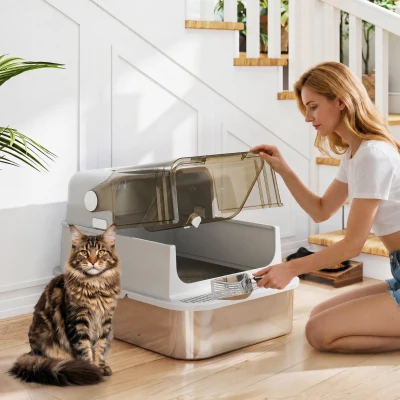
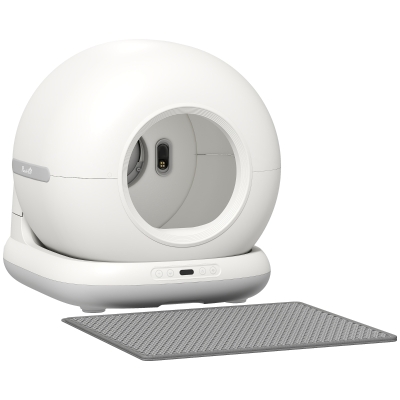
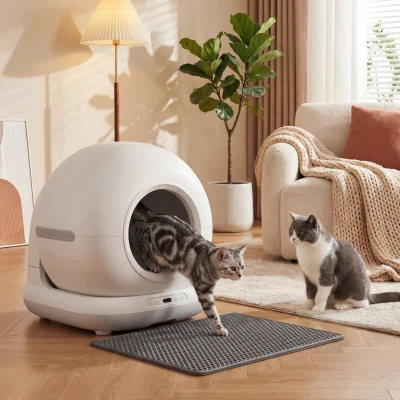
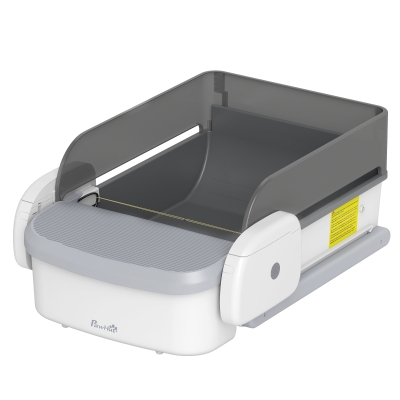
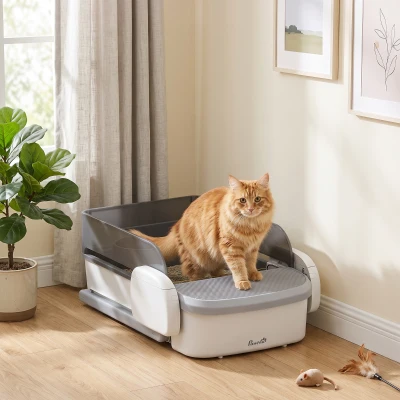
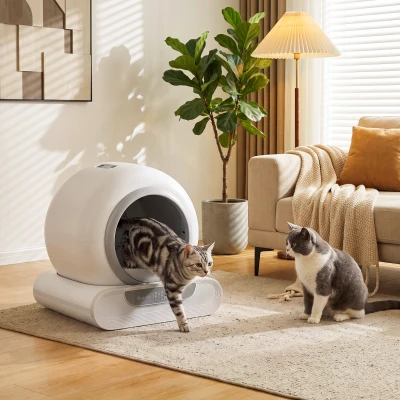
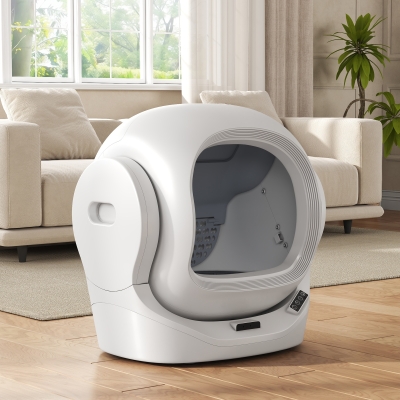
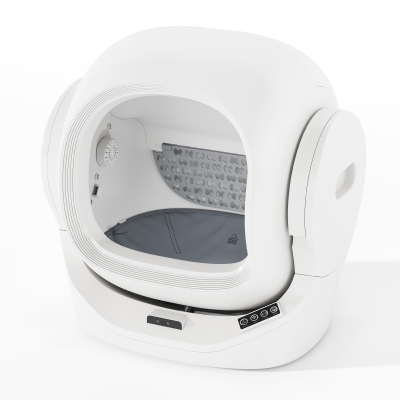
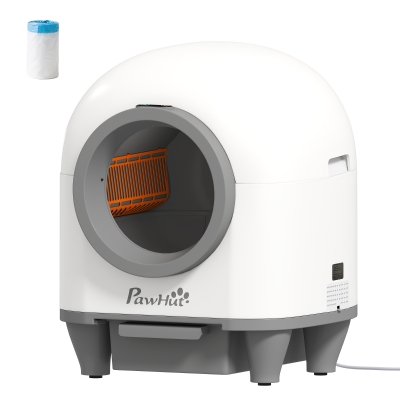
Automatic cat litter boxes use a powered cleaning mechanism to separate waste from clean litter and transfer it into a collection compartment. Depending on the product, features may include sensors, adjustable cleaning cycles, waste-bin monitoring and app connectivity.
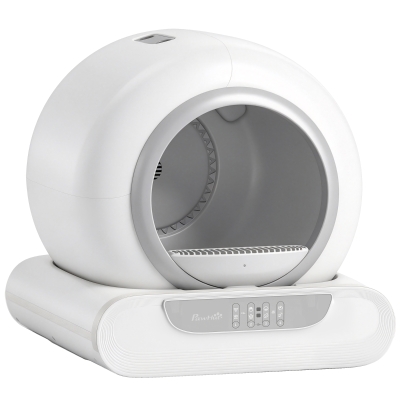
The PawHut automatic self-cleaning cat litter tray with a top-opening design uses infrared sensors to monitor the cleaning process. It has an 8L waste collection compartment and operates without an app. The manufacturer specifies this model for cats weighing 1-5 kg.
Automatic litter boxes still require regular inspection, waste disposal and cleaning. Always follow the manufacturer's safety instructions, check cat size and weight restrictions, and introduce a new automatic system gradually so your cat can become familiar with it.
How to Choose the Right Cat Litter Box
Choose the Correct Litter Tray Size
A cat litter tray should provide sufficient room for your cat to enter, turn around, dig and cover its waste. A common welfare recommendation is a tray at least one and a half times the length of the cat, measured from the nose to the base of the tail.
Check the usable internal dimensions rather than just the exterior size. Large cats may need wider, longer trays, while kittens and older cats may benefit from easier access and a lower entrance.
Stainless Steel vs Plastic Litter Boxes
Stainless steel and plastic cat litter trays have different cleaning and construction characteristics. Stainless steel has a smooth, non-porous surface that is relatively easy to wash and does not absorb moisture. Plastic trays are available in a wide range of shapes, including lightweight enclosed and foldable designs.
Regardless of material, litter boxes need regular cleaning and should be replaced if damaged or difficult to keep hygienic. Compare tray weight, surface finish, accessibility and cleaning requirements before purchasing.
Open-Top vs Enclosed Litter Boxes
- Open-top litter trays: Provide unrestricted overhead space and easy access for cleaning.
- High-sided litter boxes: Can help contain scattered litter while leaving the top open.
- Hooded litter trays: Provide a covered design but may restrict movement or retain odours if not cleaned regularly.
- Top-entry litter boxes: Require cats to enter or exit through an opening in the upper section and may not suit cats with limited mobility.
- Automatic litter boxes: Use powered cleaning mechanisms and require careful attention to compatibility, safety and maintenance.
Choosing Litter Boxes for Multiple Cats
Households with more than one cat should provide multiple litter trays in separate, accessible locations. A commonly recommended starting point is one tray per cat plus one additional tray. This gives cats a choice and reduces competition for access.
Do not assume that a larger litter box or an automatic cleaning system removes the need for additional trays in a multi-cat household.
Where to Place a Cat Litter Tray
Place litter trays in quiet, accessible locations away from food and drinking water. Avoid areas with frequent disturbances, such as busy doorways or noisy appliances. Cats should be able to reach their litter boxes without being blocked by other pets.
Allow sufficient clearance around covered and drawer-style litter boxes so that access doors and cleaning compartments can open fully.
Cleaning and Odour Management
Remove waste from cat litter trays at least daily, or more frequently when needed. Replace litter and wash the tray regularly using cleaning products that are safe for cats. Strong fragrances may discourage some cats from using their trays.
Deodorising filters, covered lids and smooth stainless steel surfaces can support litter box maintenance, but they do not replace regular cleaning. Follow the product instructions for washing removable components and maintaining automatic cleaning mechanisms.
Frequently Asked Questions About Cat Litter Boxes
Are stainless steel litter boxes better than plastic?
Stainless steel litter boxes have smooth, non-porous surfaces that are generally easy to clean, while plastic trays offer a wider range of shapes and lightweight designs. Neither material automatically prevents odours or litter scattering. The best choice depends on your cat's preferences and the tray's size, accessibility and maintenance requirements.
Do stainless steel litter boxes come with lids?
Yes. Stainless steel cat litter boxes are available in both open-top and covered designs. Some combine a metal lower tray with a removable or flip-up plastic cover. Check the product specifications to confirm the lid, entrance configuration and included accessories.
Are covered cat litter boxes better for preventing smells?
Covered litter boxes can help contain litter and limit the immediate spread of some odours into a room. However, smells may accumulate inside the enclosure if it is not cleaned regularly. Some cats prefer uncovered trays, so their comfort should remain the priority.
What size litter box does a large cat need?
Choose a litter box that allows the cat to enter, turn around and dig comfortably. As a general guideline, the tray should be at least one and a half times the cat's nose-to-tail-base length. Check internal measurements rather than relying only on labels such as large, XL or XXL.
Are high-sided litter trays suitable for kittens?
High-sided litter trays may be difficult for very young kittens or cats with restricted mobility to access. A lower entrance can make getting in and out easier. Choose an entry height appropriate for your cat's age, size and mobility.
Do automatic cat litter boxes need to be cleaned?
Yes. Automatic litter boxes collect waste mechanically, but the waste compartment still needs emptying and the system requires regular inspection and cleaning. Follow the manufacturer's instructions for suitable litter, cleaning cycles, safety features and maintenance.
How many litter boxes should I have for two cats?
A commonly recommended arrangement is three litter trays for two cats, placed in separate accessible locations. Individual cats may have different preferences, and providing several toilet areas helps reduce competition.
How often should cat litter trays be cleaned?
Remove solid waste and soiled litter at least daily. The tray should also be emptied, cleaned and refilled regularly, with frequency depending on litter type, usage and the number of cats. Always use cat-safe cleaning products and avoid strong fragrances.
For other products used in everyday cat care, browse Cat Supplies.
Showing
1-30
of
63
Results
Popular searches
0 of 5 items