



Min







































Pet Supplies: How Material Selection Extends Product Life and Safety
Choosing the right pet supplies is about more than just aesthetics or price; it is fundamentally a question of material science. With PawHut’s current Valentine’s Day promotion featuring over 890 pet supplies items, understanding the durability and suitability of different materials is the key to making a purchase that remains safe, functional, and hygienic for the lifespan of your pet. Whether you are outfitting a kitten or securing a garden coop, the substrate matters as much as the design.
Indoor Living: Wood, Particle Board, and Wicker/Rattan
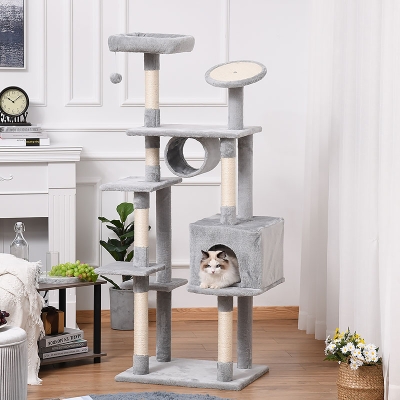
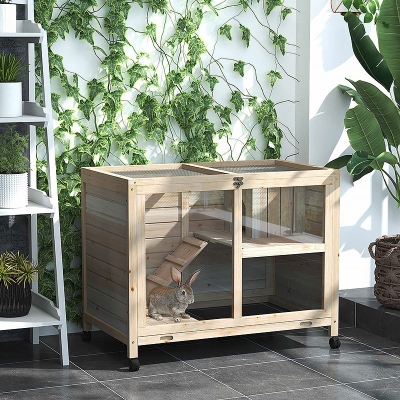
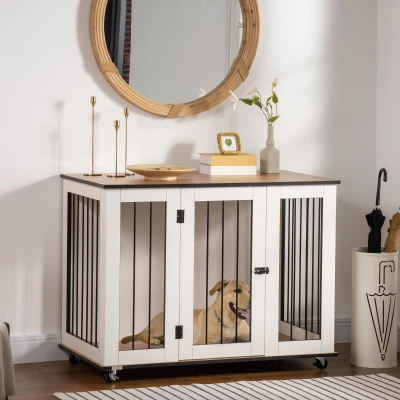
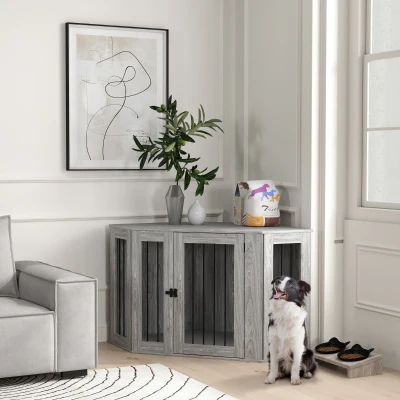
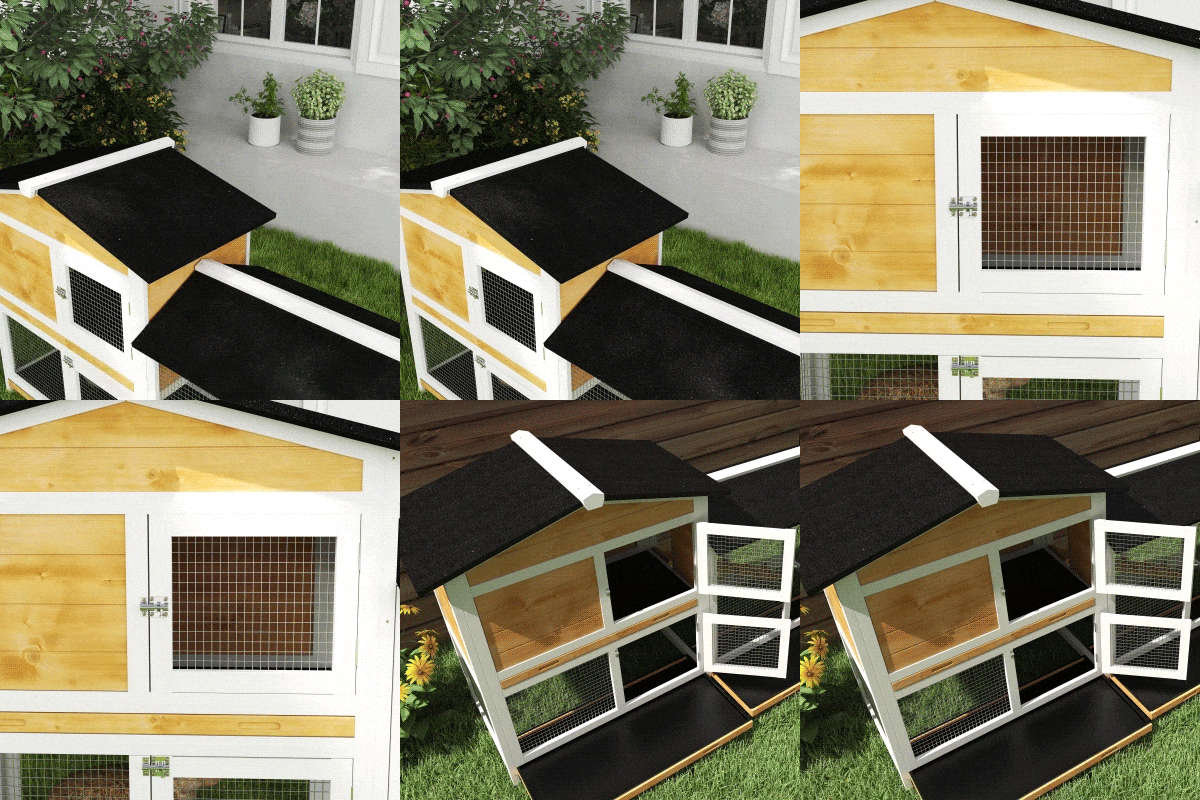
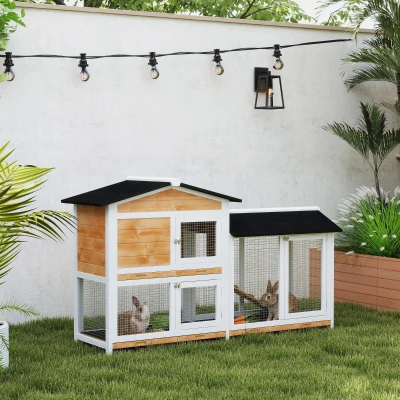
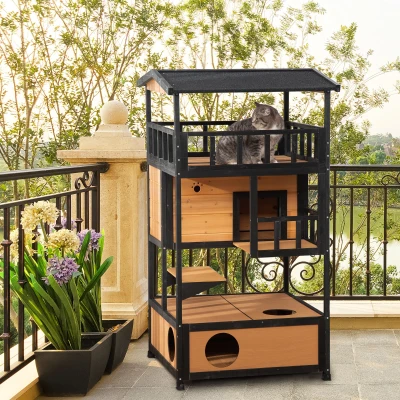
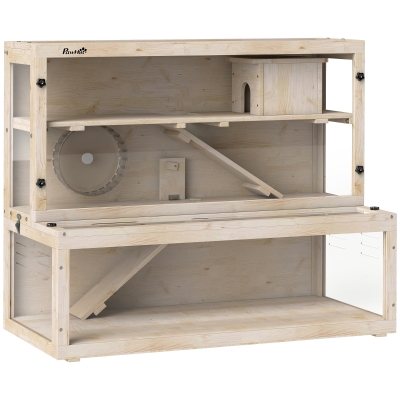
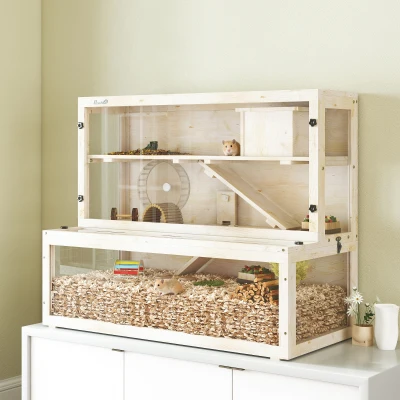
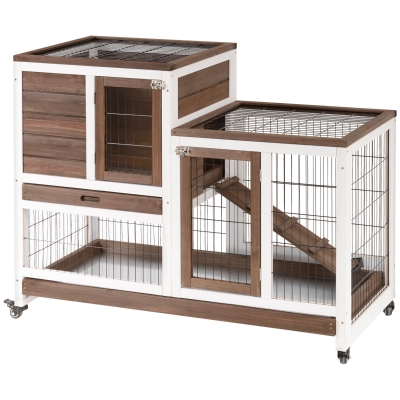
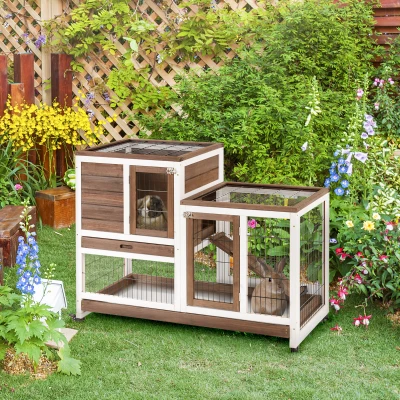
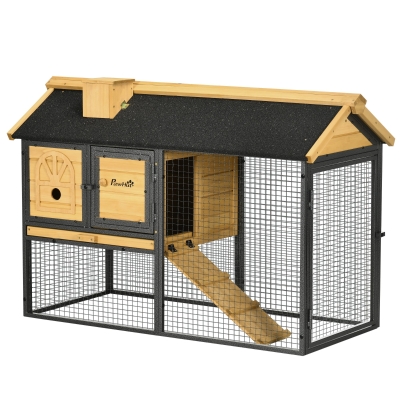
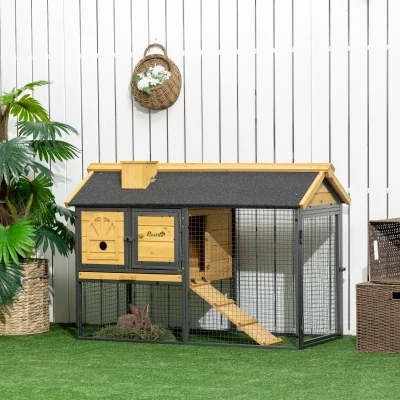
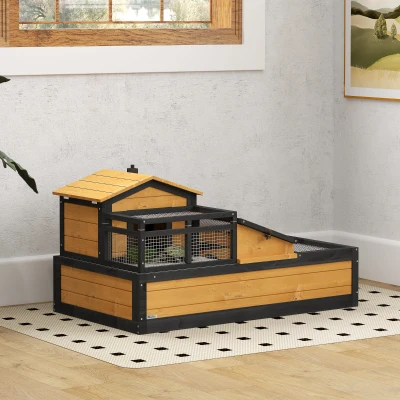
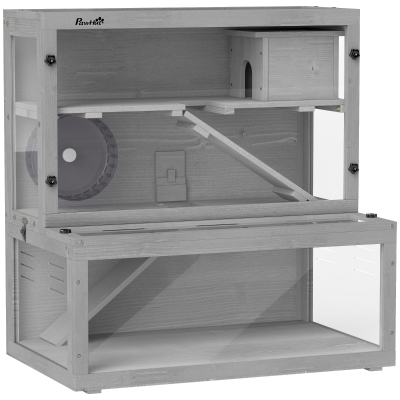
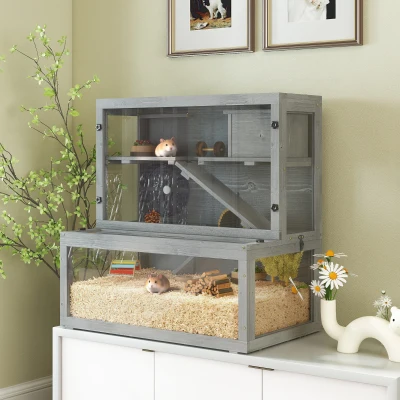
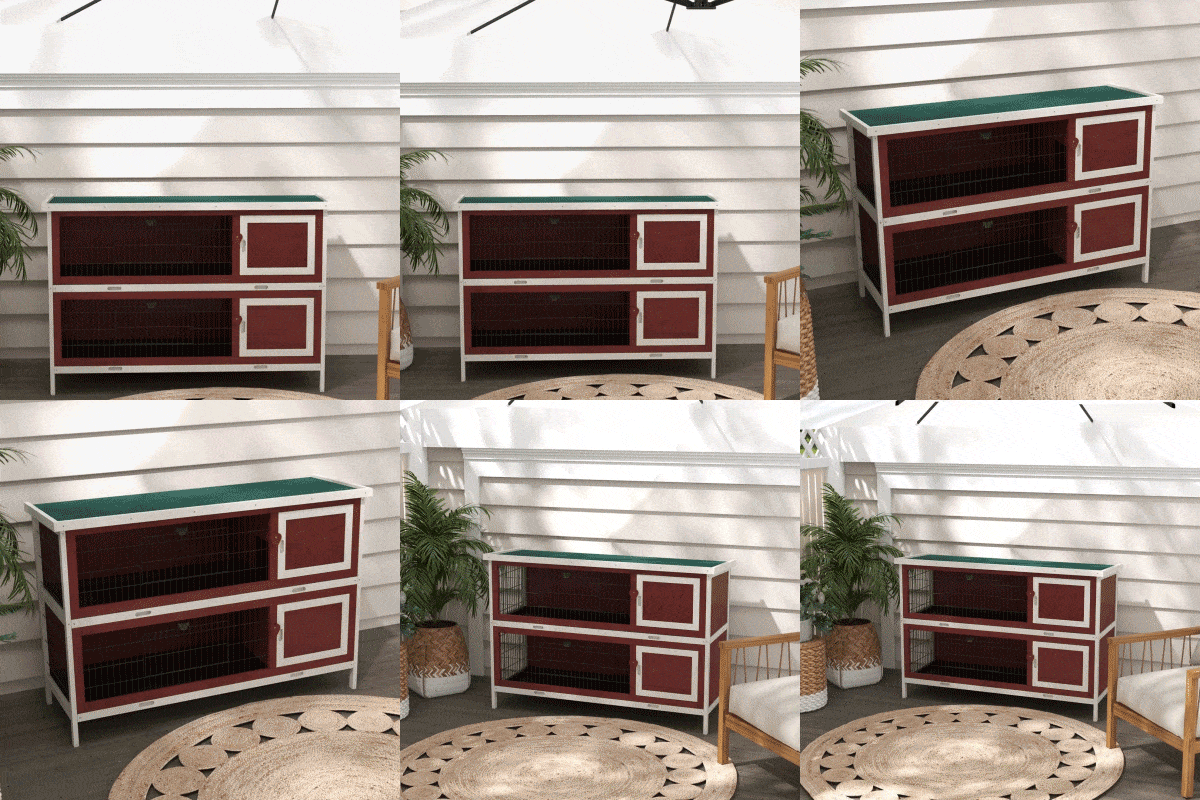
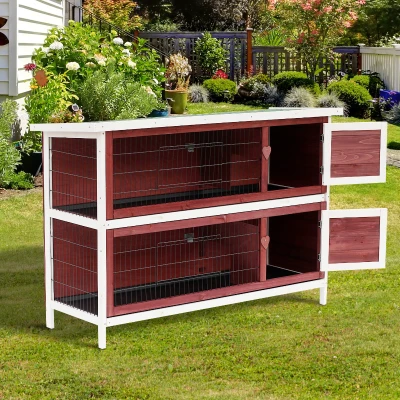
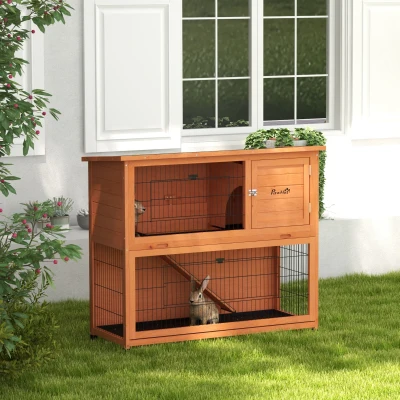
For indoor pet supplies such as cat trees, dog crates, and rabbit hutches, the structural core is usually engineered wood. Particle Board (available in 111 models) offers an excellent balance of weight and affordability; it is the primary material in bestsellers like the PawHut 130cm Multi-Level Cat Tree. However, for areas prone to moisture—such as hutches with attached runs or homes with humid conservatories—Fir Wood (24 options) provides superior resistance to warping. The PawHut Wooden Rabbit Hutch (Grey) utilises solid fir, making it suitable for year-round indoor placement. For a more rustic aesthetic, Wicker / Rattan (7 models) offers lightweight, chew-resistant beds, though these are best suited to calm, adult pets rather than persistent gnawers.
Outdoor & High-Wear: Galvanised vs. Stainless Steel
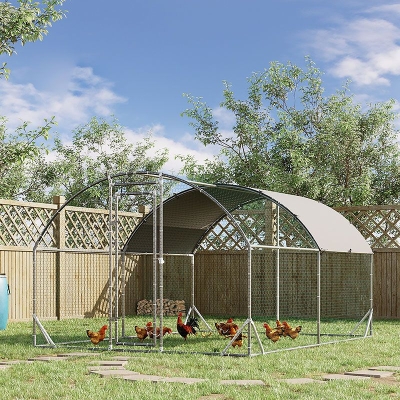
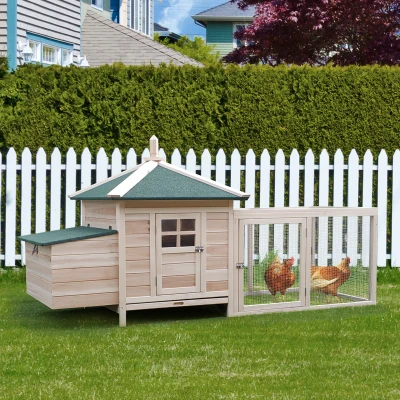
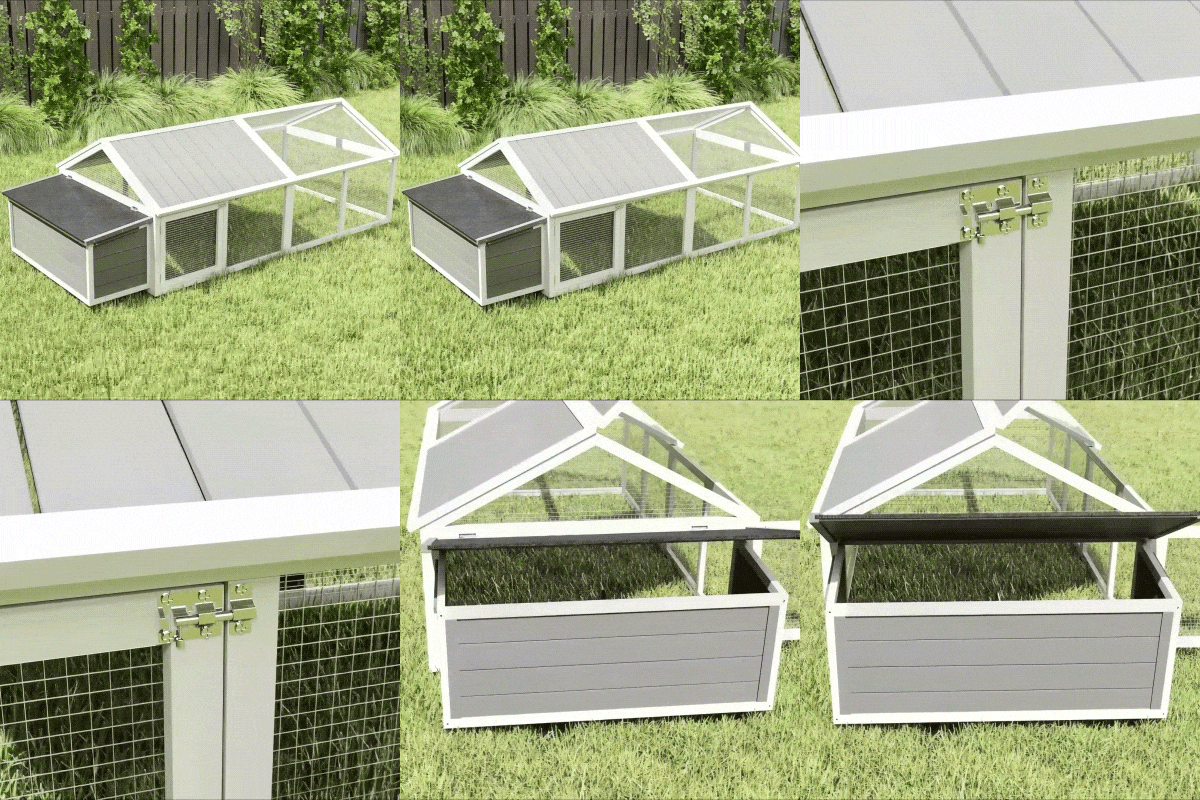
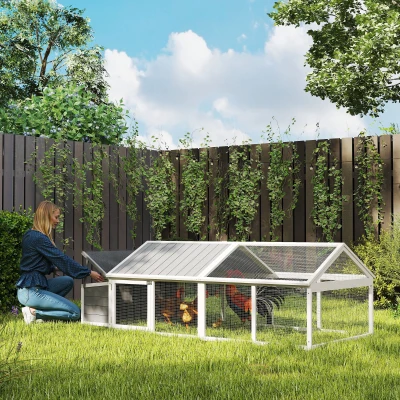
When selecting pet supplies for outdoor use or high-moisture environments, the distinction between steel treatments is critical. Galvanised Steel (20 options) is coated with a layer of zinc to prevent oxidisation, making it the industry standard for chicken coops and runs. The PawHut Walk-in Chicken Coop Galvanised 3x2x2m is rated for continuous outdoor exposure. Conversely, for indoor hygiene stations like litter boxes and feeders, Stainless Steel (18 options) is superior; it is non-porous, does not retain odours, and resists scratching from scooping. The PawHut XL Stainless Steel Litter Box demonstrates how this material simplifies deep cleaning compared to plastic alternatives. Below is a comparison of the three primary 'steel' categories available:
| Material | Corrosion Resistance | Best Application | Maintenance |
|---|---|---|---|
| Galvanised Steel | High (outdoor, rain) | Chicken coops, outdoor runs, hutches | Hose down; check for coating scratches |
| Stainless Steel | Very high (indoor, wet) | Litter trays, food bowls, feeders | Wipe clean; dishwasher safe |
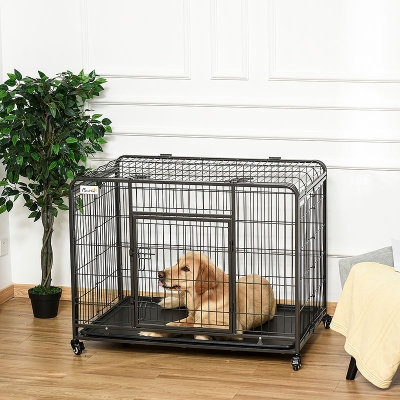
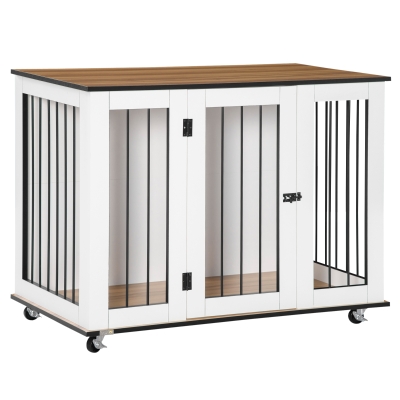
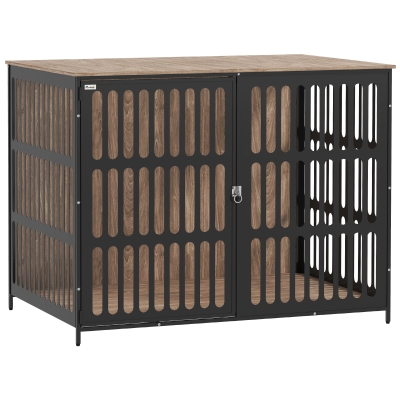
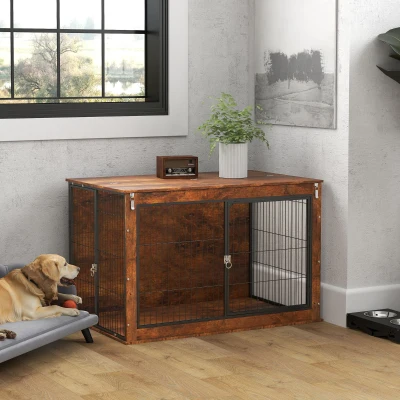
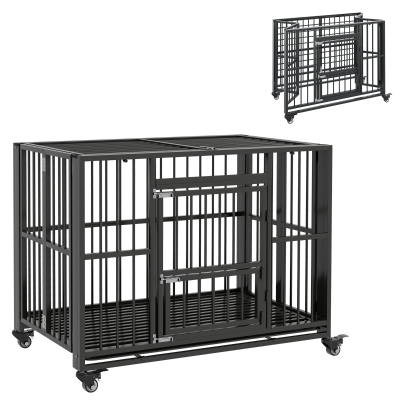
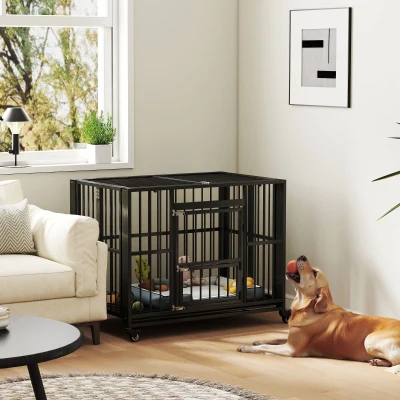
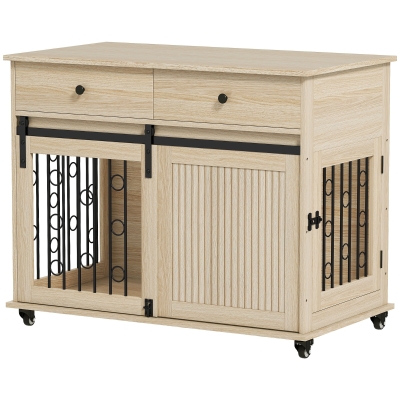
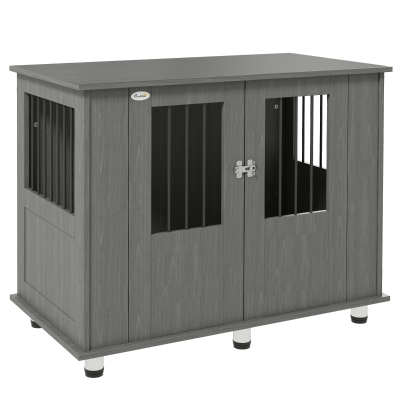
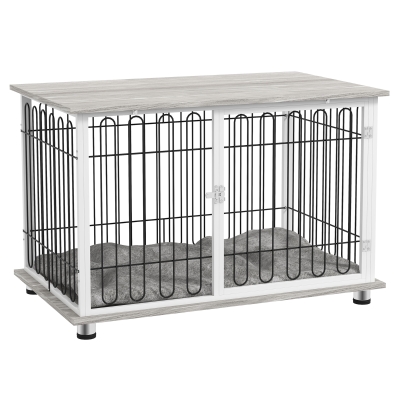
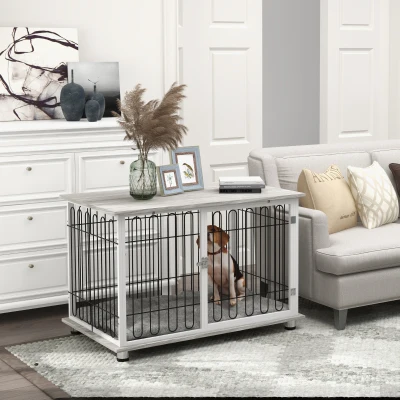
| Painted/Plain Steel | Low to Medium | Indoor dog crates, playpens | Dry immediately if exposed to moisture |
Always check the product specification for the exact grade; for truly damp British gardens, galvanised remains the most reliable choice.
Soft Materials: Sisal, Plush, and Oxford Fabric
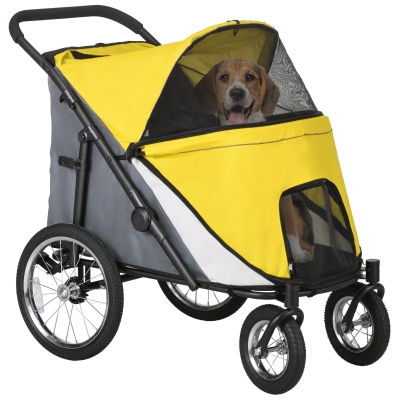
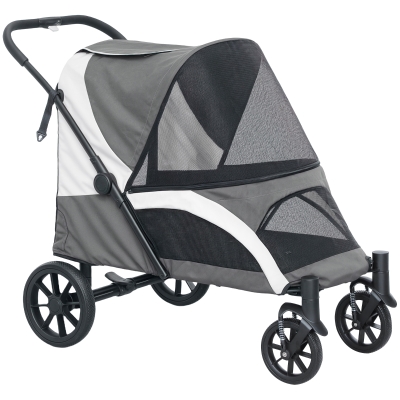
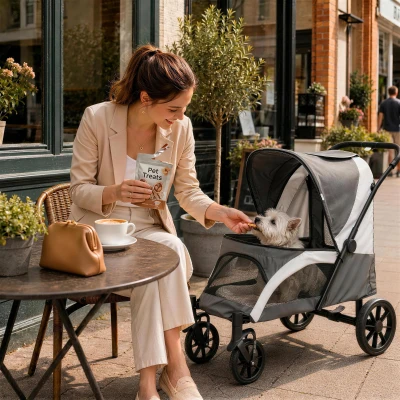
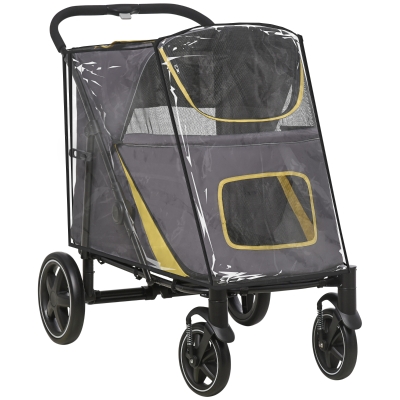
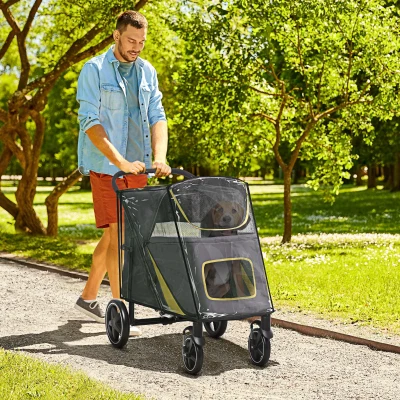
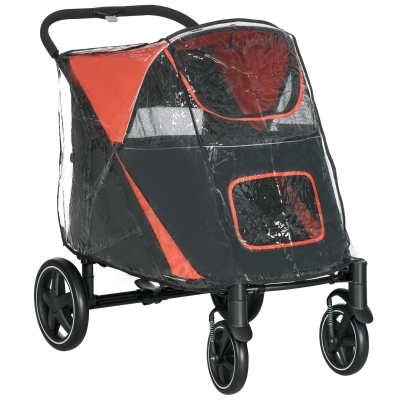
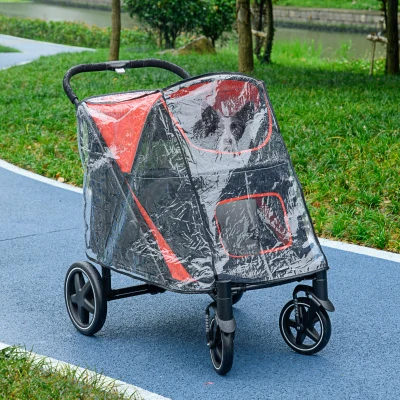
The soft components of your pet supplies endure the most direct interaction—claws, teeth, and fur. Sisal (3 models) is the gold standard for cat scratchers; its coarse fibres allow cats to shed claw sheaths without snagging. For bedding, Plush offers superior softness but requires frequent vacuuming. A more durable alternative for active dogs or travel is Oxford Fabric (22 options). This woven polyester is tear-resistant and used extensively in dog carriers and strollers, such as the PawHut Soft Pet Carrier Bag, which supports up to 10kg while remaining foldable for storage.
Specialist Habitats: Glass, Tempered Glass, and PVC
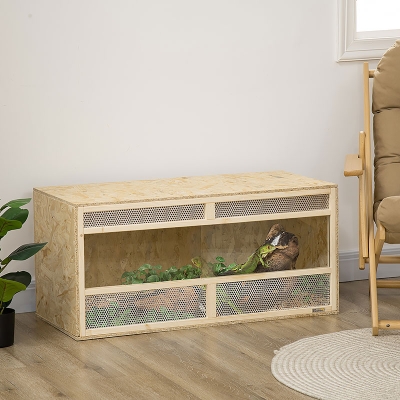
Reptiles and fish require pet supplies that prioritise insulation and visibility. Standard Glass vivariums provide excellent clarity, but for safety and heat retention, Tempered Glass (2 options) is significantly stronger and resists thermal shock. The PawHut 140L Vivarium utilises tempered glass panels, making it suitable for larger reptiles like bearded dragons. For fish tanks, silicone-sealed glass remains the standard, though PVC framed options offer lightweight alternatives for smaller species. When selecting enclosures, verify that ventilation panels are secure; wire mesh tops are preferable for snakes to prevent escape.
FAQs
1. What are common pet supplies?
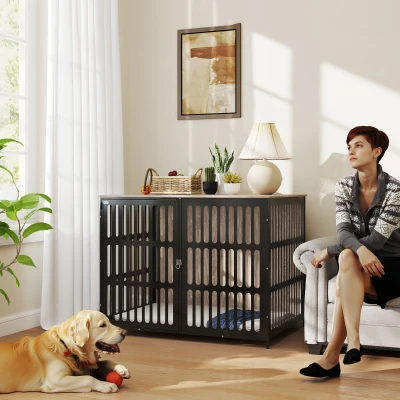
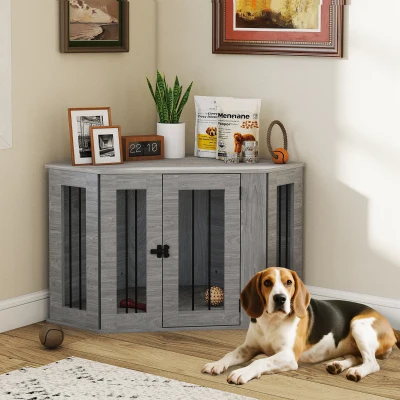
Core pet supplies are typically divided by species. For dogs, essential items include crates and playpens, beds, and mobility steps. For cats, cat trees, litter boxes (particularly Stainless Steel), and scratching posts. For small animals, Wooden hutches and runs are standard. Garden keepers typically require Galvanised Steel chicken coops and automatic feeders, while reptile owners need Tempered Glass vivariums with controlled ventilation.
2. Where is the best place to get pet supplies?
The ideal retailer offers breadth of category and transparent material specifications. Aosom UK stocks over 1,170 pet supplies exclusively under the PawHut brand, ensuring consistent quality control. Look for retailers that provide detailed dimensions, material lists (e.g., Fir Wood vs. Particle Board), and customer imagery. Free UK mainland delivery on larger items—such as coops and heavy-duty crates—is also a practical consideration.
3. What are essential supplies for a new pet?
For a new kitten or puppy: a designated sleeping area (crate or bed), a Stainless Steel litter tray or puppy pads, and species-appropriate scratching/chew toys. For a first-time rabbit owner: a Fir Wood hutch with a separate sleeping compartment and a run for exercise. For chickens: a Galvanised Steel coop with a secure, fox-proof lock and an automatic treadle feeder. Always prioritise materials that are easy to sanitise (Stainless Steel, Tempered Glass) and avoid untreated softwoods which can harbour bacteria.
0 of 5 items