Min
Shoe Storages











































Shoe Racks
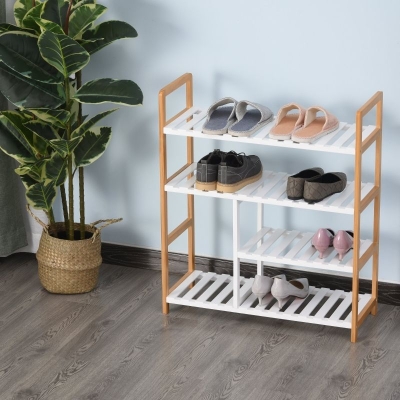
Open shoe racks provide accessible storage for trainers, everyday shoes and other footwear. Tiered designs use vertical space, while freestanding shelves allow shoes to remain visible and easy to reach. Materials available across the range include bamboo, wood and engineered wood.
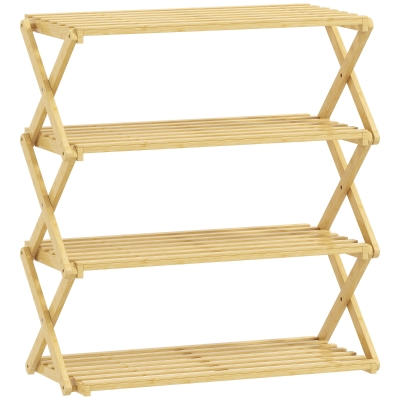
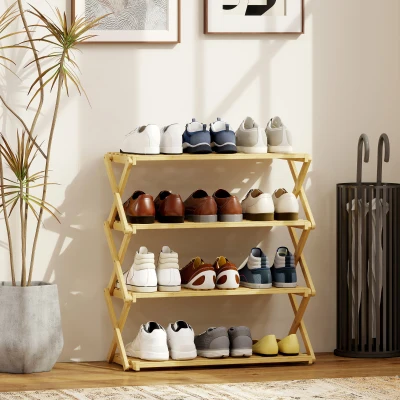
The HOMCOM three-tier bamboo shoe rack for nine pairs of shoes uses slatted shelves and a freestanding design for hallway storage. When comparing open racks, check the distance between shelves, overall width and available space for taller footwear.
Explore Shoe Racks for additional open-shelf and multi-tier storage designs.
Shoe Cabinets
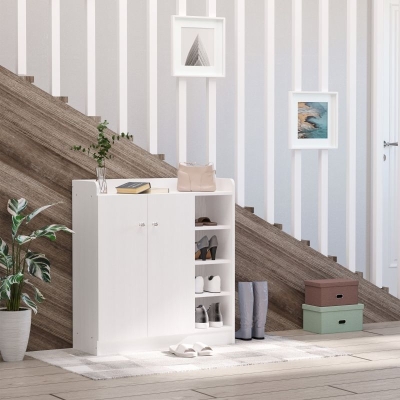
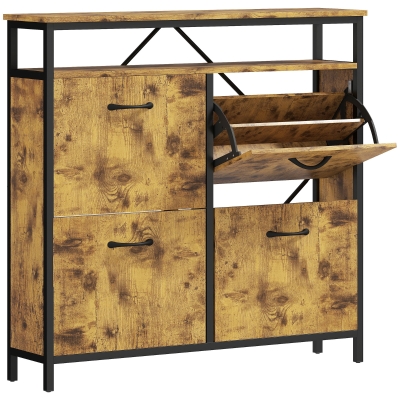
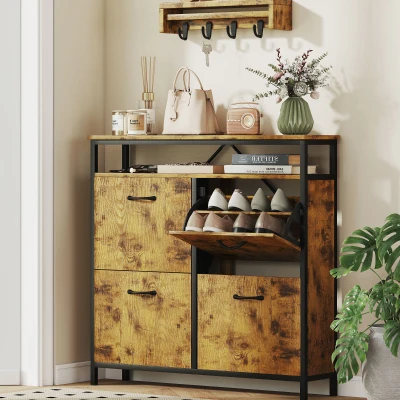
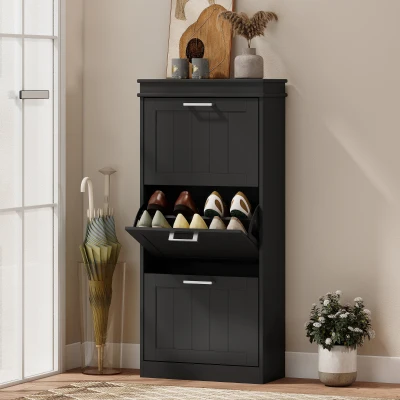
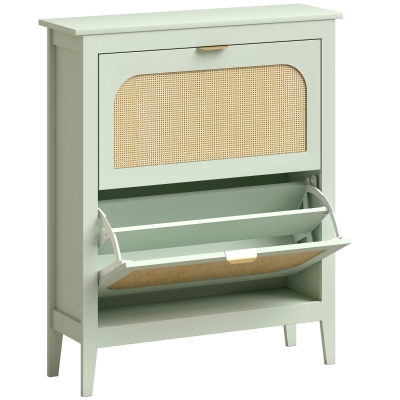
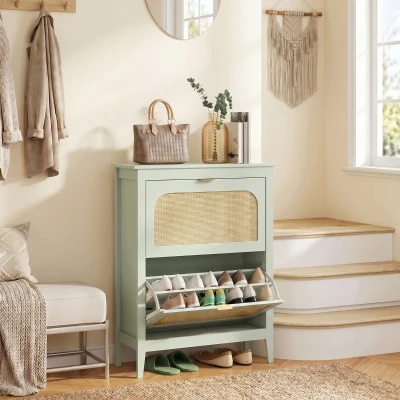
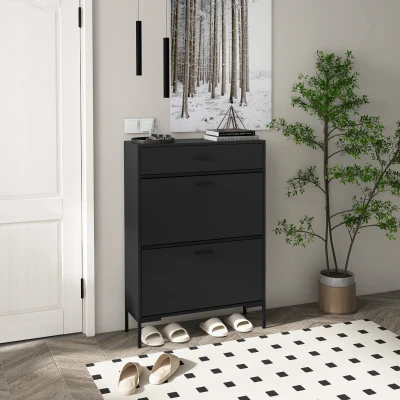
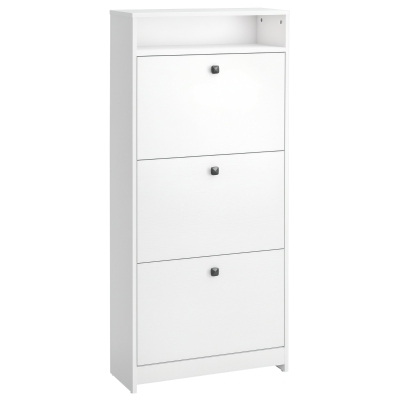
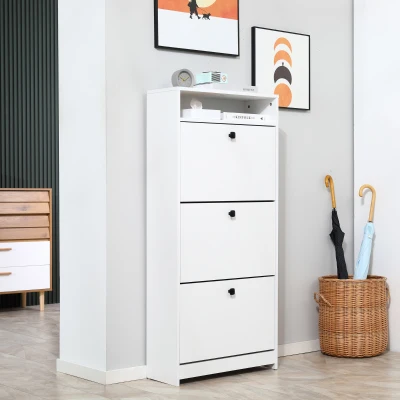
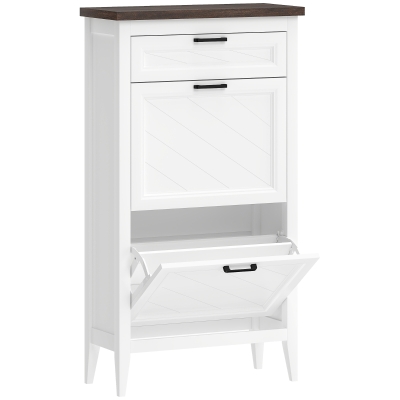
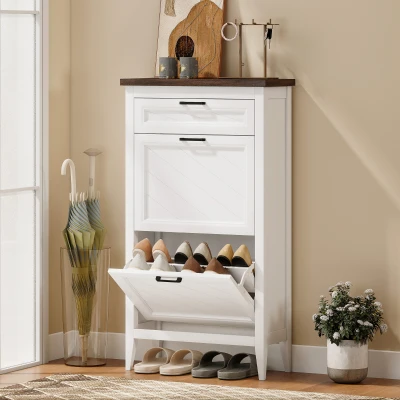
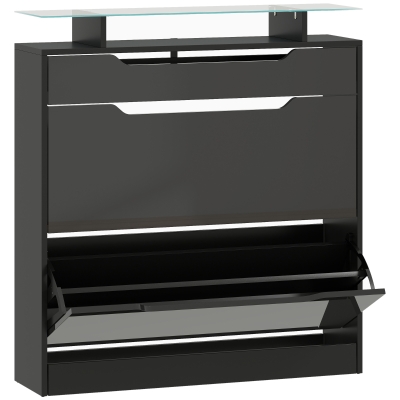
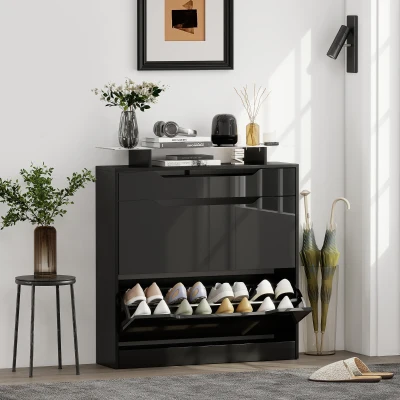
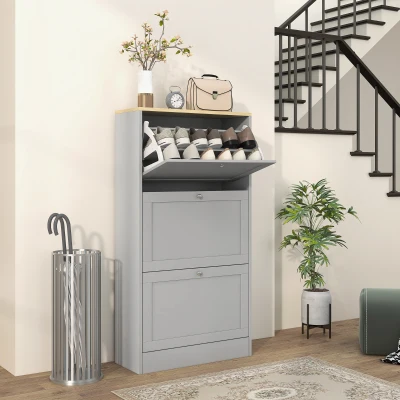
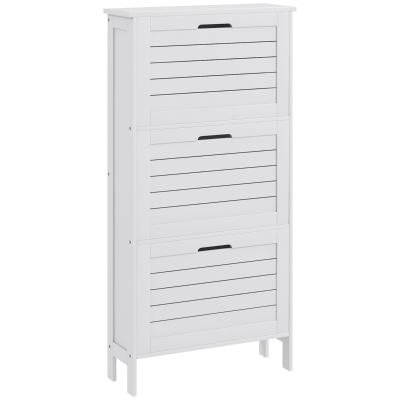
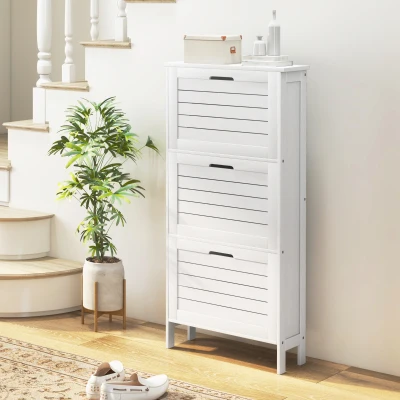
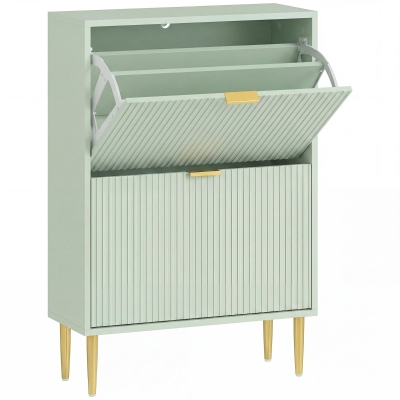
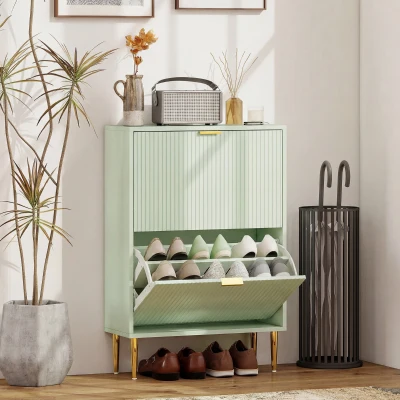
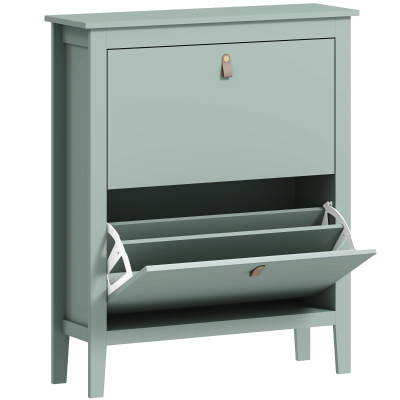
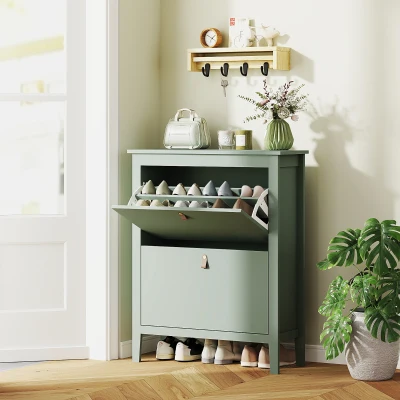
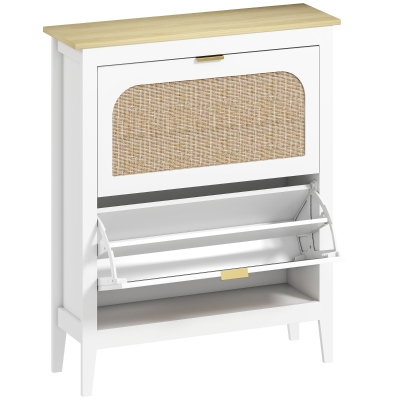
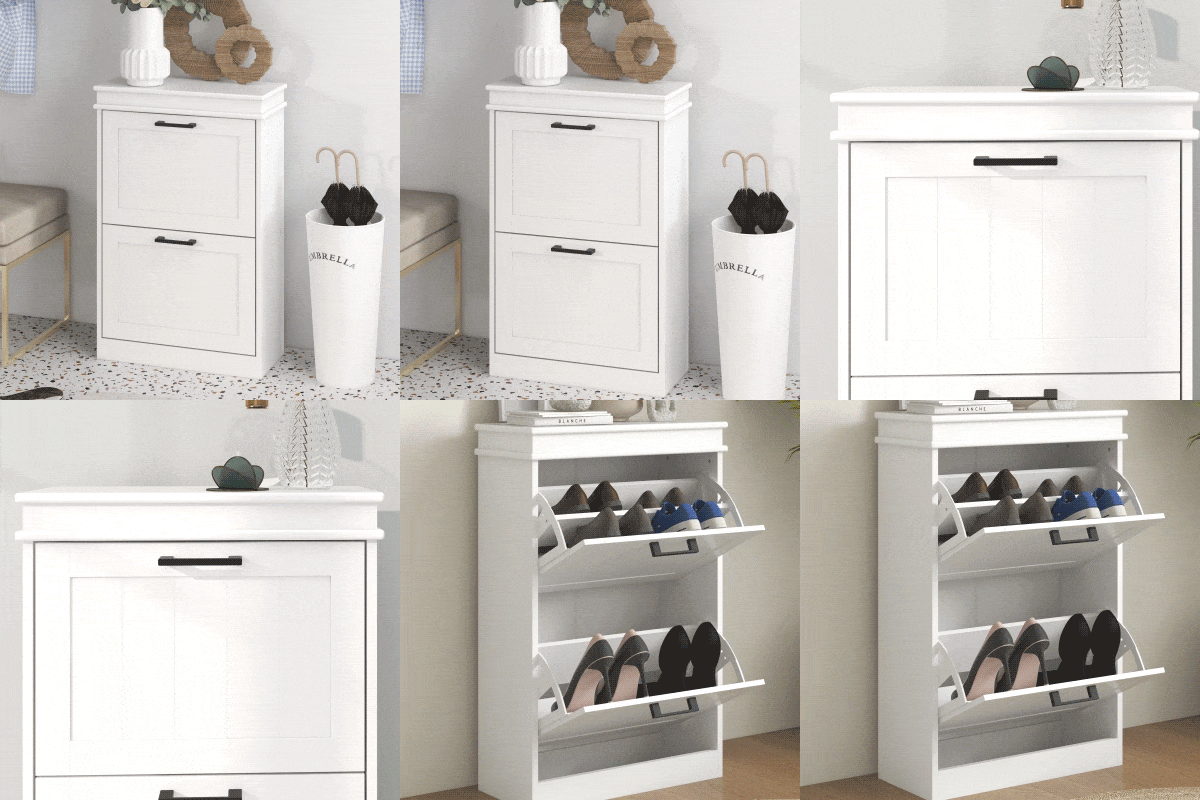
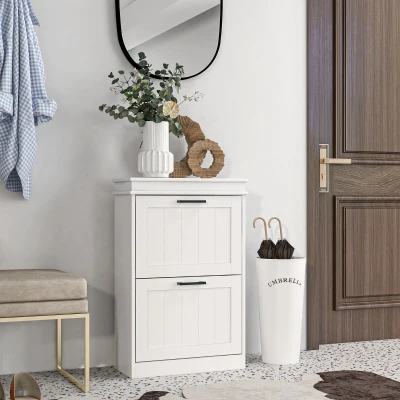
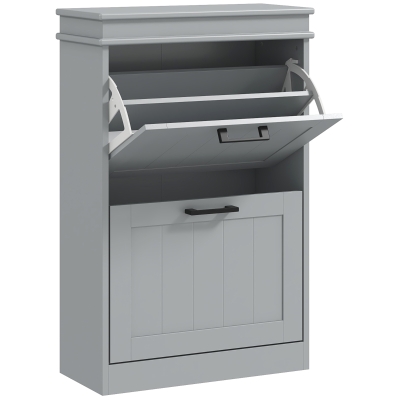
Shoe cabinets keep footwear behind doors or drawers, creating a tidier appearance in hallways, bedrooms and entrance areas. Available designs include narrow flip-drawer cabinets, cupboards with hinged doors and units with adjustable internal shelves.
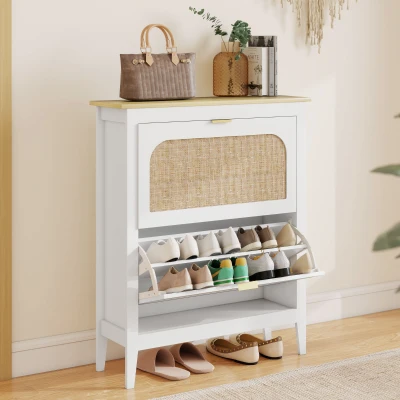
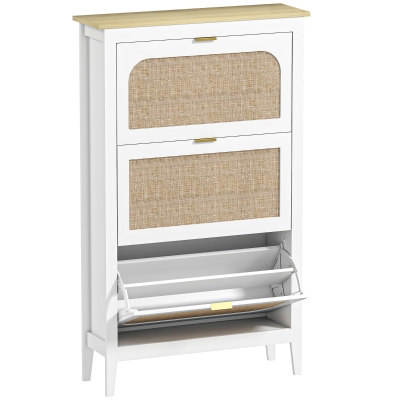
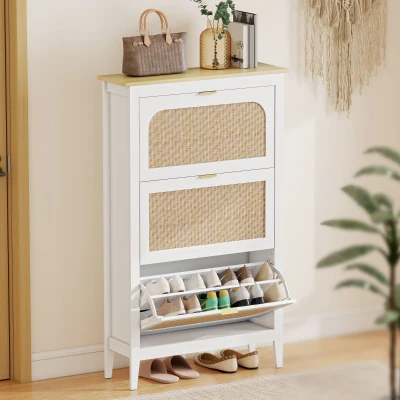
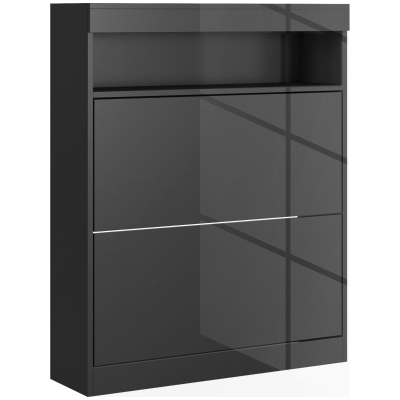
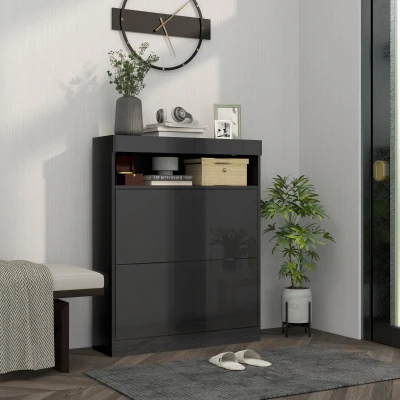
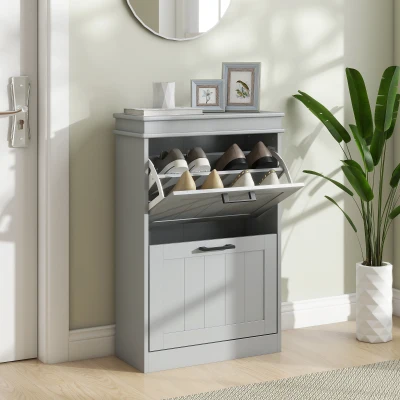
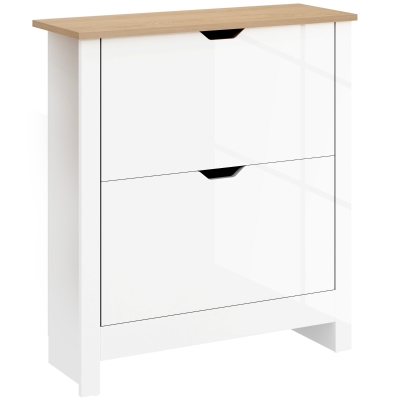
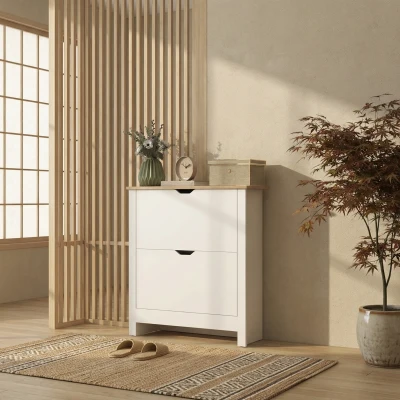
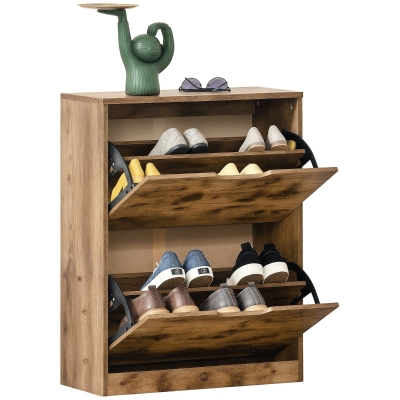
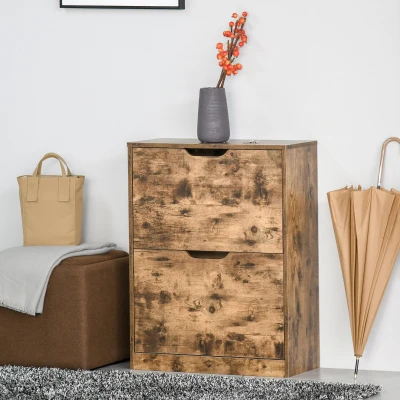
Flip-drawer shoe cabinets can be useful in smaller rooms because their compartments are arranged vertically within a relatively shallow cabinet. The HOMCOM slim shoe storage cabinet with four flip drawers is 24 cm deep and has a stated capacity of up to 16 pairs, with adjustable internal shelves.
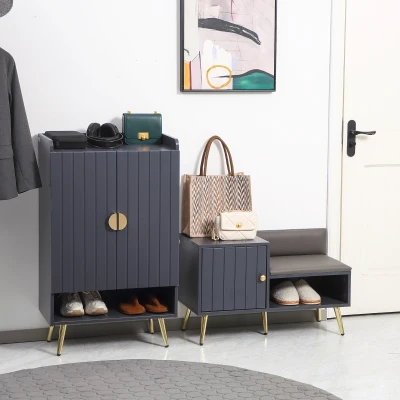
For different shoe sizes, cabinets with hinged doors and adjustable shelving may provide a more flexible layout. The HOMCOM shoe storage cabinet with adjustable shelves and ventilation openings combines enclosed storage with an open display shelf.
Explore Shoe Cabinets for flip-drawer units, traditional cupboards and other enclosed storage options.
Shoe Benches
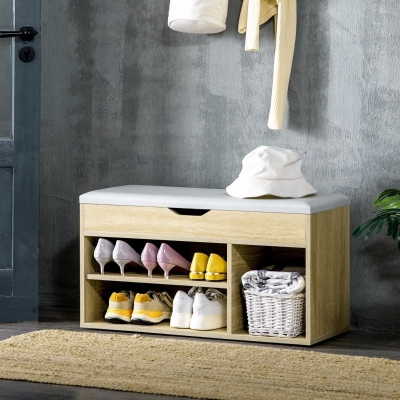
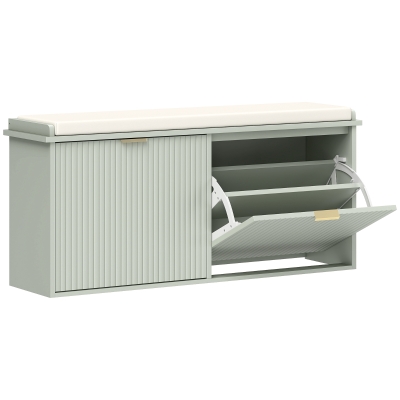
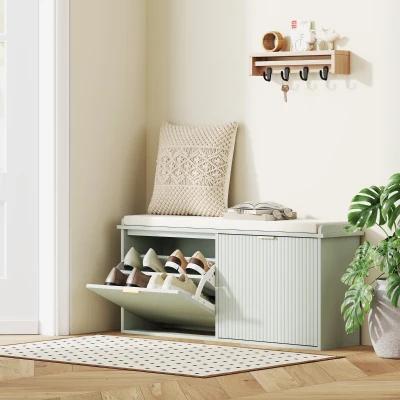
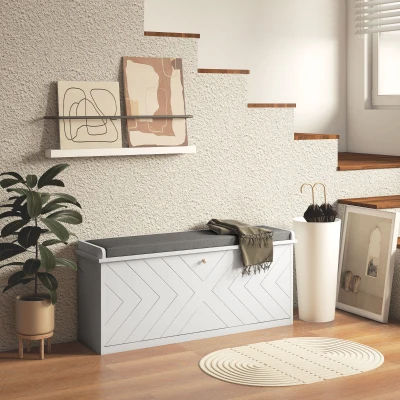
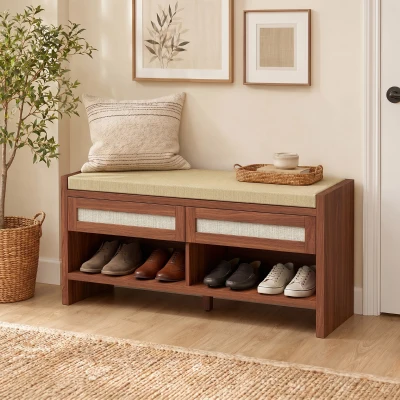
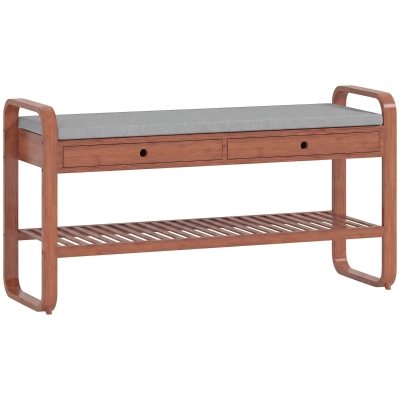
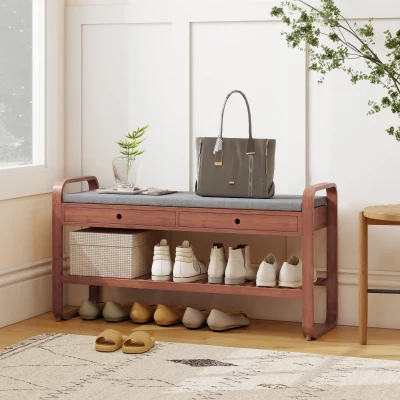
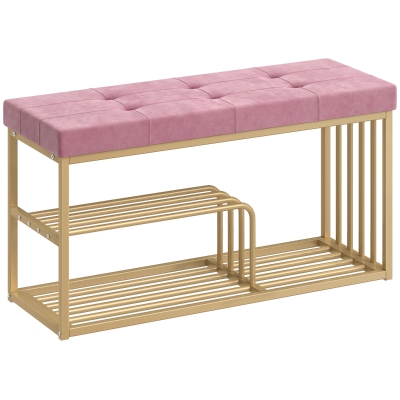
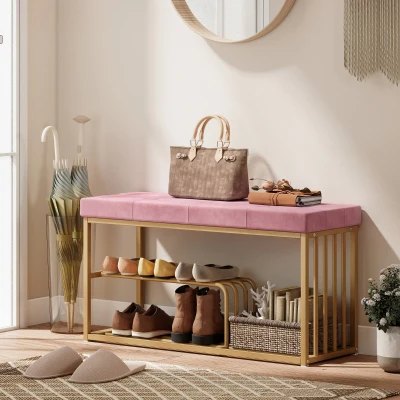
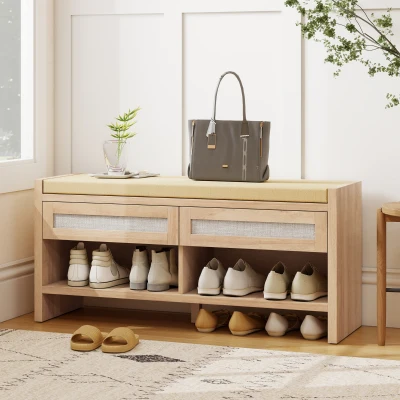
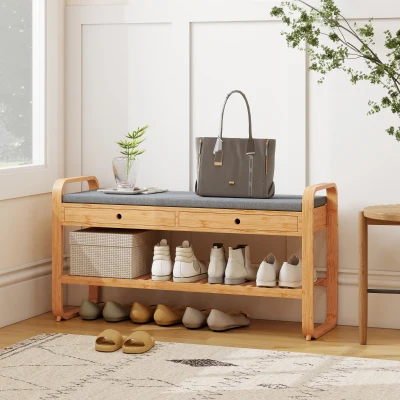
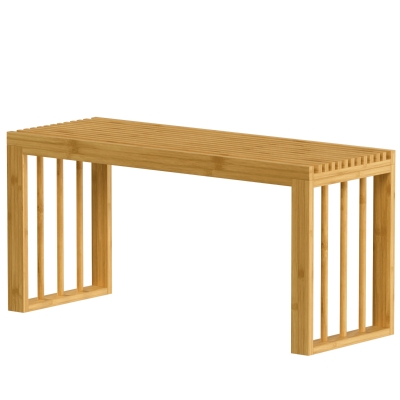
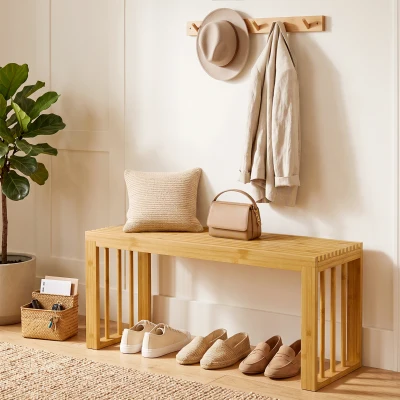
Shoe benches combine footwear storage with a seat for putting on or removing shoes. Depending on the design, storage may be provided by open shelves, enclosed cupboards or flip drawers beneath the seat. This combination can be practical in a hallway where both seating and shoe organisation are needed.
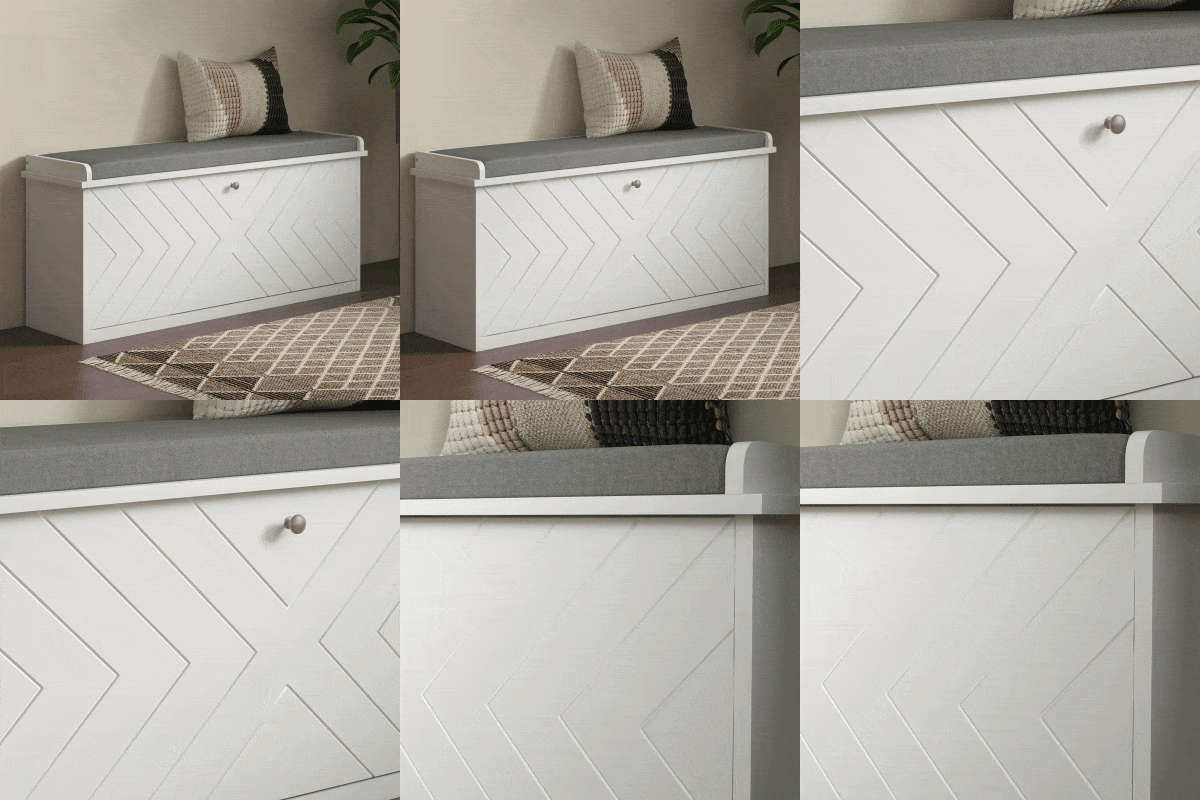
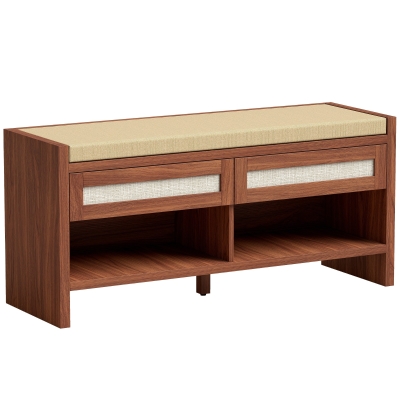
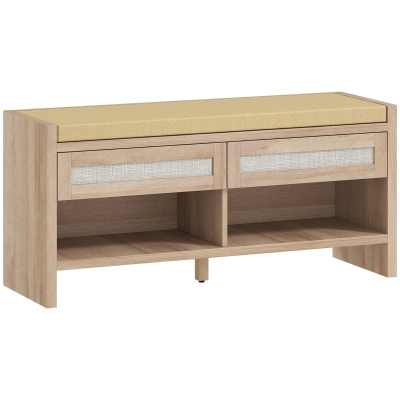
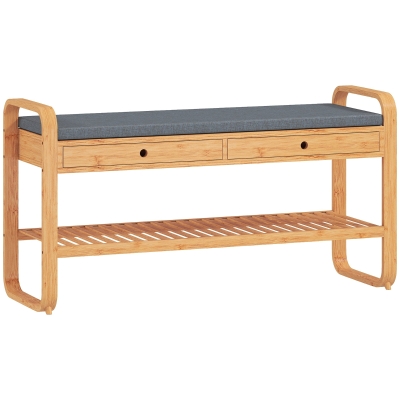
The HOMCOM padded shoe storage bench with two flip drawers features a removable cushion cover and a stated capacity of up to ten pairs of shoes. Its 26 cm depth makes it an option to compare for narrower entrance areas.
Before choosing a storage bench, check the seat height, permitted seating load and internal shoe compartment dimensions. Explore Shoe Benches for additional seating and storage combinations.
How to Choose Shoe Storage for Your Home
Small Shoe Storage for Narrow Hallways
In a narrow hallway, the depth of a shoe storage unit can be more important than its total capacity. Slim shoe cabinets help limit the amount of floor space occupied, while taller racks make use of vertical space. Measure the available wall width, floor depth and clearance needed to open nearby doors.
For flip-drawer cabinets, allow space for the drawers to open. For shoe benches, make sure there is enough room to sit comfortably without blocking the entrance or walkway.
Choosing the Right Shoe Storage Capacity
Count the shoes you need to store and consider their different shapes. Trainers, flats, boots and high heels do not occupy the same amount of space. A cabinet advertised for a specific number of pairs may hold fewer pairs when storing bulkier footwear.
- Everyday footwear: Open shoe racks provide quick access to frequently worn shoes.
- Mixed footwear collections: Cabinets with adjustable shelves offer more flexibility for different shoe heights.
- Family hallway storage: Larger cabinets and multi-tier racks may help organise shoes belonging to several household members.
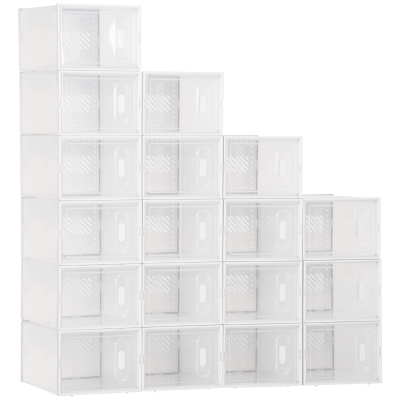
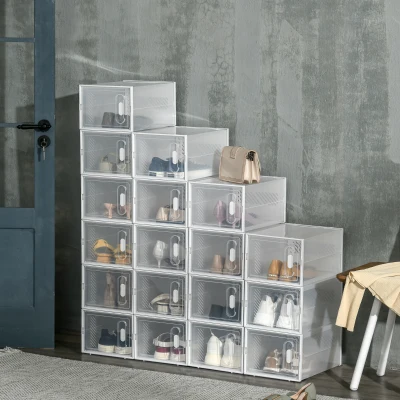
- Occasional footwear: Enclosed shoe cabinets or stackable shoe boxes can help separate shoes that are not worn regularly.
Open Shoe Racks vs Enclosed Shoe Cabinets
Open shoe racks allow air to circulate around stored footwear and make each pair easy to identify. However, they leave shoes exposed to dust and visible within the room.
Enclosed shoe cabinets hide stored footwear and help maintain a more uniform appearance. Ventilation openings can support airflow, although damp shoes should still be allowed to dry before being put away. Choose according to your preference for accessibility, appearance and maintenance.
Materials and Everyday Maintenance
Shoe storage furniture is available in bamboo, engineered wood, MDF, particle board and other materials. Bamboo racks often feature open slatted shelves, while engineered wood cabinets provide enclosed compartments and different decorative finishes.
Follow the product's cleaning instructions and avoid allowing water from wet footwear to collect on moisture-sensitive surfaces. For tall or narrow cabinets, use the supplied anti-tipping fittings where required by the manufacturer.
Frequently Asked Questions About Shoe Storage
What type of shoe storage is best for a small hallway?
A narrow shoe cabinet or compact shoe rack may be suitable for a small hallway. Flip-drawer cabinets can offer enclosed storage with a shallow footprint, while vertical racks provide open storage across several levels. Compare the unit's depth and door clearance with your available space.
Are shoe racks better than shoe cabinets?
Neither is universally better. Shoe racks make footwear visible and easily accessible, while shoe cabinets conceal shoes behind doors or drawers. The best option depends on the room layout, shoe collection and preferred appearance.
Can shoe cabinets hold boots and high-top trainers?
Some cabinets can accommodate taller footwear, especially designs with adjustable or removable shelves. Flip-drawer cabinets may have more restrictive compartment dimensions. Check the internal measurements and maximum supported shoe size before buying.
How many pairs of shoes can a storage cabinet hold?
Capacity varies by model. Some compact units accommodate fewer than ten pairs, while larger cabinets are designed for 15, 16 or more pairs. Actual capacity depends on shoe size and shape, so the manufacturer's stated capacity should be checked alongside the internal dimensions.
Do shoe cabinets need to be fixed to the wall?
Some freestanding shoe cabinets include anti-tipping straps or other wall-fixing hardware. Always follow the manufacturer's installation instructions, particularly for tall, narrow units or furniture used in homes with children.
What is the difference between a shoe bench and a shoe rack?
A shoe bench includes a seating surface, allowing users to sit while changing footwear. A shoe rack is primarily designed for storage and should not be used as a seat unless the manufacturer specifically states that it supports seating.
How should shoes be stored to reduce moisture and odours?
Allow wet or damp shoes to dry thoroughly before placing them in enclosed storage. Keep storage areas clean and avoid overcrowding compartments. Where ventilation is limited, consider open racks or cabinets with suitable ventilation features.
Showing
151-180
of
240
Results
Popular searches
space saving shoe storage
12 pair shoe storage
entryway shoe storage with drawers
modern hallway shoe storage
home shoe storage
white entryway shoe storage
white hallway shoe storage
white shoe bench with storage
white wooden shoe storage
entryway shoe storage
shoe storage with cushion
shoe rack and storage
0 of 5 items