ROOM TO PERCH & EXPLORE
Discover thoughtfully designed spaces for your feathered companions.
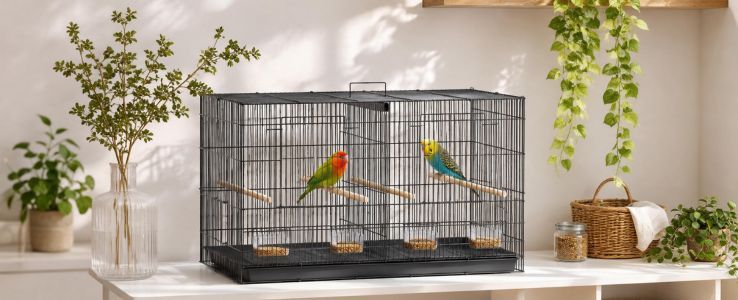
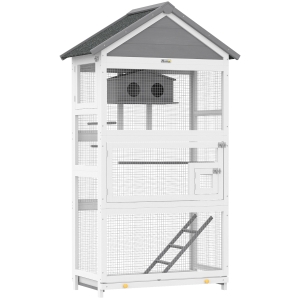
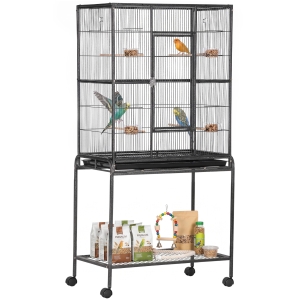
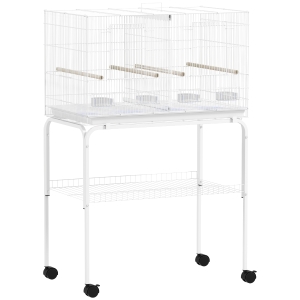
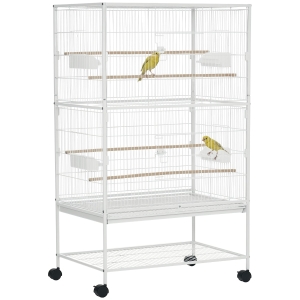
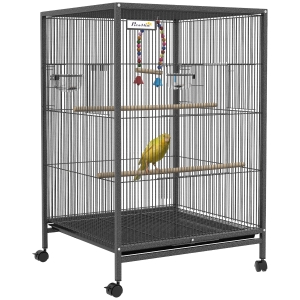
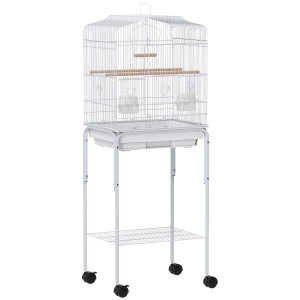
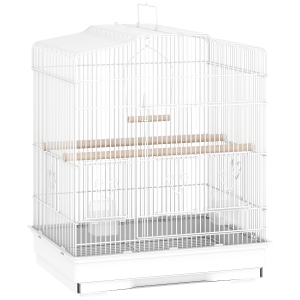
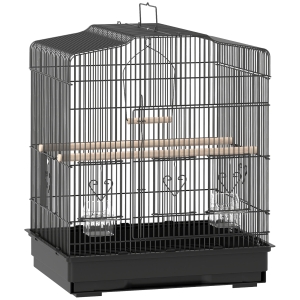
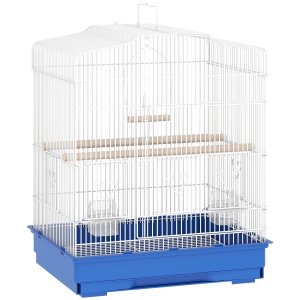
ROOM TO PERCH & PLAYA wide layout with multiple perches and feeding points to organise your bird's everyday space.
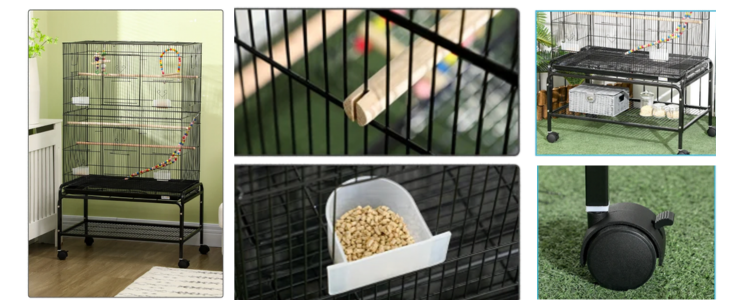
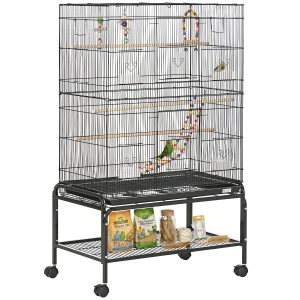
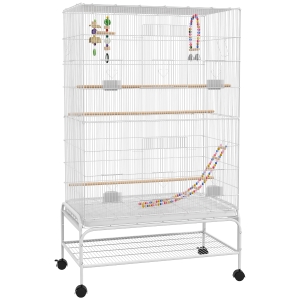
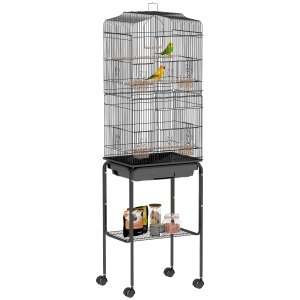
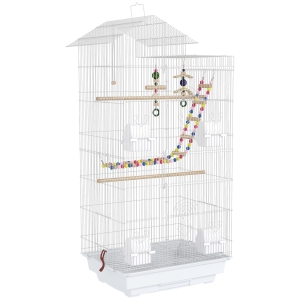
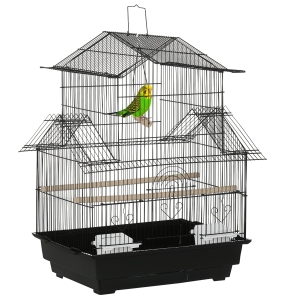
SPACE TO CLIMB & EXPLOREA taller layout with perches, toys and a storage shelf to keep everyday bird-care essentials close at hand.
DISCOVER MORE
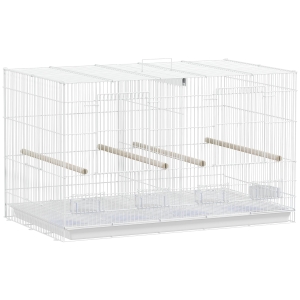
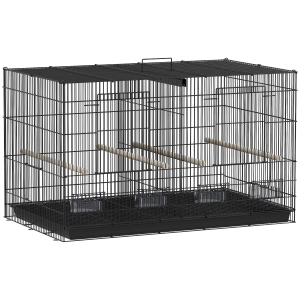
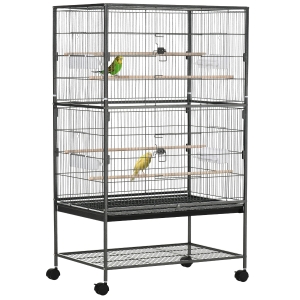
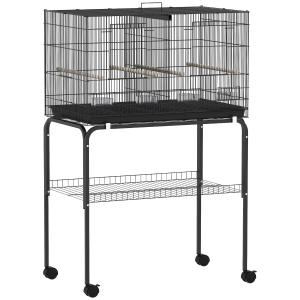


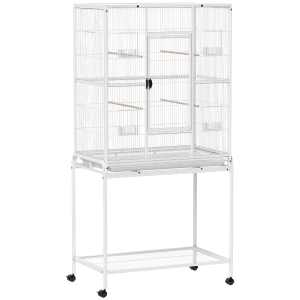
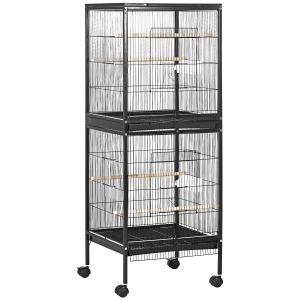




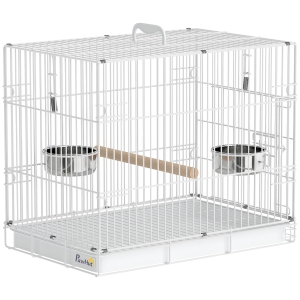

ROOM TO ROAM & EXPLORE
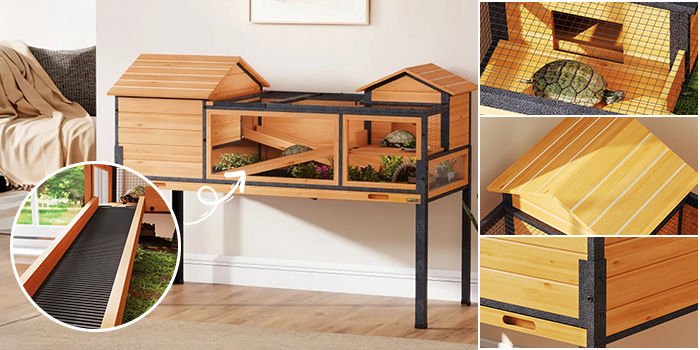
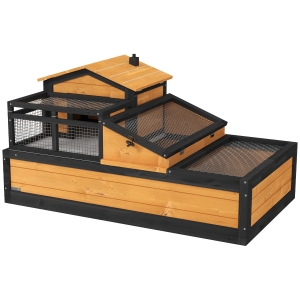
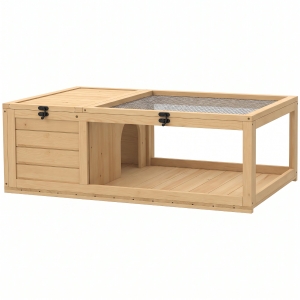
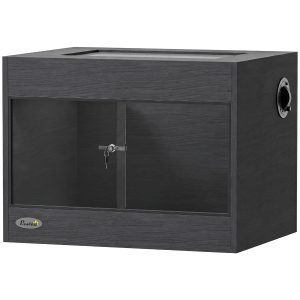
A NATURAL WOODEN LOOK
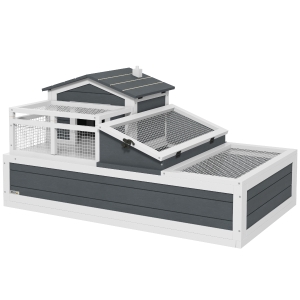
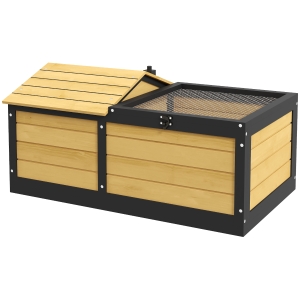
A distinctive twin-roof design with a raised base and a considered layout for everyday tortoise care.
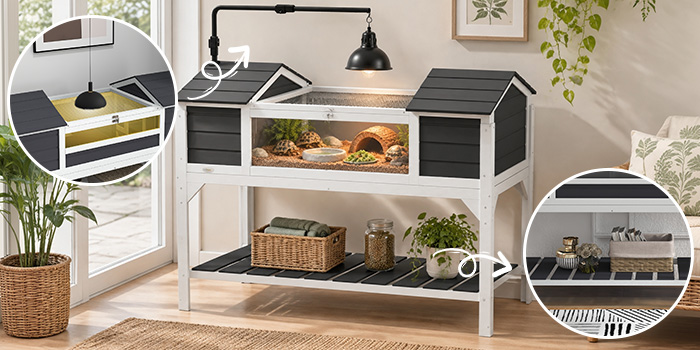
A PLACE FOR CARE & STORAGE
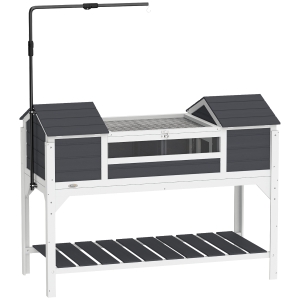
A coordinated enclosure and stand, with a lower shelf for keeping everyday care essentials close by.
DISCOVER MORE
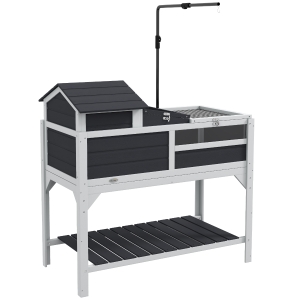






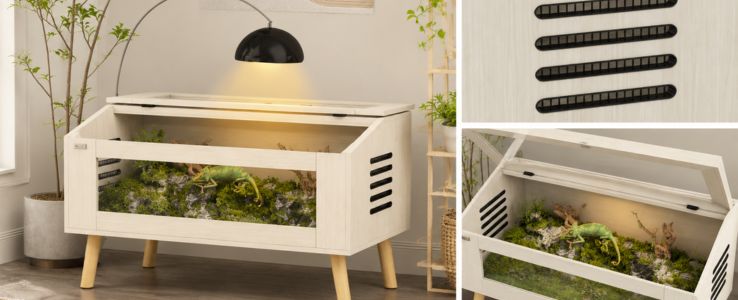
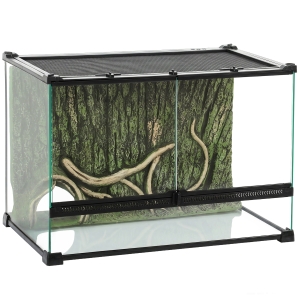
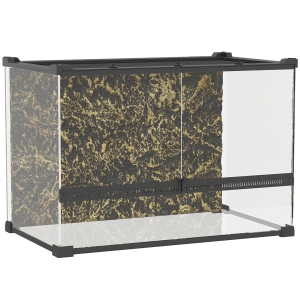
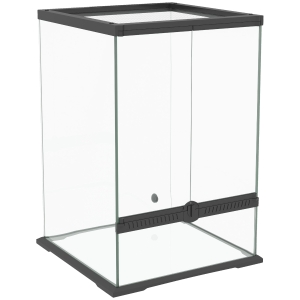
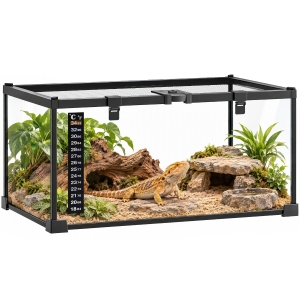
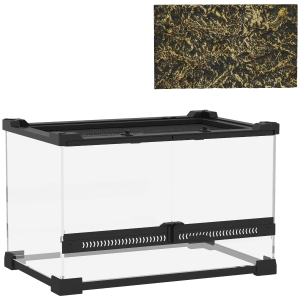
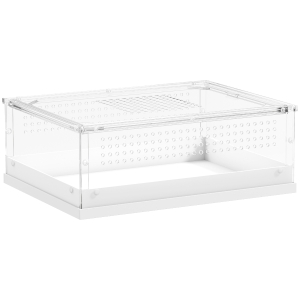
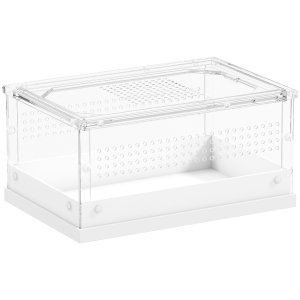
A COMFORTABLE HOME FOR REPTILES
Thoughtfully designed enclosures for a comfortable and well-ventilated habitat.
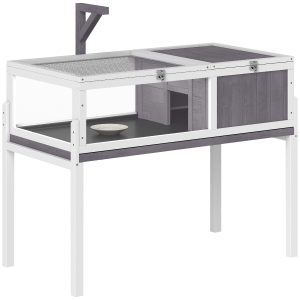
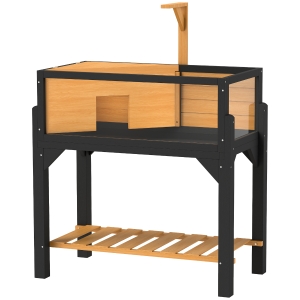
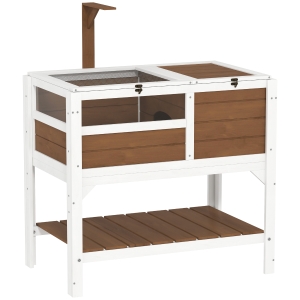
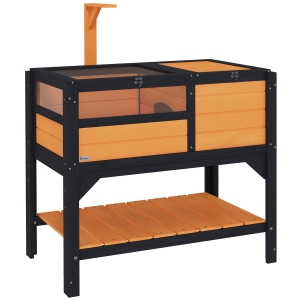
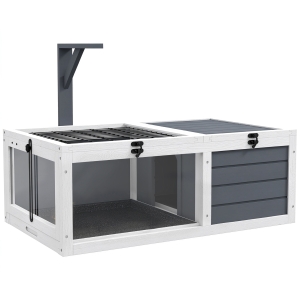
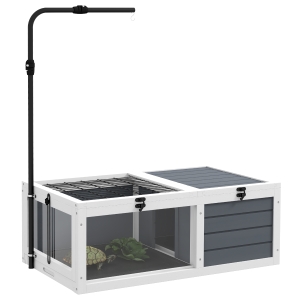
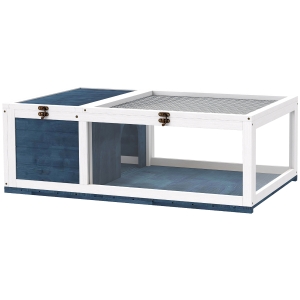
A NATURAL SPACE TO EXPLOREA distinctive twin-roof design with a natural wooden finish, creating a dedicated space for your tortoise to explore and rest.
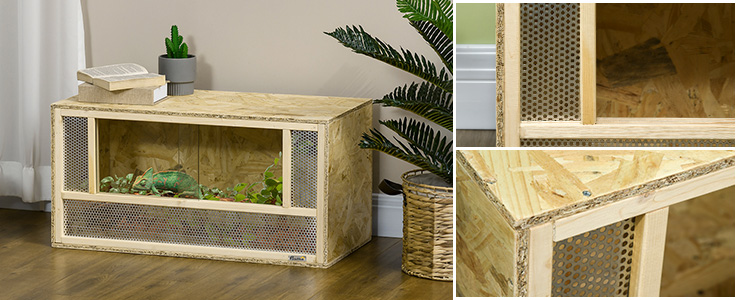
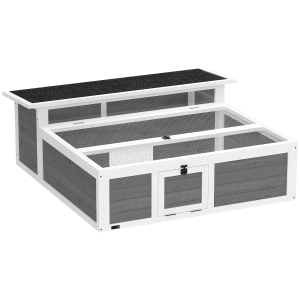
A WELL-VENTILATED REPTILE HOMEEnjoy easy viewing through tempered-glass sliding doors, with ventilated mesh panels and insulating OSB walls to help create a comfortable habitat.
DISCOVER MORE

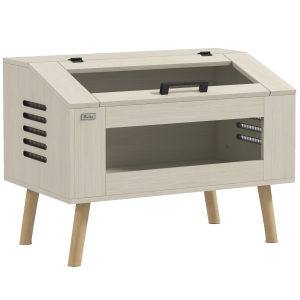





HABITAT INSPIRATION
REAL-LIFE ANIMAL HOMES


SMALL ANIMALS HABITAT FAQs
Find answers to common questions about choosing and caring for your pet's habitat.
1. How do I choose the right habitat for my pet?
Start by identifying your pet's species, adult size and specific care needs. Compare the habitat's internal dimensions, layout, ventilation and access points to ensure it provides suitable space for everyday activities.
2. What size habitat does my pet need?
The right size depends on the species, adult size, activity levels and number of animals. Check the usable internal space rather than external dimensions alone, and make sure your pet has enough room to move naturally and access the areas it needs.
3. What should I put inside my pet's habitat?
This depends on the animal. Birds may need suitable perches, feeding bowls and enrichment toys; tortoises may need appropriate substrate, hides and water dishes; other reptiles may require species-specific hides, climbing features and environmental equipment.
4. How do I create a comfortable environment for my pet?
Consider temperature, lighting, ventilation, humidity and enrichment according to your pet's species. Different animals have different requirements, so research the correct setup before adding accessories or introducing your pet to a new habitat.
5. Can I keep my pet's habitat indoors?
Many bird cages and reptile habitats are designed for indoor use, but suitability depends on the product and the animal. Consider the available space, room conditions, ventilation, access to natural daylight and any additional heating or lighting requirements.
6. How often should I clean my pet's habitat?
Remove waste and soiled bedding promptly, clean food and water containers regularly, and carry out a thorough clean as needed. The cleaning routine will vary depending on the species, habitat design and materials used.
7. How can I make my pet's habitat more interesting?
Provide suitable enrichment based on your pet's natural behaviours. Birds may benefit from appropriate toys and varied perches, tortoises from suitable opportunities to explore, and other reptiles from species-appropriate hides, climbing structures and environmental features.
8. Can different pets share the same habitat?
Do not assume that different species can safely share an enclosure. Many animals need separate spaces, and even animals of the same species may have different housing requirements. Check species-specific welfare guidance before housing animals together.
9. How do I maintain the right temperature and lighting?
Requirements vary considerably between birds, tortoises and other reptiles. Some reptiles need carefully controlled heat and UVB lighting, while other species have different requirements. Use suitable equipment, monitor conditions and follow reliable, species-specific care guidance.
10. How do I know when it's time to upgrade my pet's habitat?
Consider an upgrade if your pet is growing, needs more usable space, or requires a different layout or additional environmental features. Check the habitat's specifications against your pet's current and expected adult needs before choosing a replacement.
Choosing the right habitat starts with understanding your pet's needs. Birds need safe space to move and perch, tortoises need room to explore and bask, and reptiles require an environment suited to their temperature, humidity and lighting needs. Compare the different enclosure designs below, then check the internal space and features against your pet's species and adult size.
Bird Cages: Space to Perch, Move and Explore
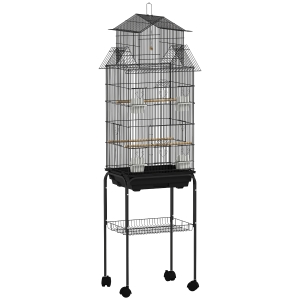
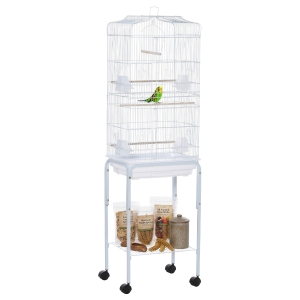
When choosing Bird Cages, look beyond the overall height. Suitable horizontal space, secure bar spacing and room for perches, feeding dishes and enrichment are important considerations. The layout should allow birds to move comfortably without being overcrowded by accessories.
Practical features can also make daily care easier. For example, the PawHut bird cage with a removable divider and slide-out tray offers a flexible internal layout, accessible feeding points and easier cleaning. Always check the cage dimensions and bar spacing against your bird's requirements, and provide suitable opportunities for exercise outside the cage.
Tortoise Houses: Room to Roam and Rest
A suitable tortoise habitat should provide usable floor space for movement, areas for resting and hiding, and enough room for the correct substrate and basking setup. Explore our Tortoise Houses to compare different wooden enclosure layouts, access points and cleaning features.
The PawHut wooden tortoise house with a raised stand and observation windows features connected living areas, ramps and an opening top for access. Before choosing an enclosure, check that its dimensions and design can accommodate the appropriate heating, UVB lighting and environmental conditions for your tortoise species.
Reptile Vivariums: Ventilation, Visibility and Climate Control
Reptile habitats need to support the environmental conditions of the species being kept. When comparing Vivariums, consider ventilation, secure access, available internal space and compatibility with the required heating and lighting equipment. The right arrangement will depend on whether your reptile needs more floor space, climbing opportunities or specific humidity levels.
The PawHut reptile vivarium with sliding glass doors and mesh ventilation combines viewing access with ventilated panels and wooden walls. Check the product specifications carefully and plan the necessary equipment and furnishings before introducing your pet.
What to Check Before Choosing a Pet Habitat
What to Check Before Choosing a Pet Habitat
Whether you are comparing bird cages, tortoise houses or reptile enclosures, use these practical checks to narrow down your options:
- Usable space: Check internal dimensions, not just the external measurements, and allow room for your pet's natural movements and essential accessories.
- Safety and security: Consider door fastenings, bar spacing, enclosure materials and potential escape points.
- Ventilation and environment: Make sure the enclosure can support the airflow, temperature, lighting and humidity required by your pet's species.
- Access and cleaning: Look for practical features such as removable trays, opening lids and accessible doors that make routine maintenance easier.
- Daily enrichment: Plan suitable perches, hides, climbing features or exploration areas according to your pet's natural behaviour.
Use the habitat designs featured above to compare different styles and practical features. Before purchasing, review the individual product specifications, check which accessories are included and follow reliable species-specific welfare guidance. A well-chosen enclosure should be suitable for your pet's needs and manageable to maintain as those needs change.